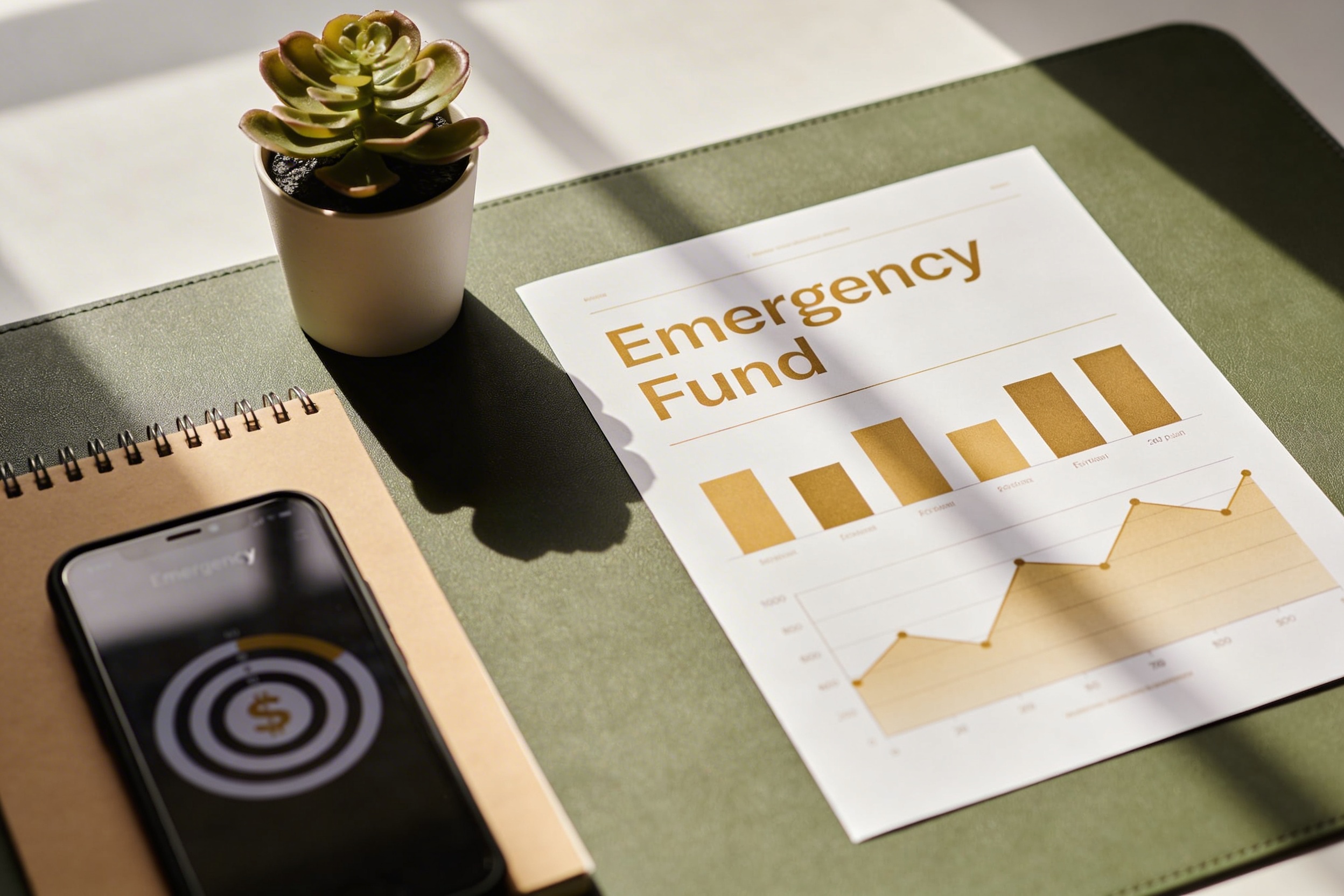
Money Habits to Build an Emergency Fund: Quick Start Guide
I’m not here to sugarcoat it: an emergency fund is your financial grown-up shield. When life trips you up—car repairs, sudden medical bills, or a job layoff—you don’t want to panic. You want options, little wins, and a plan you actually stick to. Let’s build that fund without turning budgeting into a full-time job.
Why an emergency fund matters more than the newest gadget
Sure, you could rely on credit cards or friends and family, but those come with a wait times two: interest and awkward conversations. An emergency fund is your own personal safety net that won’t demand interest payments or late-night guilt trips. It’s money you can access quickly, without selling a kidney or negotiating interest rates with a genie.
– It buys you time to think, not panic.
– It reduces stress during upheavals.
– It keeps you from making gut-wrenching debt decisions.
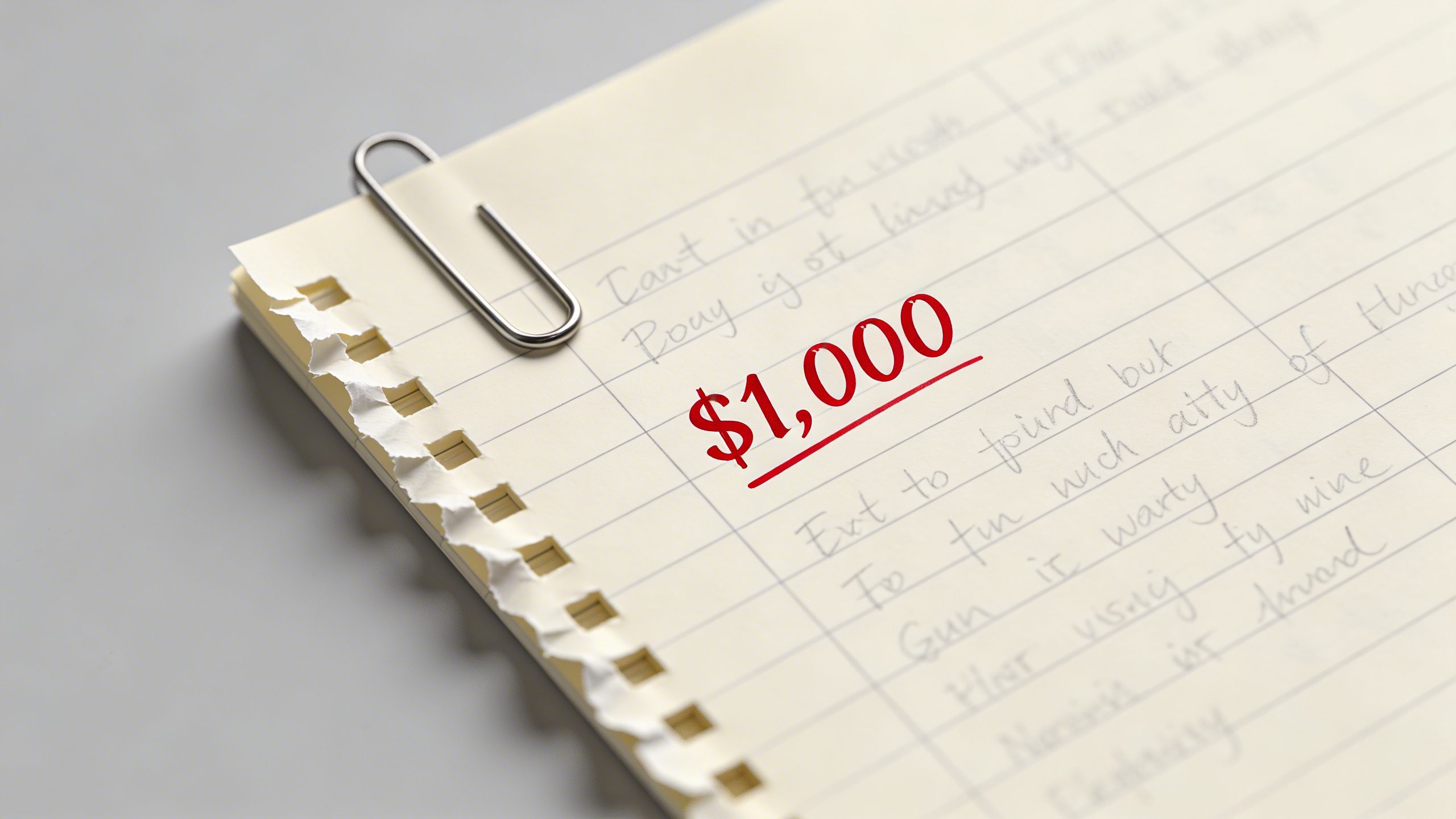
If you’re thinking, “So how much do I actually need?” start with a baseline: aim for 1,000 dollars as a starter, then grow toward a full three to six months of essential living expenses. FYI, three to six months isn’t a magical number; it’s a cushion that varies with job security, health, and responsibilities.
Start with a realistic target you can actually hit
The hardest part isn’t the concept; it’s getting started. Set a target that feels doable, then scale up as you go. Here’s a simple way to do it:
– Pick a monthly savings amount you won’t hate (even 25 bucks counts).
– Create a separate goal in your bank app labeled “Emergency Fund.”
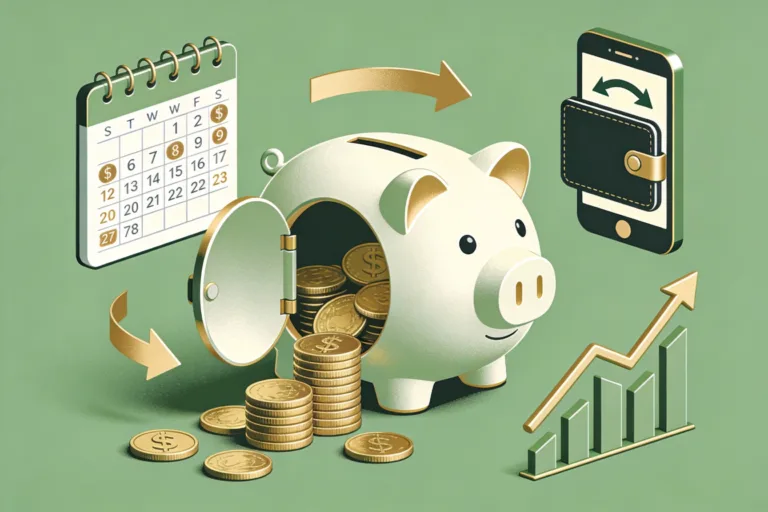
– Automate a transfer the moment your paycheck hits.
Automation is your best friend here. If you don’t see the money, you won’t miss it. It’s the financial equivalent of wearing sweatpants: comfortable and effective.
Signals that you’re on the right path
– You reach your target in smaller, steady chunks rather than exorbitant bursts.
– You stop dipping into the fund for non-emergencies (hello, fewer impulse purchases).
– Your emergency fund balance sits in a high-yield savings or a money market account where it actually earns something.
What to stash and where to stash it
Money in a jar labeled “Emergency” is nice in theory, but your jar should also earn a little interest. The key is liquidity—easy to access, not buried in a complex investment.
– High-yield savings accounts: Easy to access, modest interest.
– Money market accounts: Slightly higher yields, still liquid.
– Short-term CDs (laddering helps): If you don’t touch them, you get a bump in return.
– Avoid risky investments: this isn’t the place to gamble.
Remember: the goal is to access money quickly, not to chase the best return in a bear market. IMO, “safe and reachable” beats “highly volatile and far away.”
Smart habits that keep the fund growing

Building an emergency fund is less about one big windfall and more about steady habits you barely notice.
– Automate, then forget: A monthly transfer on payday keeps a steady pace.
– Treat windfalls as extra credit: tax refunds, bonuses, or gifts go straight to the fund after a celebration period.
– Reevaluate monthly expenses: can you cut one small thing every month and funnel that toward the fund?
– Use a “wipe-the-slate” week: skip one non-essential monthly expense and move the savings.
What counts as an “emergency”?
An emergency is something sudden and essential: a surprise car repair, medical bill, or losing income. It’s not a vacation, a new gadget, or a fancy dinner you planned last week. If you’re unsure, pause and ask: would this expense derail my ability to cover rent or groceries? If yes, it qualifies.
Chunking the plan: a 6-step blueprint
Here’s a practical, no-nonsense plan you can start this month.
- Define your target: 1,000 dollars to start, then 3–6 months of essentials.
- Open a dedicated account: label it “Emergency Fund” and keep it separate from your everyday spending.
- Automate a monthly transfer: set it to pull on payday.
- Find tiny cuts: cancel one app, brew coffee at home, or skip a lunch out once a week.
- Add windfalls as they come: tax refunds, raises, or gift money go here first.
- Review quarterly: adjust contributions as you move toward your goal.
When life throws a curveball: rebalancing your fund
Life isn’t static, so your fund shouldn’t be either. If you hit a big setback and your fund dips, respond with a plan, not panic.
– Refill strategy: decide on a time frame to reclaim the lost ground (e.g., two months).
– Increase the automatic transfer temporarily: boost the monthly amount until you’re back on track.
– Reassess needs: maybe you can stretch to three months of essential expenses instead of six during a rough patch.
Subtle reminder: your fund should be a stress shield, not a performance chase
A fund’s success isn’t about beating inflation; it’s about accessibility and peace of mind.
FAQ
Is $1,000 enough to start?
Yes. It’s a real starter fund that gives you a cushion while you build toward a larger goal. Don’t wait for perfect timing—start with what you can save this month, then scale up.
How do I avoid touching the emergency fund for non-emergencies?
Keep it in a separate account with its own card, or use a different bank. The mental hurdle helps: you’ll think twice before spending money that isn’t in your everyday account.
What if I lose my job and can’t save right now?
First, acknowledge the setback. Then, focus on essentials and keep a small emergency buffer, even if it’s smaller than your target. Refill when you’re financially able, even in tiny increments.
Should I use a budget app for this?
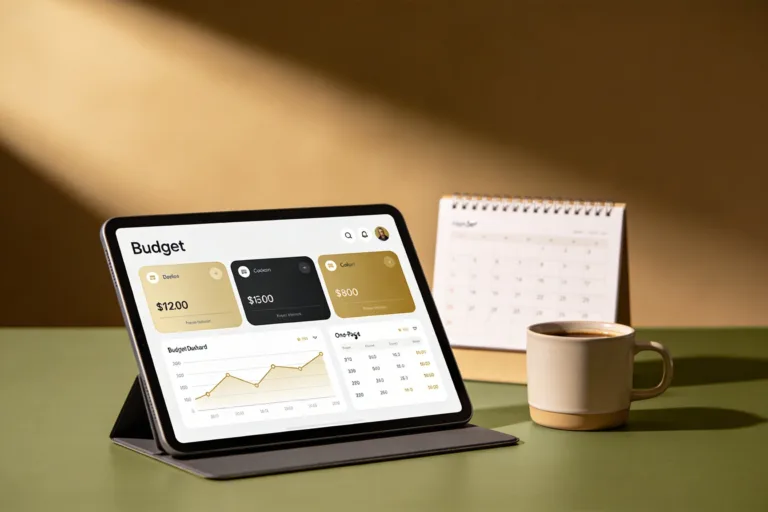
If a budget app helps you stay accountable and automate transfers, go for it. Just pick one that’s intuitive and doesn’t require endless data entry. IMO, simplicity wins.
What if I have debt too?
Tackle high-interest debt while growing the fund gradually. Consider a split approach: split automatic transfers between debt payoff and the emergency fund. The key is consistency—don’t try to do everything at once.
Conclusion
An emergency fund isn’t a luxury; it’s a safety net you can rely on without selling your soul to debt. Start small, stay consistent, and automate what you can. Before you know it, you’ll notice the fund quietly stacking up, and with it, your confidence.
If you’re feeling overwhelmed, remember this: you don’t need a perfect plan, you need a practical one that fits your life. FYI, progress beats perfection every single time. So start today, even if it’s just a tiny transfer. Your future self will thank you.