
Simple Weekly Money Habits to Follow: Tiny Wins, Big Momentum
Starting a week with a tiny money habit is like planting a seed you actually water. You don’t need a grand plan to start, you just need a tiny nudge that sticks. Before you know it, those small choices compound into real momentum. Let’s keep it simple, practical, and a little bit fun.
1) Build a 5-Minute Sunday Money Routine
Do a quick audit every Sunday and call it a date with your future self. You’ll thank yourself on Tuesday when the impulse purchases aren’t screaming at you from the corner.
– Set a 5-minute timer and ask: What did I actually spend last week? What surprised me?
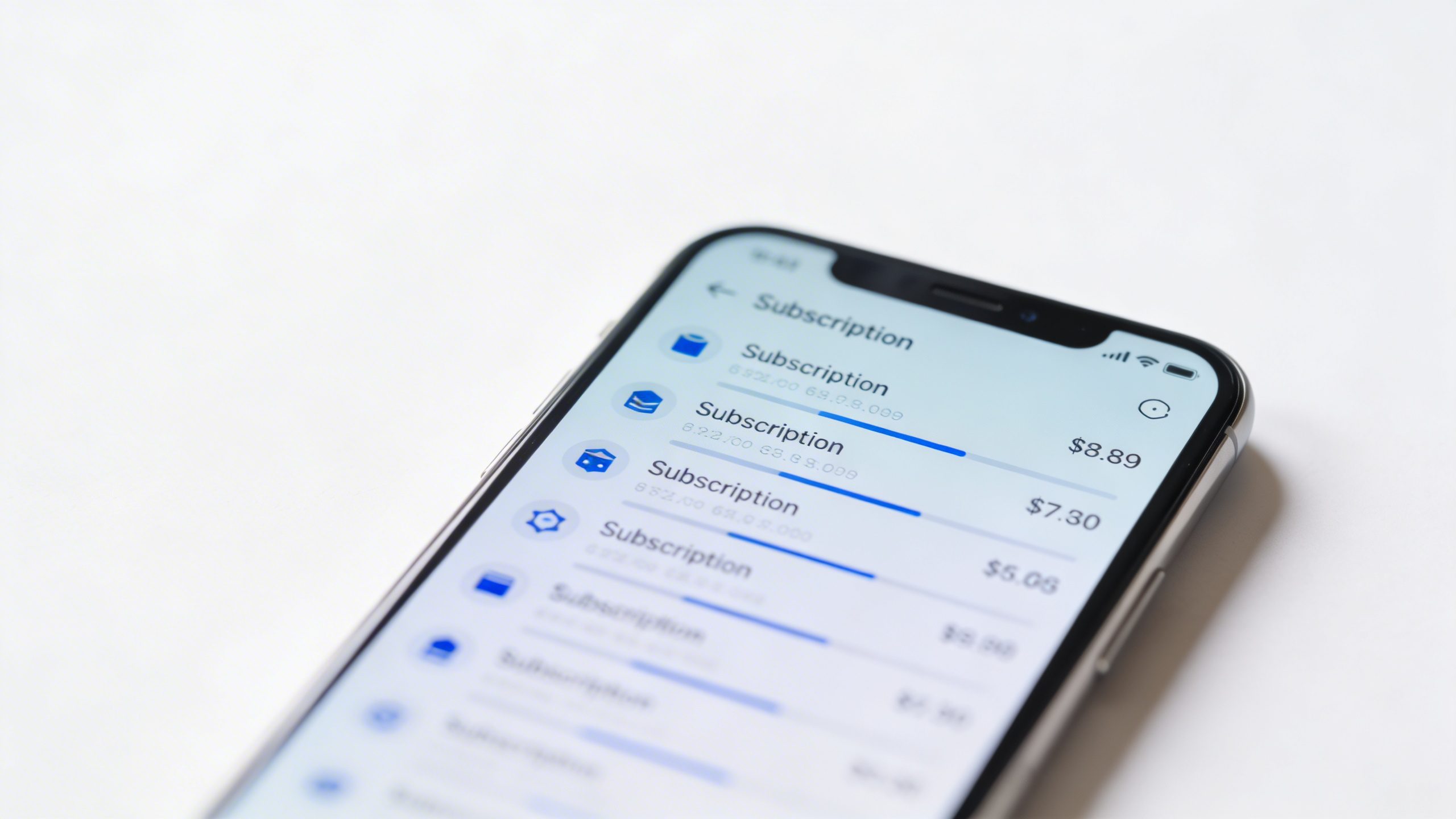
– Check recurring charges. Are you paying for something you forgot you signed up for?
– Decide one action for the week: cancel one subscription, negotiate a bill, or move a little money into savings.
Why this works: short, consistent wins beat big, dramatic overhauls that burn out fast. FYI, consistency compounds, even if the numbers don’t look wow at first.
2) Automate the Small Stuff, Break the Bad Stuff
Automation is your invisible financial sidekick. It does the boring work while you nap, shop, or pretend to work.
– Automate savings: move a small amount to savings or investments on payday.
– Automate debt payoff: set up extra payments to the highest-interest debt first.
– Break the bad habit: set a strict daily spending cap and trigger a reminder if you’re close to it.
Subsection: Quick win templates
Template A: 50/30/20-ish, but simpler
– 50% needs, 30% wants, 20% savings or debt.
– If you want to keep it looser, try 60/30/10 and adjust as you go.
Template B: Round-up to the next dollar
– Round every purchase up to the nearest dollar and sweep the difference into savings.
– It’s tiny, but it adds up over a year and feels oddly gratifying.
Why automate? It reduces decision fatigue. You don’t want “Should I save this month?” to be a marathon.
3) The 3-Question Rule Before Every Purchase
If you’re about to buy something, pause. Think about it. Answer these three questions and you’ll avoid the silly impulse buys.
– Do I truly need this, or do I just want it right now?
– Will this help me reach a goal in the next 3–6 months?
– Can I borrow or wait 24 hours to see if I still want it?
If the answer to any one is no, step away. Or at least add a cooling-off period. No one ever regretted waiting a day, right?
4) Make It Social: Share Goals, Celebrate Wins
Money talks are easier with friends. What if your group chat becomes a mini accountability squad?
– Set a monthly money goal together and report progress.
– Celebrate tiny wins in public: a screenshot of a saved amount, a debt payoff banner, or a successful budget week.
– Swap tips, not judgment. It’s not about shaming; it’s about cheering each other on.
Subsection: Turn excuses into action
Common excuses you’ll outgrow
– “I’ll start next month.” Start now, even if it’s a dollar.
– “I don’t have time.” You have 60 seconds; you’ll find more later.
– “Investing is scary.” Start with simple, low-cost index funds or robo-advisors.
Your social circle can turn “budget” into something you actually enjoy talking about, not a drag.
5) The Weekly Check-In: Tiny Metrics That Matter
You don’t need a finance degree to track progress. You need clarity. Pick 2–3 numbers and watch them like you’d watch a favorite sports team.
– Net savings for the week
– Number of recurring charges canceled or renegotiated
– Debt payoff progress (balance or interest saved)
If you’re feeling fancy, add a chart or a simple table. But don’t overcomplicate it—friction kills momentum.
Subsection: Quick metrics setup
– Create a simple spreadsheet with columns: Date, Amount Saved, Amount Spent, Charges Canceled, Debt Paid.
– Update on Sunday for a clean week-to-week comparison.
– Review trends: are you growing savings? Are recurring charges dropping? Are you chipping away at debt?
Keeping it light makes it sustainable. No PhD in accounting required.
6) Budget Songs: The 2-2-2 Rule for Snacks and Subscriptions

Let’s make a budget that doesn’t feel like a prison sentence. Two rules that keep you honest and flexible.
– 2 major categories: Necessities (rent, utilities, groceries) and Personal goals (savings, debt payoff, fun).
– 2 smaller categories: Irregular expenses (gifts, car maintenance) and Subscriptions (gently prune, dream big if you want).
If you can’t remember what you spent on subscriptions, you probably have too many. FYI, you’ll likely cancel a few you forgot about and be happier for it.
7) The 10-Dollar Challenge: Tiny Bets, Big Confidence
Challenge yourself with micro-saves and micro-bets that build confidence.
– Save $10 a week for 12 weeks in a separate fund and watch it grow.
– If you hit the weekly goal, add a second $10 week or choose a fun guilt-free treat, but don’t blow the entire fund.
– If you miss a week, don’t quit—adjust and continue.
This is the “soft start” that many people underestimate. Small bets make you feel in control, not defeated.
FAQ
How quickly can I see results from simple weekly money habits?
Results vary, but you can notice small wins within a few weeks—less spending here, more saved there. The key is consistency. If you’re doing the five-minute Sunday routine and automations, you’ll feel the momentum in 4–6 weeks.
What if I have debt and not much to save?
Tackle high-interest debt first, but automate a small weekly payoff. Even $5 or $10 weekly adds up and reduces interest. Once you feel a win, you’ll gain momentum to push more.
Is it okay to treat myself after a budget win?
Yes, but be intentional. Choose a low-cost reward or something you truly enjoy. The goal isn’t deprivation; it’s making room for what matters while keeping momentum.
How do I avoid feeling overwhelmed by money talk?
Start tiny. Pick one habit to master this week, then add the next. Keep the jargon minimal, celebrate small wins, and invite a friend for accountability. IMO, accountability makes the ride fun, not a lecture.
Can I do this if I’m not “good with numbers”?
Absolutely. Use simple tools: a basic spreadsheet, a budgeting app, or even a notebook. The point isn’t to be perfect; it’s to move in a direction you’re comfortable with.
Conclusion
Simple weekly money habits don’t require superhero willpower or a legendary budget. They’re about picking small, doable moves and letting consistency do the heavy lifting. Start with a Sunday routine, automate the boring stuff, and keep your checks light, honest, and a little bit playful. If you stay curious, you’ll build real momentum without burning out. So, what’s one tiny habit you’re going to try this week?