Money Habits for People Who Hate Budgeting: Quick Wins
A lot of people sigh at the word “budget.” It sounds strict, boring, and somehow designed to ruin Friday night. But what if budgeting could be light, actually doable, and maybe even a little fun? Spoiler: it can be. You don’t have to become a spreadsheet monk to get your money under control. You just need practical habits that fit real life.
1. Ditch the all-or-nothing mindset
You don’t have to vow to never spend again. That’s Olympic-level pressure and totally unsustainable. Instead, aim for gradual wins. Start with one tiny habit you can keep for a week. Maybe it’s tracking coffee runs, or noting every purchase over $5. Small consistency beats heroic-but-short-lived willpower every time.
– Pick one anchor expense to watch this month.
– Make one proactive choice each day that saves a little money.
– Reward yourself for sticking with it (yes, rewards are allowed).
If you mess up, don’t melt into a puddle. Recalibrate and keep going. FYI, most money wins happen after a few days of stubborn consistency, not after a month of vibes.
2. Turn budgeting into a product, not a punishment

Treat your money plan like a product people actually want to use. If your budget feels like a chore, you won’t use it. Make it visually appealing, simple, and useful.
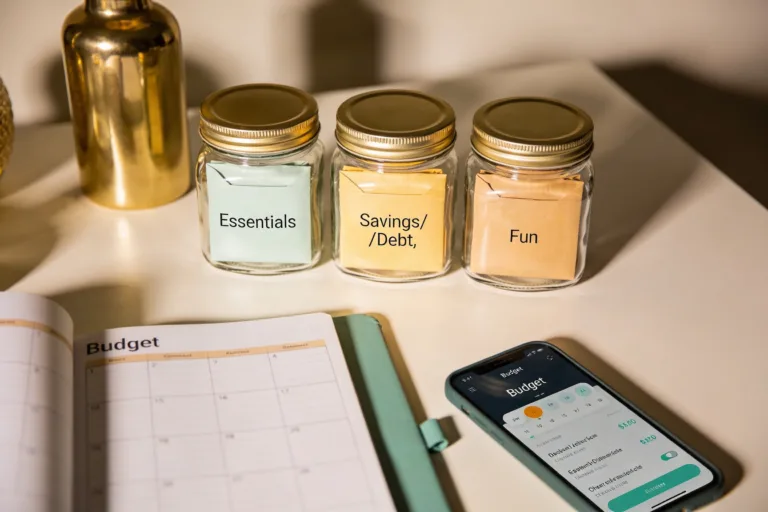
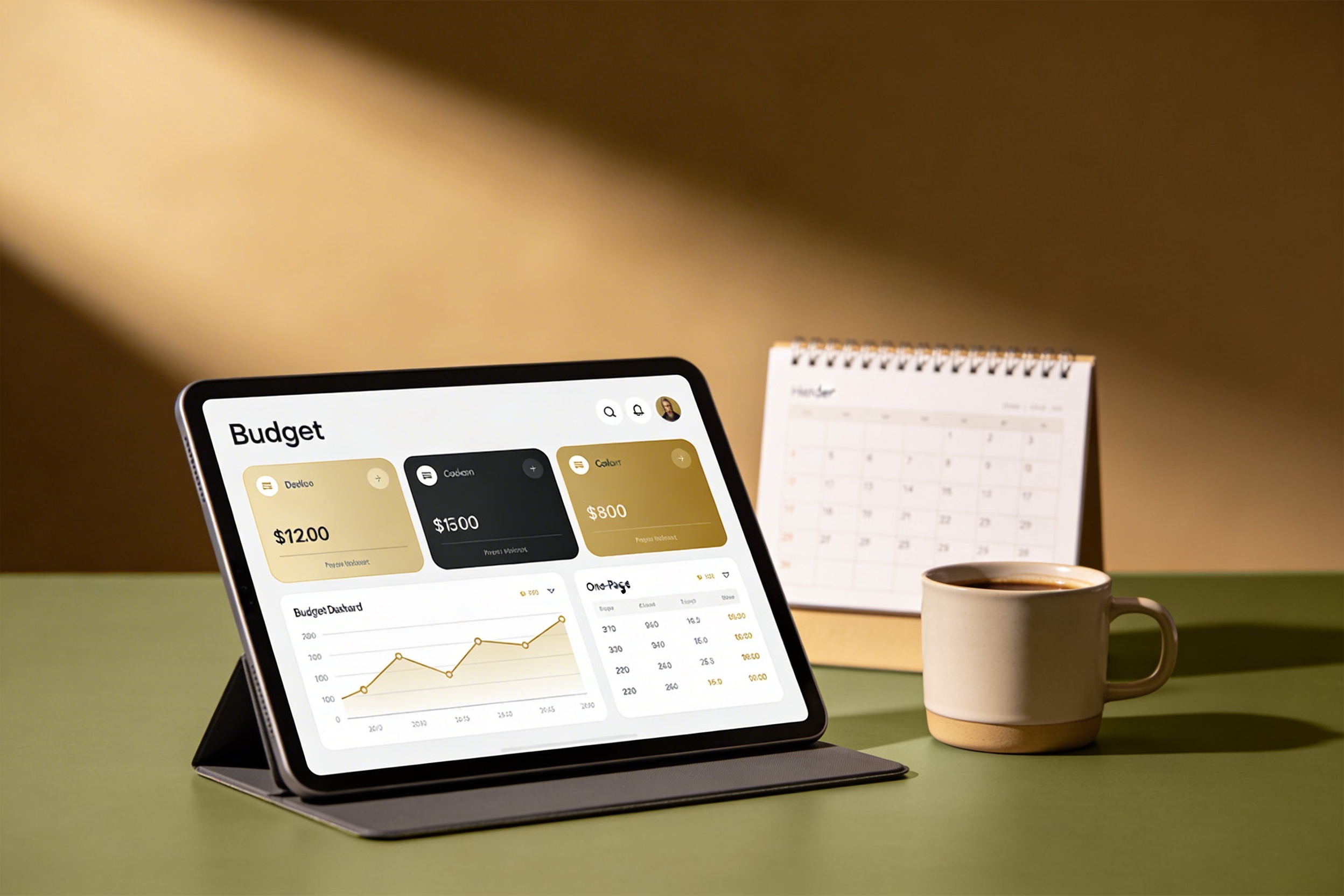
– Create a tiny “budget dashboard” for yourself: one page, three categories, clear colors.
– Use car-minutes analogies: you’ve got 600 value minutes per month. Don’t burn them on impulse buys.
– Set a weekly check-in ritual that takes 5 minutes.
When you visualize money as a system that serves you, not a boss you must obey, the game changes. IMO, the key is clarity plus consistency.
3. Automate the boring stuff, then game the fun stuff
Automation is your best friend when you hate budgeting. Automate the boring, then spend your mental energy on the fun parts.
– Automate essential transfers: saving, debt payments, and a “fun fund.”
– Automate bills so late fees aren’t a thing you worry about.
– Leave a small buffer in checking to soften the pain of the occasional impulse purchase.
Then, budget becomes a choice, not a crisis. You still decide how to spend, but the hard parts execute themselves in the background. It’s like magic, but with more math and less wands.
4. The “fun fund” is not a myth

If you hate budgeting, you’ll love a fund that’s dedicated to joy. Your future self will thank you.
– Allocate a set amount each month to a “fun fund” for experiences, little luxuries, or spontaneous mini-vacations.
– Use it for guilt-free spending on things you actually want, not what’s left after bills.
– Track what you buy with your fun fund to prove it’s working.
The best part? It reduces that nagging feeling that you’re missing out while you save seriously. It’s the adult version of “saving up for the cool thing you actually want.”
5. Micro-habits that add up
Tiny actions, big results. Build a handful of micro-habits and let them compound.
– Do a 2-minute “expense note” after every purchase: what did I buy, why, and is it worth it?
– Drink one glass of water before you buy something impulsive online. It buys you time and reduces regret.
– End the day with a 60-second quick glance at your balance. Not a panic session, just awareness.
Micro-habits are less intimidating and more sustainable than grand plans. If you can’t stick to a budget, you can usually stick to a few tiny daily checks.
6. Find a budgeting style that suits you
There isn’t a single perfect method. You just need one that fits your life, your brain, and your schedule.
– The “name it, tame it” approach: label categories you actually care about (grocery, coffee, streaming) and stick to a simple cap.
– The “pay-as-you-go” vibe: toss money into sinking funds for different goals and spend until it’s gone. Rinse and repeat.
– The “every-transaction-noted” method: you log purchases in a quick app or notebook, then review weekly.
If you hate a method, switch to something more you. Budgeting should feel like a helpful tool, not a tether that zaps your energy.
7. Make “no” less painful
Saying no to yourself is a muscle, and it gets easier with practice.
– Pre-commit to a spending rule before you open an checkout page.
– Create a “30-second rule” to pause before buying: am I buying this for a real reason or just because it’s there?
– Give yourself a built-in justification: “I want this, but I want my future self happier more.”
Remember, no one gets punished for choosing not to spend. You’re investing in your future, and that’s not a bad thing—it’s just smart.
FAQ
Q: I hate tracking every penny. Is there a lighter approach?
Absolutely. Start with just three categories: needs, wants, and savings. Every week, count how much you’ve spent in each category and adjust. It’s less heavy and still gives you insight. You’ll get better at it over time, I promise.
Q: How do I handle irregular income without freaking out?
Set a baseline: estimate your minimum monthly expenses, then stash a buffer that covers 1–2 months of living costs if you can. Automate the on-hold money when money comes in, not when it leaves. And keep a “what-if” fund for slow months. FYI, consistency beats perfection here.
Q: Can I still enjoy life while saving?
Yes. Your “fun fund” should be real and funded. Allocate a fixed amount for leisure, so you don’t feel deprived. This makes it easier to stick to the plan because you’re not punishing yourself for wanting nice things now and then.
Q: What if I mess up one month?
Dust yourself off and reset. Review what caused the slip, adjust your triggers, and re-commit. Most people stumble a bit before they find their rhythm. It’s not a catastrophe; it’s data you can learn from.
Q: How do I stay motivated long-term?
Link budgeting to a bigger goal that excites you—paying off debt, saving for a dream trip, buying a home, or just gaining peace of mind. Celebrate small wins publicly in your circle or in a journal. Motivation sticks when results feel tangible.
Conclusion
Budgeting doesn’t have to be bleak or soul-sucking. When you treat it as a practical tool, tailor it to your life, and sprinkle in a little humor, it starts feeling doable. Automate the boring, guard your joy with a dedicated fund, and keep micro-habits that stack up over time. If you hate budgeting now, you’re not broken—you’re just missing the right approach. Give these habits a try, tweak as you go, and maybe you’ll end up wondering why you ever dreaded it in the first place. IMO, money management should feel freeing, not claustrophobic. Let’s turn that budgeting squeak into a smooth ride.