Money Habits to Break Right Now — Start Small, Save Big
I’m not here to shame your wallet. I’m here to help you quit spending like a magician who keeps pulling debit cards out of a hat. Let’s cut the clutter, break the bad habits, and get real about money—without the guilt trip.
Stop the impulse invest-and-forget cycle
We all love a quick win, but lightning-fast wins rarely stick. Impulse purchases are louder than your budget’s quiet whispers. FYI, a few tiny habits beat one big, dramatic change any day of the week.
– Pause before you buy: count to 3 or breathe once. If you still want it, ask yourself why.
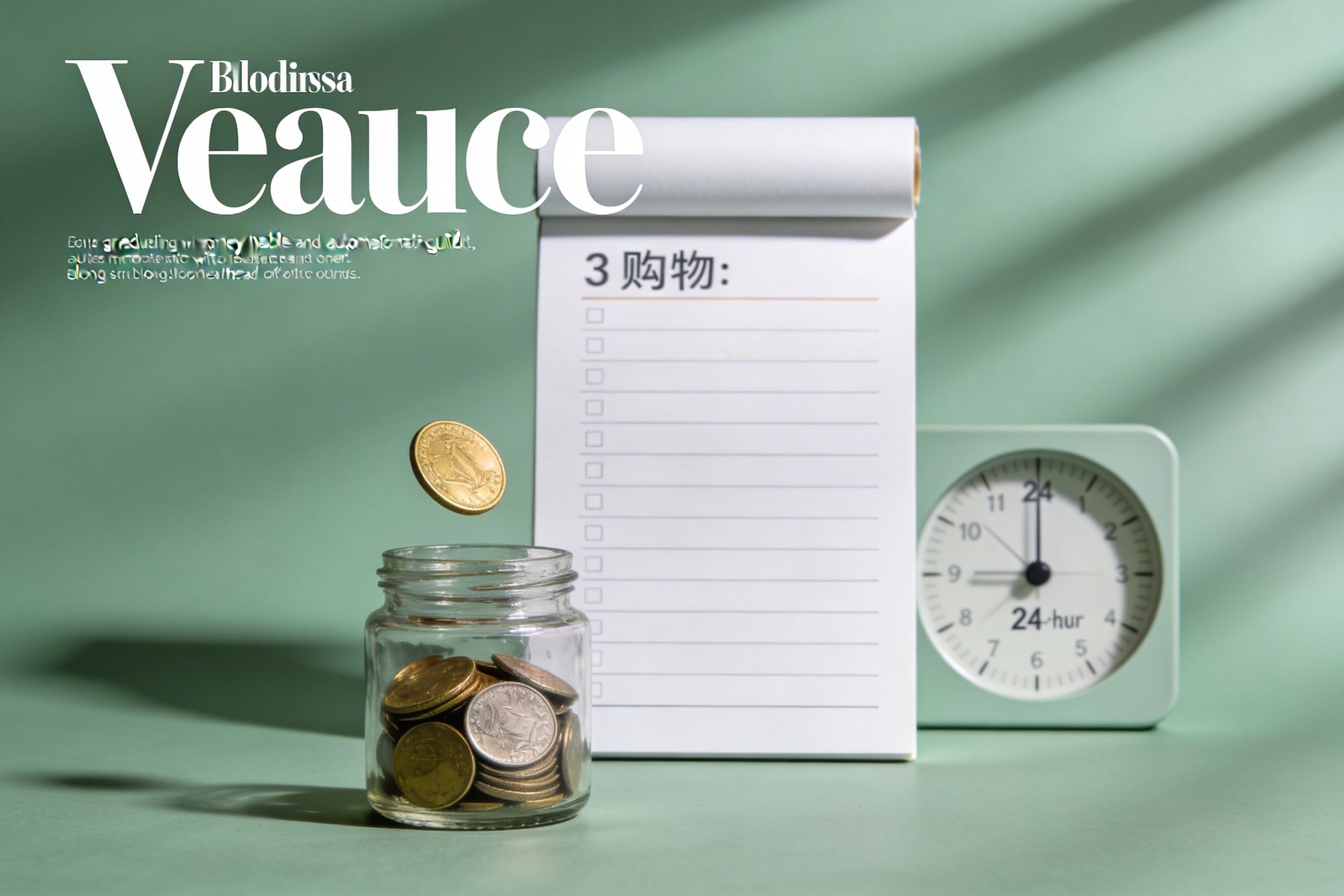
– Create a “cooling-off” period: 24 hours for non-essential items.
– Track wins, not just losses: celebrate every saved dollar like a mini victory lap.
- Set a 24-hour rule for non-essentials
- Make a 3-item shopping list and stick to it
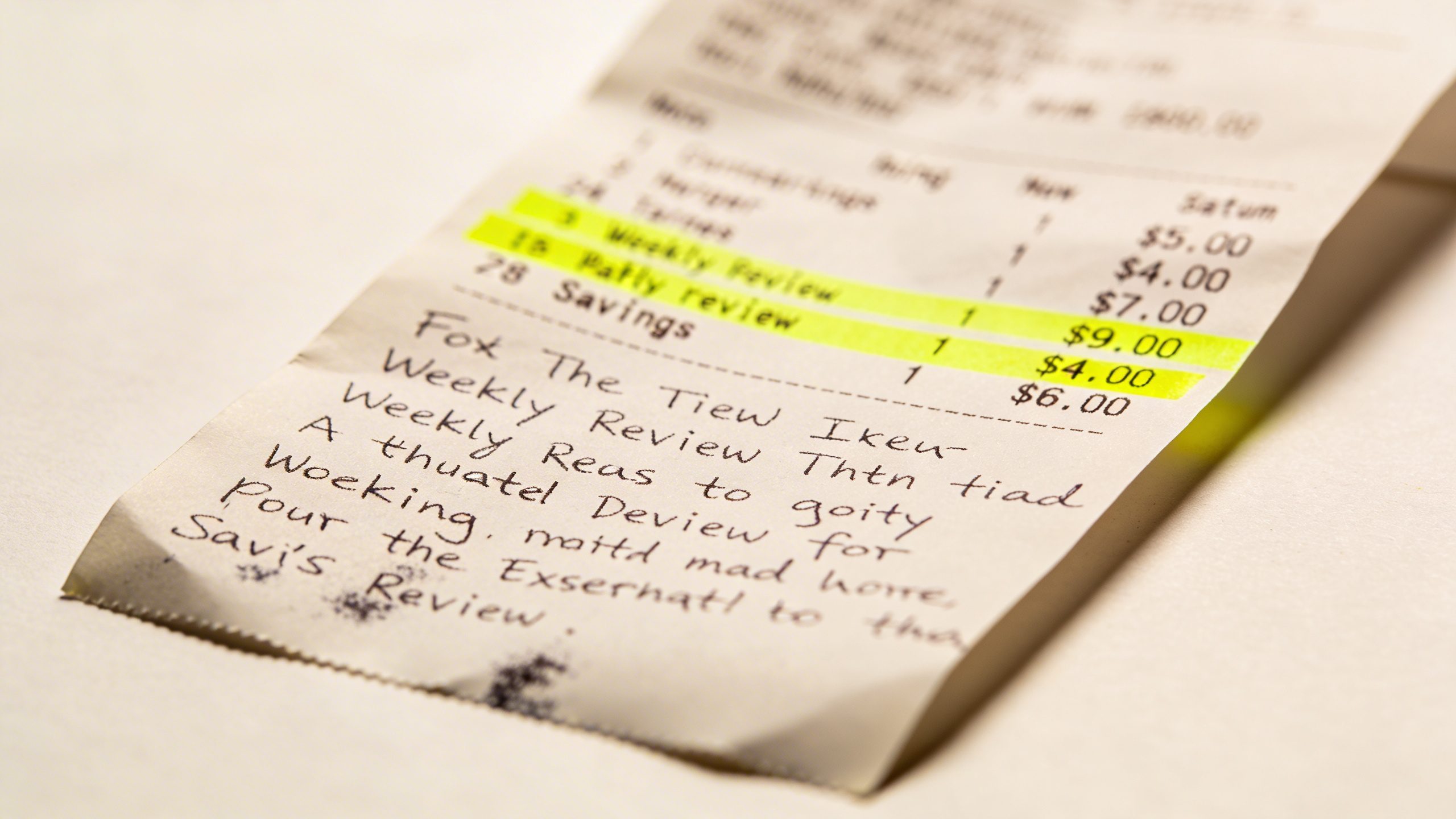
- Review your receipts weekly to spot the leaks
Decode the money myths you’re buying into

Myths are sneaky. They show up as “I’ll start saving when I earn more,” or “I deserve this treat after a rough day.” Newsflash: money habits aren’t about big wins; they’re about small, repeatable actions.
– Myths to debunk:
– Saving is only for rich people.
– Budgeting means deprivation.
– You need a spotless credit score to be okay.
– Reality check:
– Start with a tiny automatic transfer to savings.
– Budgeting can be flexible and forgiving.
– Credit health matters, but you control the pace.
Automate your money, but not your life
Automation is the secret sauce you didn’t know you needed. It removes the willpower grind and makes good behavior boring—in the best way possible.
– Automate savings: set a monthly transfer the moment you’re paid.
– Automate debt payments: pay more than minimums when you can.
– Automate bill pay: avoid late fees and stress spirals.
When automation needs a human touch
Automation is brilliant until life gets weird. If you get a bonus, restructure where that money goes. If a payment lands early, redirect it to an emergency fund. Your future self will thank you.
Deal with debt without a doom-scroll mindset

Debt stories are dramatic. The loudest ones tell you you’ll always be stuck. Don’t listen. You can chip away at it with a plan that doesn’t require a math degree to execute.
– List debts by interest rate, not size.
– Use either the avalanche or snowball method—your call.
– Build an emergency fund in parallel so you don’t fall back into debt when life sneaks up on you.
Snowball vs. avalanche—which fits you?
– Snowball: pay smallest balance first, gain momentum.
– Avalanche: pay highest interest first, save more money long-term.
Try a hybrid if you’re new to this: pick a couple of smallers to smash first, then switch to the high-interest ones.
Make your spending visible without becoming a budget bore
Transparency beats guilt every time. If you don’t know where your money goes, you’re just guessing—sound familiar? Let’s shine a light on it, but keep it friendly.
– Use a simple weekly review: what went out, what surprised you, what felt normal.
– Categorize into “needs” and “nice-to-haves.”
– Celebrate small wins: “I didn’t eat out once this week—boom, saver badge earned.”
Helpful tools and tricks
– Quick-pane budgeting apps that sync with your bank.
– A single spreadsheet vibe that’s easy to understand.
– Paper receipts in a jar for a tactile feel (yes, it still works).
Upgrade your money mindset with tiny daily rituals
Big changes come from tiny habits repeated daily. It’s not flashy, but it’s durable. Think of it as the yoga of money—consistent, not dramatic.
– Start the day with a 2-minute money check: what did I spend yesterday? What’s planned today?
– End the day with a micro-reflection: what did I do right? where can I improve?
– Journal your “why.” If you know why you want money freedom, you’ll stay motivated when the coffee budget looms.
A simple, repeatable ritual
– Every morning: glance at the balance you care about most.
– Every evening: note one thing you did that saved money.
– Do this for 21 days, and you’ll likely see a difference.
FAQ
Why is saving so hard, even when I know I should?
Saving feels abstract until you make it tangible. Automating transfers, setting a clear target, and celebrating small wins turn saving from punishment into progress. Start small and scale up as you get used to it.
What if I have irregular income?
Treat your average monthly income as your baseline, and build flexibility around it. Create a buffer, automate the basics, and adjust goals when a paycheck is higher or lower. FYI, variability isn’t a failure—it’s a feature you learn to manage.
Is it okay to reward myself for hitting milestones?
Yes, but make the reward proportional and intentional. A small treat or a fun experience can reinforce good habits without derailing your plan. IMO, make the reward something that wouldn’t have happened otherwise.
How do I avoid slipping back into old spending habits?
We all backslide. Prepare for it: have a reset plan, not just a punishment plan. When you slip, identify what triggered it, adjust your rules, and get back to your routine quickly. Consistency trumps perfection.
What’s a realistic emergency fund target?
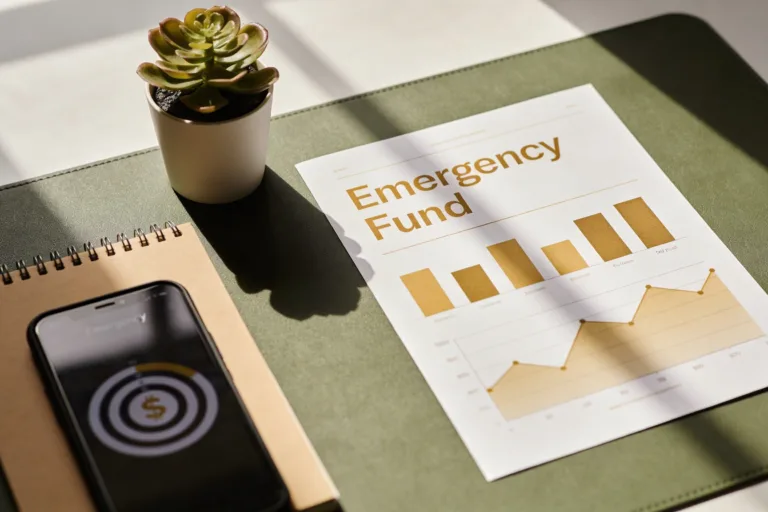
Aim for 3–6 months of essential expenses as a starting point. If you’re just starting, go for 1 month, then add a month every few months. The goal is to reduce financial anxiety, not to chase a mythical perfect number.
Conclusion
Money habits aren’t glamorous, but they’re incredibly practical. You don’t need epic willpower or a secret jackpot to make progress—just tiny, repeatable moves that fit your life. Start by breaking one bad habit this week, automate something that saves you effort, and track your wins. IMO, you’ll be surprised how fast momentum builds and how much lighter your financial load feels. Ready to break the cycle? Let’s do this together.