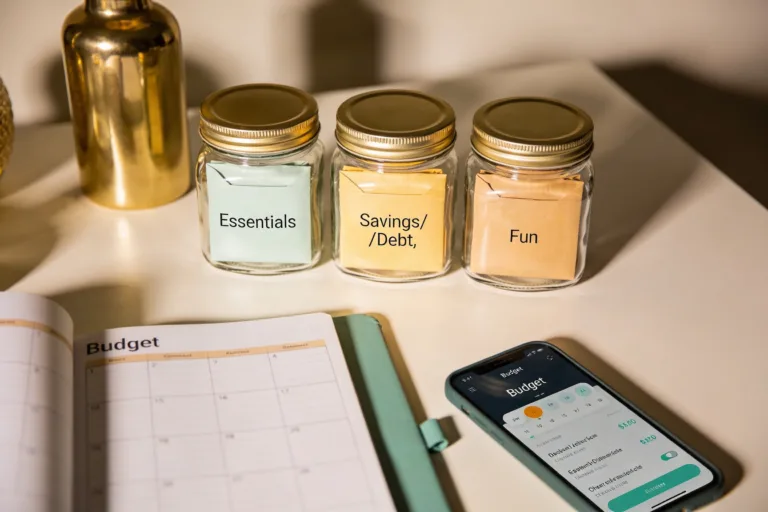

Money Habits That Work on Any Income: Simple Wins for Wealth
If you want money to your name instead of debt gnawing at your voicemail, you’re in the right place. We’re talking real-life habits that work no matter what’s in your bank account. No gimmicks, just practical shifts you can actually keep.
Debt-proof your mindset without becoming a monk
Let’s start with the brain, because money follows mood. Do you treat every paycheck like a lifeboat or like a lottery ticket? If you’re chasing big wins, you’ll miss the steady wins you can bank on.
– Start tiny: automate a savings habit that never asks for permission.
– Reframe mistakes as data, not as personal failure.
– Ask yourself: what would I do if the next three months’ bills were already paid? Do that today.
- Set a zero-based budget: every dollar has a job.
- Automate transfers the moment cash hits your account.
- Review weekly, not yearly.
Pay yourself first, always—and then again

This is the holy grail, but it’s also the easiest to mess up. Paying yourself first doesn’t mean starving your fun; it means treating savings like a recurring monthly bill.
– Make it automatic: a little goes to savings, a little to an emergency fund, a little to retirement.
– Treat extra income the same way, whether it’s a raise, a bonus, or a side gig payout.
– Keep a “fun budget” separate so you don’t feel deprived.
Why emergencies don’t have to derail you
Emergencies are inevitable. If you’ve got a cushion, you won’t panic-buy or raid the vacation fund for a car repair.
– Build a starter fund of $1,000, then aim for 3–6 months of expenses.
– Keep it in a savings account you won’t be tempted to touch.
– FYI, panic-free money is peace of mind money.
Live below your means, not below your vibe
This isn’t about misery; it’s about alignment. You can enjoy life and still keep your wallet from crying every month.
– Track where your money actually goes for 30 days.
– Cut one annoying recurring expense each quarter (are you really using that gym class you forgot you bought?).
– Swap $5 decisions daily with smarter options (cook at home, borrow the tool, skip the impulse buy).
Smart spending that feels like a steal
Small tweaks add up to big wins over time.
– Buy quality you use often, wheelie good price on one-off stuff.
– Use price alerts and cashback where it makes sense.
– Embrace “good enough” on non-essentials; you don’t need perfect.
Investing isn’t a mystery club for grown-ups

Yes, you can start with little money. Yes, you can learn as you go. No, you don’t need a Wall Street brain to win.
– Start with something simple: a low-cost index fund or a target-date fund.
– Use dollar-cost averaging to reduce timing anxiety.
– Rebalance once a year, don’t chase shiny new investments every month.
Common pitfalls to dodge
– Ignoring fees: even small percentages compound over time.
– No diversification: don’t put all eggs in one risky basket.
– Overly emotional decisions: don’t sell because your feelings are loud.
Side gigs, passive cash, and a sane roadmap
If you want more income without turning into a full-time hustle slave, mix active side gigs with passive streams.
– Active: freelancing, tutoring, or odd jobs you can do in your spare time.
– Passive-ish: digital products, royalties, or a simple rental if you have space.
– Always track time-to-dollar: is your effort giving you a fair return?
How to choose a side hustle that sticks
– Pick something you enjoy or at least tolerate.
– Consider how scalable it is over time.
– Look for low startup costs and flexible hours.
Make money moves that aren’t scary to your nerves
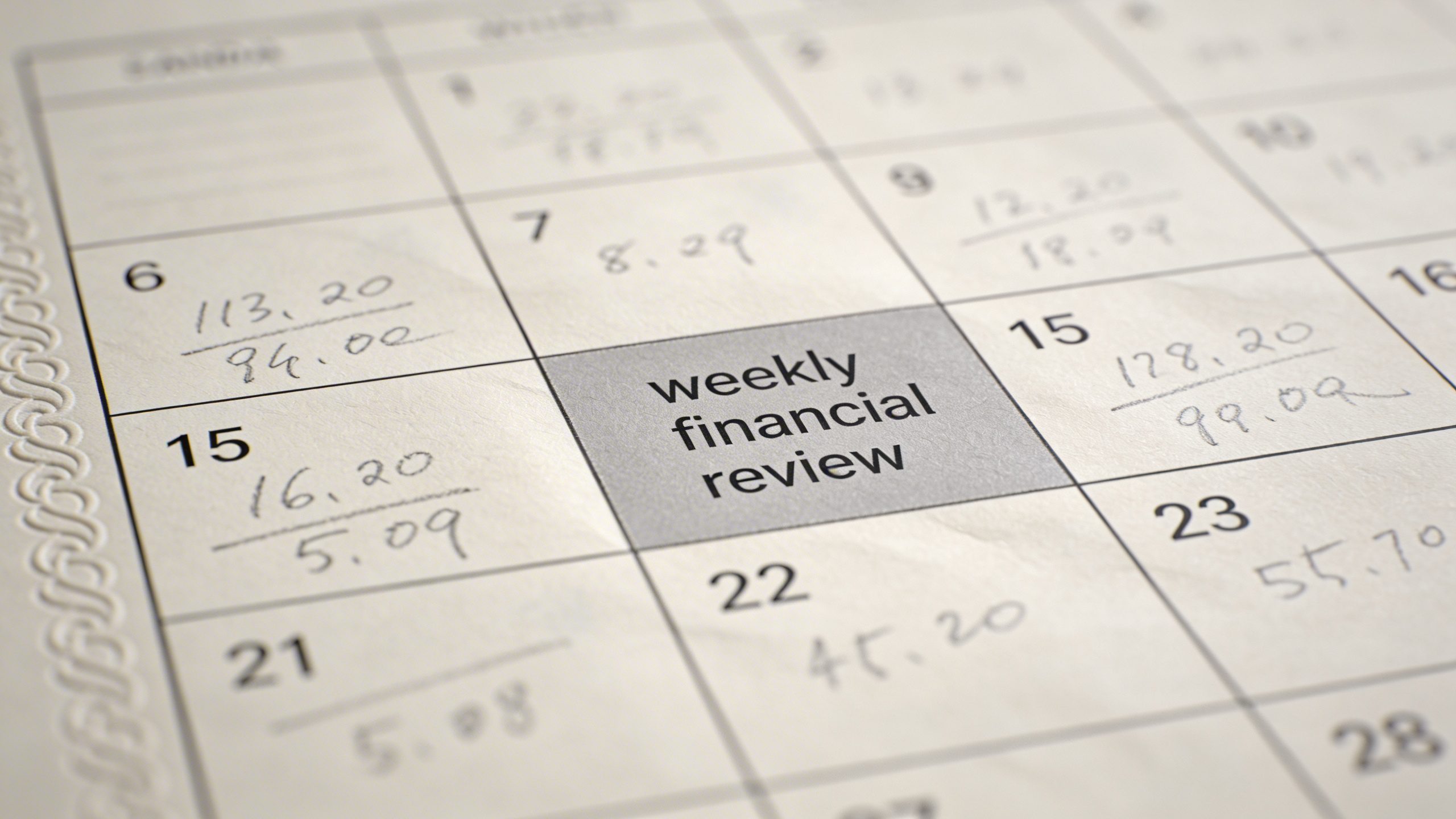
Momentum matters. Tiny, consistent steps beat big, intimidating goals every time.
– Break yearly goals into quarterly micro-goals.
– Celebrate small wins so you don’t burn out.
– Use a simple accountability loop: tell one friend, log progress, adjust next week.
Tools that keep you honest
– A budgeting app that syncs with your bank.
– A simple spreadsheet for cash flow (or a cheap template).
– Payment reminders and automatic transfers, so you don’t forget.
Money Habits That Work on Any Income: Quick Recap
– Automate savings and debt paydown so you’re not negotiating with yourself every month.
– Pay yourself first, then live on the rest.
– Live below your means but keep your vibe intact—fun and frugal can coexist.
– Invest early and often, even if it’s tiny.
– Build a practical side-hustle plan that suits your life, not the internet’s fantasy.
– Maintain momentum with small, repeatable actions.
FAQ
What if I can’t save much right now?
Start with whatever you can. Set up a tiny automatic transfer, even a few dollars. The key is consistency. Over time, that pot will grow, and you’ll feel more confident increasing it.
Is it okay to treat savings like a bill?
Yes. It keeps your finances predictable and reduces decision fatigue. If it’s a bill, you pay it first; you won’t miss it and you won’t forget it.
Should I invest if I have debt?
Generally, pay high-interest debt first, then invest. But if you’re on a balanced plan with a mix of debt payoff and investing, you’ll learn as you go. IMO, start with a tiny, automatic investment while you chip away at debt.
How do I stay motivated when progress feels slow?
Track tiny wins, not just big milestones. Celebrate consistency—like a streak of 14 days of saving or a month without unnecessary purchases. FYI, small wins matter more than you think.
What’s the easiest way to start a side hustle?
Choose something you already know or enjoy. Create a simple value proposition, set a tiny target, and test for 6–8 weeks. If it sticks, scale; if not, pivot.
Conclusion
Money habits don’t require a miracle, just a little consistency and a dash of pragmatism. You don’t need perfect income to build a solid financial cushion. You need reliable routines you won’t abandon when life gets loud. Start small, stay curious, and remember: your future self will thank you for the boring, boringly effective stuff you keep doing.