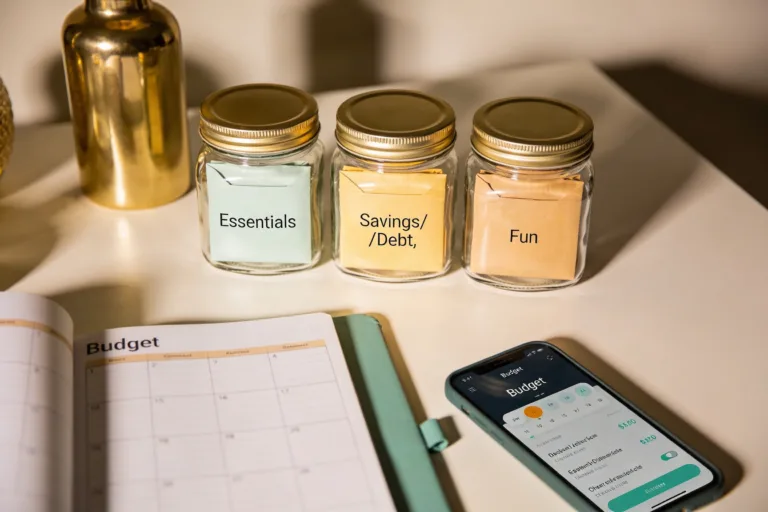

Money Habits That Build Confidence with Money: Tiny Wins
I’ve learned this from years of watching people hustle: money confidence isn’t about pinching pennies until they scream. It’s about making tiny, repeatable moves that compound into real self-assurance. Let’s ditch the shame spiral and build habits that feel doable, practical, and oddly empowering.
Money habits that build confidence with money
Know your baseline, not your fantasies
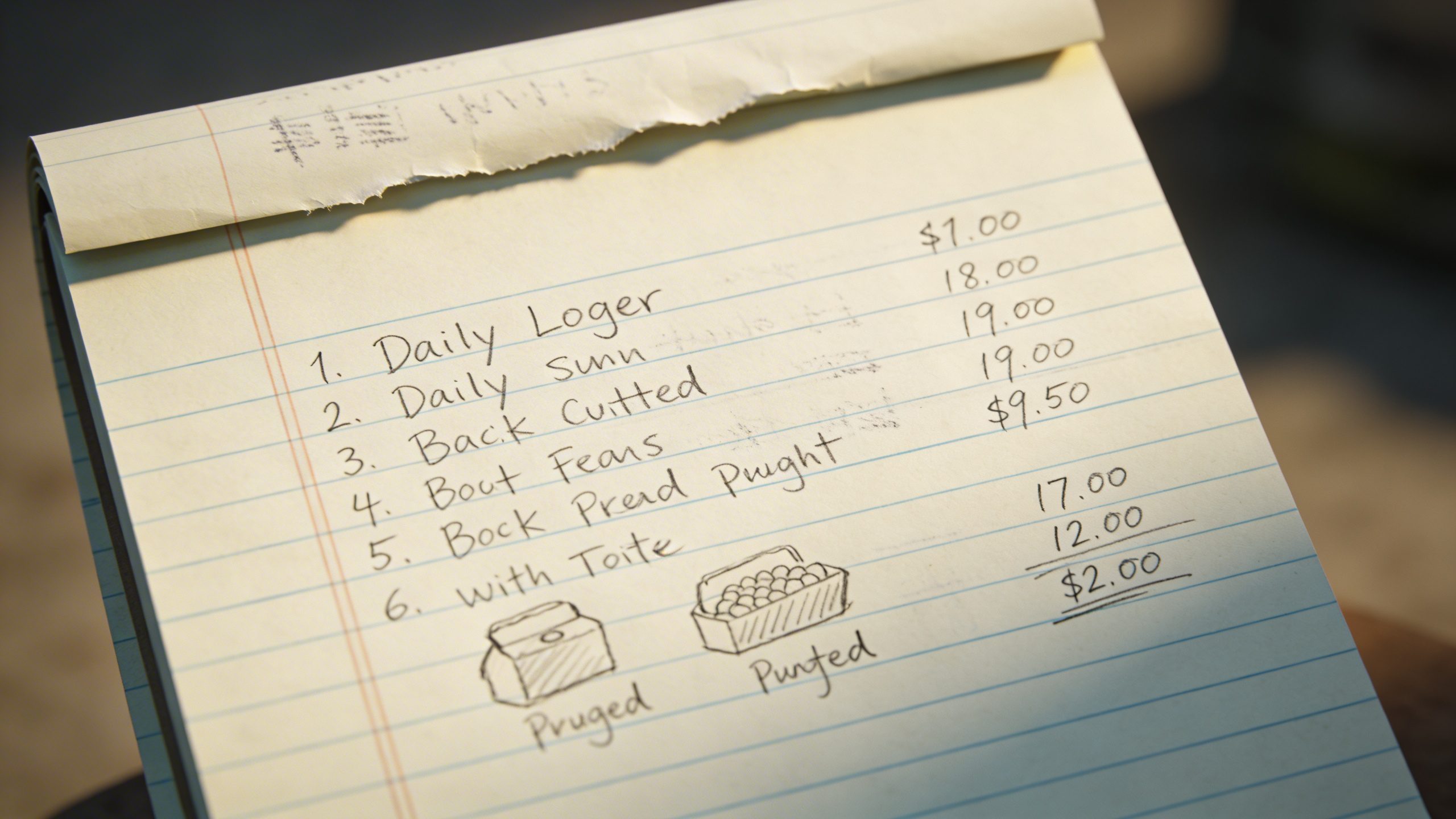
You can’t win the game if you don’t know your current score. Start by tracking where every dollar goes for 30 days. Yes, every latte, every spare coin, every impulse buy. FYI, you’ll probably discover a few patterns that surprise you.
– List your fixed expenses first: rent, utilities, insurance.
– Then jot down irregular costs: subscriptions, annual fees, gifts.
– Finally, note discretionary spending: meals out, streaming services, that streaming service you forgot about.
This isn’t punishment; it’s data. Once you can visualize your money flow, you can begin to design the life you want without pretending you’re a superhero with infinite funds. The goal isn’t perfection; it’s clarity.
Automate the boring stuff so your future self smiles
Automation isn’t just for geeks. It’s for anyone who wants less mental clutter and more confidence. When money decisions stop being every-day dramas, you feel steadier.
– Set up auto transfers to savings the moment you’re paid.
– Automate minimum debt payments to avoid interest traps.
– Create automatic bill payments to dodge late fees.
Want to go further? Create a “priority” bucket. Every month, automatically fund this first: an emergency fund, a retirement contribution, or a small splurge fund for non-gessy goals. The trick is to treat your future self like a co-pilot who snacks on fewer tragedies and more wins.
Build a simple, honest budget that actually sticks

Budgeting doesn’t have to feel like dieting for your wallet. It should feel like a map to freedom rather than a cage.
– Use a 3- or 4-category setup: Needs, Wants, Savings, and Debt.
– Assign realistic dollar targets instead of vague percentages you’ll forget by Friday.
– Review weekly, not yearly. Short checks beat big panic sessions.
If you hate spreadsheets, you’re not alone. Try a plain notebook, a whiteboard, or a kid-friendly app. The key is consistency, not perfection. Ask yourself: does this budget support the life I want, or am I trying to micromanage the universe?
Change your money story, one small belief at a time
Your inner dialogue around money matters more than your last paycheck. If you’re convinced you’re “bad with money,” you’ll prove it. If you’re curious and assertive, you’ll prove that too. IMO, the most powerful money move starts with thoughts you actually wish to have.
– Replace “I can’t afford that” with “What would it take to save for this?”
– Swap “I’m not good with numbers” for “I’ll learn, one step at a time.”
– Celebrate tiny wins publicly or privately. Acknowledgement matters.
A quick exercise: write down three money myths you believe and three facts you want to believe instead. Keep them where you’ll see them. FYI, belief systems are just habits you forgot you can rewire.
Debt wisely: crush the fear, not your future

Debt isn’t inherently evil, but it deserves respect. The confidence boost comes from moving with intention, not panic.
– List all debts with interest rates, balances, and minimum payments.
– Prioritize high-interest debt first, unless you have a plan that actually works for you (snowball vs. avalanche).
– Build a mini plan for any new debt: how long it will take, and what payoff would feel like victory.
Acknowledge that some debt is strategic (student loans, a mortgage) and some is a trap (high-interest credit cards). Your job is to know the difference and act accordingly. Does the debt empower you, or does it power a binge cycle? If the answer is the latter, we’ll fix that next.
Level up your financial literacy without the grind
Confidence grows when you understand the language of money, not when you memorize every jargon term. Learn in short, actionable bursts.
– Pick one topic per week: interest, inflation, investing basics, insurance.
– Consume bite-sized content: podcasts, quick explainers, or a 5-minute read.
– Apply what you learn: a new reason to save, a new way to invest small sums.
If you feel overwhelmed, good. Curiosity is a superpower here. Don’t try to know everything at once; try to know just enough to make a better choice today.
Investing for confidence: start tiny, aim steady
You don’t need a fortune to begin investing. A tiny, consistent habit beats sporadic big bets. The mere act of investing builds confidence because you see your money actively growing (or at least not shrinking as fast as it could).
– Start with a matching program if your employer offers one.
– Use micro-investing apps or fractional shares to begin with small sums.
– Reinvest dividends or returns automatically to compound your gains.
Remember: the goal is consistency, not overnight riches. The first thousand dollars feel like a victory parade; the next thousand becomes a habit.
Subsection: renegotiate and reframe big financial moves
Big moves can be intimidating, but they’re often about small, repeatable steps.
– Does your rent feel high for your area? Gather 3 quotes and negotiate with your landlord or explore a cheaper place—without pretending you don’t notice the market.
– If you’re self-employed, build a predictable cash buffer and set a quarterly tax fund. Yes, you can estimate taxes without pulling your hair out.
– Consider refinancing a loan if it lowers your interest rate or monthly payment significantly. Do the math, then celebrate the win.
This isn’t “settling.” It’s choosing control in the face of uncertainty.
FAQ
What’s the fastest way to start feeling money-confident?
Start with a quick baseline: write down all income, all expenses, and all debts. Then automate一个 few essential transfers—savings, debt payment, and bills. The act of automation reduces decision fatigue, and decision fatigue is the thief of confidence.
Is it okay to reward myself while saving?
Yes. Healthy rewards reinforce behavior. Set a small, achievable reward after meeting a savings or debt-paydown goal. The trick is to keep it proportional and not derail the plan. FYI, the reward should be something that genuinely feels worth the effort.
How do I handle money talk with a partner or roommate?
Have a transparent, regular check-in. Share goals, not accusations. Create a simple budget you both agree on, and split responsibilities in a way that respects both incomes and priorities. Communication is the bridge between fear and confidence.
What if I don’t have much to save right now?
Start with small, consistent steps. Even $5 or $10 weekly can compound into something meaningful over time. The important part is consistency and visibility—watch that number grow and you’ll feel the confidence building.
Can I really teach myself investing on a tight budget?
Absolutely. Begin with low-cost, diversified options and celebrate small milestones. Reinvest returns, keep fees minimal, and learn as you go. Confidence comes from doing, then correcting, not from waiting for a perfect moment.
Conclusion
Money confidence isn’t a magic trick or a mysterious superpower. It’s a set of repeatable, practical habits that reduce friction, demystify money, and give you a clearer sense of control. Start by knowing your baseline, automate the boring stuff, and build a budget that actually fits your life. Tweak your money story until it supports the life you want. And if you stumble, remember: you’re not failing—you’re learning how to win louder next time.