
Money Habits That Improve Financial Discipline You’Ll Love
I’ve spotted a money mess or two in my own life, and I’m guessing you have too. Let’s fix that with habits that actually stick, not just a fancy spreadsheet you forget to open. Think small, practical steps that add up—without turning your wallet into a boring robot. Ready to build discipline you won’t hate?
Track first, spend second
You can’t improve what you don’t measure. Start by knowing where every dollar goes, even the tiny ones. Do a 30-day money audit: note every coffee, every impulse buy, every bill you forget to cancel.
- Use a simple notebook or an app to log expenses.
- Category check-ins: groceries, dining out, subscriptions, and “forgotten fees.”
- Review weekly and celebrate tiny wins, like slashing a recurring charge.
Subsection: The 3-bucket system
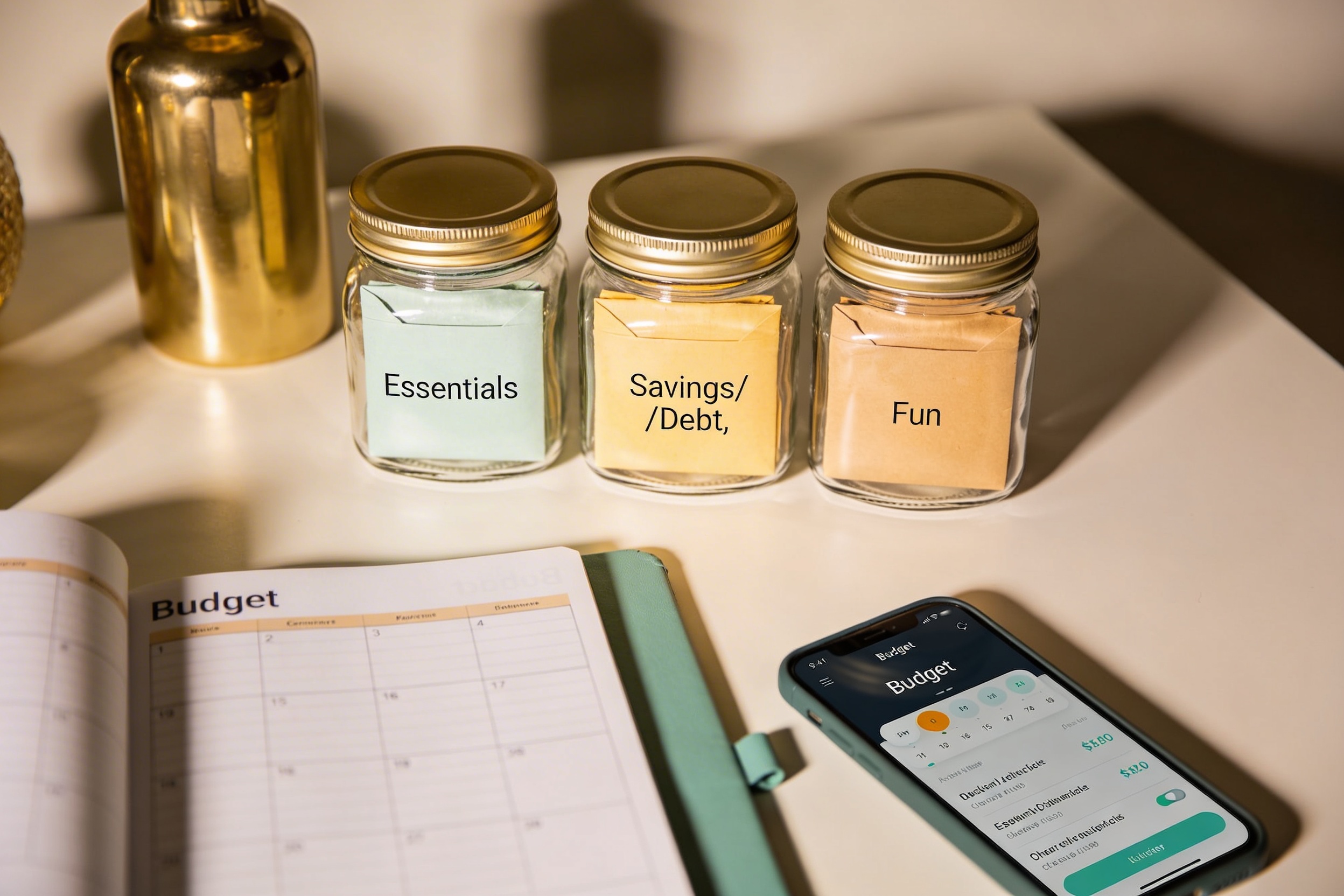
Split your income into three buckets: Essentials, Savings/Debt, and Fun. This keeps you honest and human. If you’re tempted to overspend in Fun, you’ll see the consequences in Essentials or Savings first.
Automate what you can, resist what you must

Automation is money’s best friend and worst enemy in disguise. It’s great for paying yourself first, not so great for letting a fancy online store hypnotize you.
- Set up automatic transfers to savings and debt repayment on payday.
- Automate bill payments to avoid late fees, but review them monthly for rate leaks.
- Turn off one-click checkout during weak moments. FYI, willpower is a muscle—sometimes you need a cue to flex it.
Subsection: Trial periods and subscriptions
If you’ve got six trial periods running, you’re likely paying for more than you realize. Create a 30-day review calendar for every subscription. If you don’t use it regularly, cancel or downgrade.
Outsmart impulse buys with a chill delay
Impulse buys are sneaky. They rely on instant gratification, but you can beat them with a pause.
- Use the 24-hour rule for non-essential purchases over a set amount.
- Put a literal pause between decision and action—leave items in the cart for a day or two.
- Ask yourself: “Will I still want this next month?” If not, you probably don’t need it.
Subsection: The shopping ritual that saves money
Treat big purchases like a project: define a clear value, gather three quotes, and sleep on the decision. This removes the adrenaline from spending and adds a little strategy.
Debt discipline without the doom scroll

Debt can feel like a gym workout you’re sure you’ll quit. Do it anyway, but with a plan that doesn’t burn you out.
- List all debts, interest rates, and minimum payments.
- Choose a payoff method: snowball (smallest balance first) or avalanche (highest interest first). Pick what keeps you motivated.
- Negotiate lower interest rates or balance transfers when possible.
Subsection: The minimums are not the goal
Minimums keep you afloat, but they don’t build freedom. Set a weekly extra payment target and celebrate when you hit it. Small pushes compound into big relief over time.
Savings that actually feel real
Saving isn’t a punishment; it’s a future you’ll thank yourself for at 3 a.m. during a power outage or when the tire pops.
- Automate an emergency fund with a modest initial goal (e.g., $1,000) and grow it steadily.
- Use “round-ups” from purchases to a separate savings account.
- Set a realistic target for short-term goals (a trip, a laptop, a home repair).
Subsection: The power of momentum
When you hit tiny milestones, your brain loves it. It rewards you with a little dopamine kick, which makes you more likely to stick with the habit. Keep wins visible: a quick checkmark in your tracker or a note in a journal.
Mindful money, not moralizing money

Discipline works best when you’re kind to yourself. Shaming your past self rarely produces lasting change. Instead, notice patterns, adjust, and move forward.
- Identify triggers that derail you—stress, boredom, or social media ads—and build healthier responses.
- Celebrate progress, not perfection. Even a small improvement matters.
- Talk about money with a trusted friend or partner. Accountability helps more than willpower alone.
Subsection: The accountability buddy illusion
If you’re worried about embarrassment, start by sharing only the basics. A quick weekly check-in can be enough to keep you honest without becoming a judgment party.
Money habits that compound your confidence
Discipline isn’t about saying no all the time. It’s about building a better relationship with money so you say yes to the right things more often.
- Set clear, doable goals. Small wins compound into bigger wins.
- Keep a “why” list: why you want to save, why you want debt freedom, why you want financial calm.
- Use a simple budget that fits your life. If it feels restrictive, you won’t stick with it.
Subsection: The weekly money date
Set aside 20 minutes every week to review income, expenses, and goals. Make it almost ceremonial: a quick coffee, a check-in, a plan for the next seven days. Consistency beats intensity.
FAQ
Do I need to track every dollar to build discipline?
Not forever. Start with a practical baseline—one week of thorough tracking, then loosen as you gain consistency. The goal is awareness, not obsession. FYI, awareness is the first step toward control.
What if I get discouraged by slow progress?
Progress isn’t always loud. Look for tiny wins: a recurring charge canceled, a slightly bigger savings transfer, or just a calmer week financially. Celebrate those moments and keep going.
Should I automate everything or keep some things manual?
Automation helps discipline, but you should still review. Automate the boring, manual tasks every now and then to avoid gatekeeping your money from growing. Balance is the sweet spot.
What’s a realistic emergency fund target for beginners?
Aim for $1,000 initially, then build toward 3–6 months of essential living expenses. It takes time, but every month adds up. Stay patient and persistent.
How can I involve my partner or roommate without drama?
Set shared goals and clear roles. Use a simple joint plan, regular check-ins, and celebrate together. If money drama shows up, pause for a calm conversation and realign.
Conclusion
Discipline isn’t about deprivation; it’s about designing a life you don’t have to pretend to be perfect for. Start small, stay consistent, and let automation handle the boring parts. Track what matters, automate what you can, and build a buffer that lets you say yes to the right things more often. If you were hoping for a magic wand, you won’t find it here—just practical habits that actually work. Ready to tweak your money story and see real results? IMO, you’ve got this.