
Money Habits for Busy People: Tiny Changes, Big Wins
I know you’re busy. Your calendar looks like a Tetris game where every block is a meeting. So let’s cut to the chase: money habits that actually fit into a chaotic schedule, not a rigid 2-hour finance seminar. You want results, not a pep talk you’ll forget by lunch.
Smart Money Starts With Tiny Changes
You don’t need a money revolution to see progress. You need tiny, repeatable wins you can actually keep. Think: a few dollars moved automatically, a simple rule you won’t hate, and a plan you won’t abandon after a week.
– Set one automatic transfer per paycheck to savings.
– Decide on one “cool-down” purchase you’ll skip each week.
– Track one expense category in under a minute a day.
If it feels boring, congratulations—boring works. The goal is consistency, not fireworks.
Automate Like a Boss
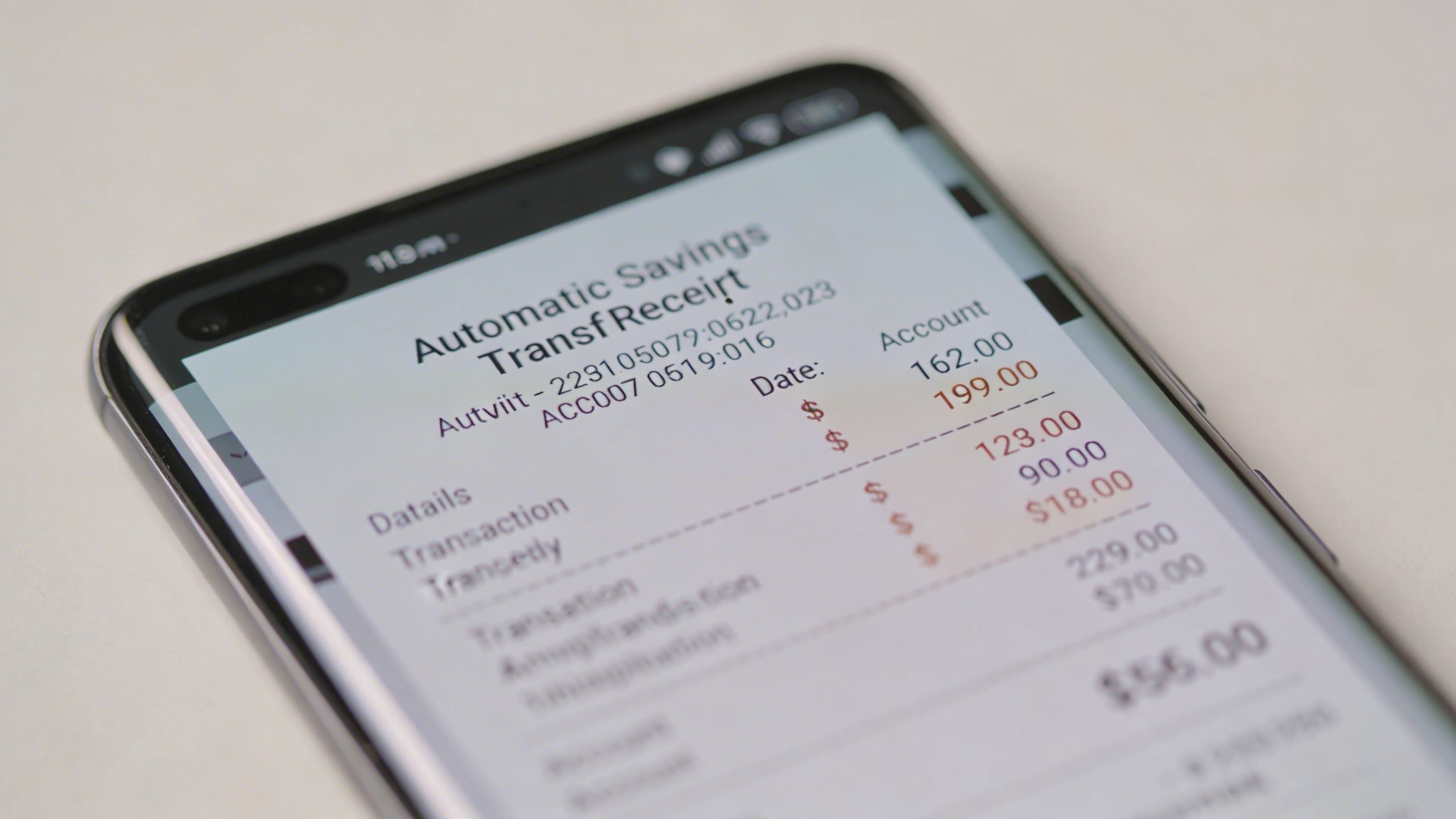
Automation is your secret weapon when time is your enemy. The less you have to decide, the better your money game goes.
What to automate
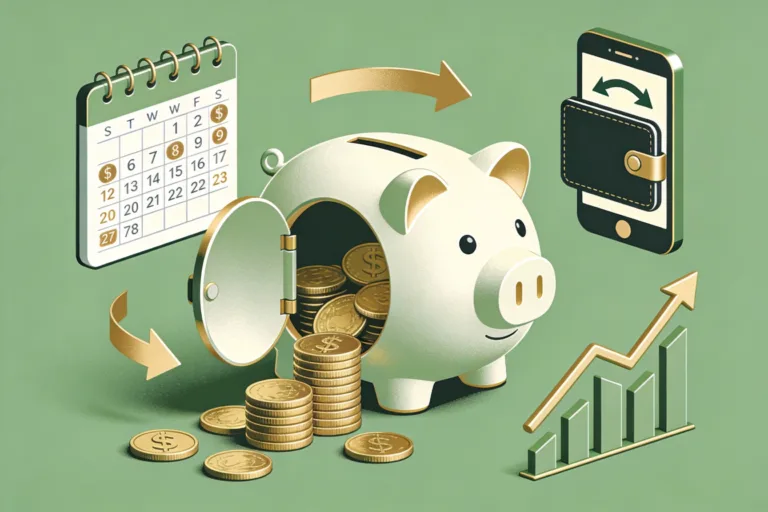
– Savings: Move a fixed percentage or a fixed amount to a high-yield account every payday.
– Bills: Pay essentials with autopay to avoid late fees and the guilt-trip that comes with forgotten payments.
– Investments: Set up automatic contributions to a retirement fund or index fund. FYI, compounding loves consistency.
What to automate (the spicy version)
– Emergency fund target: automate monthly top-ups until you hit a comfortable cushion.
– Debt payoff: automate extra payments on the highest-interest balance. Snowball vs. avalanche? Pick whichever one keeps you motivated.
– Budget alerts: enable notifications when you’re close to category limits. No more “Where did my money go?” surprises.
Simple Budget That Actually Fits a Busy Life
Budgeting doesn’t have to be a full-time side quest. The trick is a lightweight framework you can do on your lunch break.
– 50/30/20 doesn’t have to be perfect. Allocate halves and thirds that feel sane to you.
– Use a “no-sweat” expense ledger: jot down what you spent in a single line for the day.
– Create a monthly “money sprint” where you review in 10 minutes, not 2 hours.
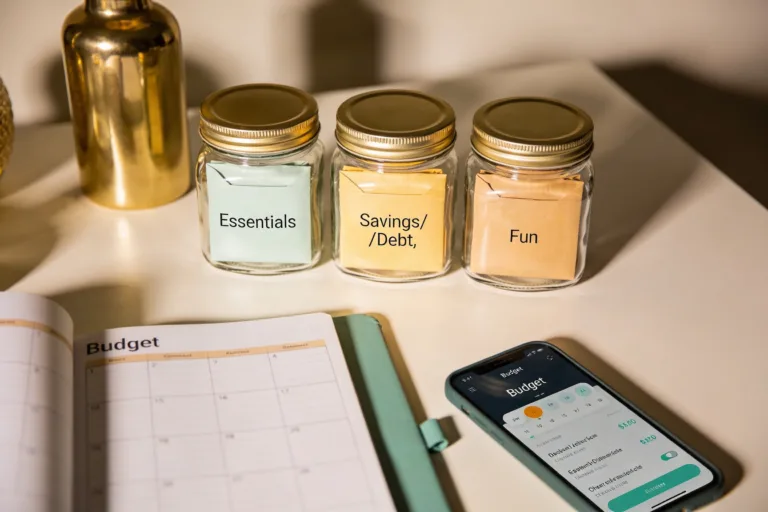
- Essentials: housing, food, transportation
- Wants: dining out, streaming, non-essentials
- Saved: debt payoff or savings goals
Do you actually want to log every tiny expense forever? Probably not. Then keep it ultra-light: once a week, glance at a single chart or a couple of lines in your app. If you can’t remember last week’s numbers, you’re not doing the right level of tracking.
Tiny Debts, Big Wins

Debt is the adult version of a leaky faucet: tiny drip, huge monthly bill. Let’s plug the leaks in a way that won’t make you cry into your latte.
Prioritize high-interest debt
– List balances by interest rate, from highest to lowest.
– Pay the minimums on all but the top one, then push extra payments toward that lead debt.
– Reassess every quarter; if you paid it off early, celebrate with something small and joyful.
Use guilt-free strategies
– Snowball: pay smallest balance first to build momentum. It’s not the most “efficient” mathematically, but it feels amazing.
– Avalanche: tackle the highest interest rate first for the least total cost.
– Consolidation if it makes sense: sometimes one payment with a lower rate reduces mental friction enough to keep you sane.
Spend Mindfully Without Daking Your Soul
Saving money doesn’t mean you have to live like a monk. It means spending with intention and a sprinkle of sarcasm toward impulse buys.
– Create a 24-hour pause rule for non-essential purchases. If you still want it tomorrow, you probably want it enough to justify the expense.
– Implement a “fun money” envelope or account. Cap it weekly and let yourself spend freely there.
– Use price-checks for big-ticket items. If you’re not buying today, at least save a few bucks.
Instant win: renegotiate your recurring charges
Call or chat with your providers every 6–12 months. You don’t have to threaten to cancel—just ask for the loyalty price or a promo code. Most places won’t offer it unless you ask. FYI, the squeaky wheel often wins.
Money Habits for the Long Haul
Consistency matters more than perfection. The question isn’t “Can I stick to this?”; it’s “What can I actually keep up with?”
– Set quarterly check-ins to adjust goals. If life changes, your plan should adapt.
– Build a network of money-minded friends. Accountability buddies are real.
– Celebrate tiny milestones. Paid off a debt? Covered a month of expenses with savings? Treat yourself—just not with a new credit card.
Make it a habit, not a chore
If you dread your routine, you won’t keep it up. Make it enjoyable: a short morning ritual, a quick dashboard glance with a coffee, or a post-work snack that’s actually budget-friendly.
FAQ
How much should I automate first?
Automate a single automatic transfer to savings or debt payoff from each paycheck. Start small, then expand as you get comfortable. The key is momentum, not perfection.
Is it worth tracking every penny?
Probably not. Do a light check weekly, focusing on big categories and any surprising spikes. More detail can help, but only if you’ll actually use it.
What should I do if I’m living paycheck to paycheck?
Start with a 1% or $1 transfer to savings whenever you can. Then look for 1 or 2 recurring expenses you can trim or cancel. Small gains compound quickly when they’re consistent.
How do I stay motivated when the goals feel far away?
Turn big goals into micro-goals with deadlines. Celebrate the milestones, share progress with a friend, and keep a visible reminder of why you started—your future self will thank you.
Is investing worth the hassle for a busy person?
Yes, if you’re able to automate. Start with broad-market index funds or a retirement account. The compounding effect over years is ridiculous in a good way. IMO, it’s one of the few places where “set it and forget it” actually pays off.
What’s the fastest way to stop impulse spending?
Limit where you shop digitally, enable price alerts only for things you genuinely need, and wait 24 hours for non-essentials. If you still want it after that, you’ve earned the right to decide with a clearer head.
Conclusion
Money habits aren’t about turning yourself into a spreadsheet tyrant. They’re about creating a calm, repeatable system that respects your time and your wallet. Automation, a simple budget, smart debt tactics, and a pinch of mindful spending can compound into real freedom—the kind you can actually enjoy on a busy Tuesday. So pick one or two changes, test them for a month, and watch your money stop acting like a chaos compass. You’ve got this.