
How to Invest Small Amounts Consistently for Growth
I get it: you want to grow a little nest egg without turning your life into a full-time side hustle. The good news? You don’t need a windfall to start. You just need consistency, a smart plan, and a dash of patience. Let’s talk about investing small amounts, done steadily, so someday you look up and wonder where the heck the money came from.
Start with a simple goal instead of a fancy dream
Ask yourself: what am I actually aiming for? A rainy-day fund, a comfortable retirement, or a shiny new gadget fund? Your goal shapes your plan, so pick one (or two) and write them down. When you know the destination, the path becomes obvious.
– Set a clear target amount and timeline.
– Decide how much you’ll invest each week or month.
– Choose a realistic, boring-but-necessary pace.
FYI, goals don’t have to be epic. A modest, steady backbone beats heroic but sporadic efforts any day.
Choose a one-word framework: automate

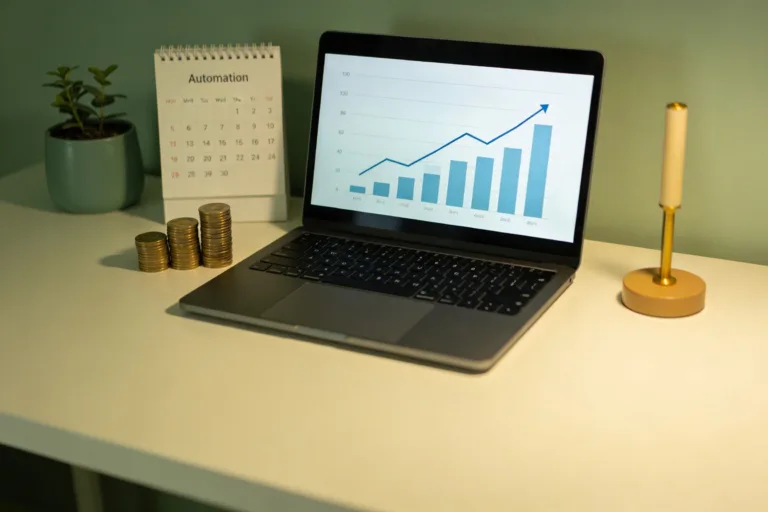
Automation is the secret sauce here. If you can automate, you remove the friction that kills every good intention.
– Set up automatic transfers from your checking to an investment account.
– Use micro-investing apps that sweep spare change from purchases.
– Reinvest dividends automatically so compounding does the heavy lifting.
If you forget to invest, you won’t progress. If you automate, you’ll keep progress quiet and consistent—in the background, like a loyal caffeine habit.
Where to start: low-cost, diversified bets
You don’t need a private equity fund to get started. You just need broad exposure, low fees, and the ability to ride out market bumps.
– 60/40? Maybe not. But a mix of stock index funds or ETFs can do the job with tiny sums.
– Consider a target-date fund if you’re saving for a specific milestone (retirement, college, etc.).
– Look for expense ratios under 0.25% if possible; fees eat returns faster than you think.
Subsection: micro-accounts, big impact
Robo-advisors vs. DIY
Robo-advisors do the heavy lifting for a few bucks a month. DIY gives you control and costs that can be lower over time if you’re willing to learn.
– Robo-advisors are great for hands-off starters.
– DIY requires more learning but can save fees in the long run.
– Either path, start small and learn as you go.
Subsection: what about risk?
Risk in small increments
Small investments can still experience ups and downs. That’s not a bad thing; it’s normal.
– Diversify across asset classes, not just stocks.
– Keep an eye on risk tolerance and adjust as your goals shift.
– Don’t chase hot tips; stick to your plan and rebalance occasionally.
Consistency beats intensity

You’ve heard the old adage, “Slow and steady wins the race.” It’s true here, too. The math loves regular contributions more than big, sporadic bets.
– Schedule a cadence (weekly, biweekly, or monthly) that you can actually keep.
– If you miss a month, don’t panic—catch up next month, not by doubling down, but by resuming your normal pace.
– Treat investing like a gym routine: it’s the consistency that builds results, not occasional heroics.
Subsection: dealing with life’s bumps
When life throws you a curveball
You’ll miss weeks sometimes. That’s not a failure; it’s a data point.
– Keep a “backup” small amount you never touch unless life forces you to. Invest whatever you can, whenever you can.
– Reassess goals every six months. If you’re getting a raise, you can nudge your contributions up.
Understand fees and how they quietly steal your gains
People underestimate fees until their statements look sad. Fees compound like gremlins in the night.
– Look for total expense ratios (TER) in funds.
– Watch account maintenance fees, trading costs, and advisory fees.
– Even tiny differences add up over years, especially with compounding.
Subsection: the sneaky price tag of rebalancing
Rebalancing without wrecking your returns
Rebalancing keeps your mix aligned with your goals, but frequent trades can cost you.
– A quarterly or semiannual rebalance is usually enough.
– You can set automatic rebalancing if your platform supports it.
– Don’t chase perfection; the goal is reasonable alignment, not flawless precision.
Make it personal: keep investing aligned with your life

The best plan fits you, not the internet’s latest hype. Personalize your approach so you actually stick with it.
– Set a monthly “investing vibe” budget that won’t derail other goals.
– Choose investments that match your values if that matters to you (ESG, social impact, etc.).
– Celebrate small wins: a new personal milestone reached? Reflect on how your investments helped.
Subsection: learning as you go
Learn with purpose
Investing isn’t a secret club; it’s a set of skills you can acquire.
– Read a little each week. A short article or a chapter from a beginner’s guide helps.
– Attend a webinar or join a beginner-friendly community for accountability.
– Take notes and track what works for you—your future self will thank you.
Common pitfalls to dodge (so you don’t blow up your plan)
Everyone trips, but you can minimize the drama.
– Don’t try to time the market with tiny sums. Time in the market > timing the market.
– Don’t ignore taxes. A basic tax-efficient strategy saves more than you think.
– Don’t chase hot tips. Stick to your plan and your risk tolerance.
Subsection: emotional traps
When FOMO hits
Fear of missing out can push you into reckless bets. Breathe, pause, and reevaluate.
– If a stock or fund spikes, ask: does it still fit my goals and risk tolerance?
– Remember that consistency beats dramatic swings.
– Keep a clear rule: if it doesn’t align with your plan, skip it.
FAQ
How much should I start with?
Start with whatever you can comfortably set aside each month. Even $5 or $10 can begin the habit and unlock the magic of compounding over time. The key is to start now, not someday.
Is it better to use a single brokerage or multiple accounts?
One well-chosen platform is enough to start. Having a single place makes automation and tracking way easier. You can diversify by funds and account types, not by scattering across platforms.
Should I worry about market crashes?
Yes, you should be aware, but not paralyzed. Crashes are part of investing. Your plan—diversification, asset allocation, and time—helps you ride through them. Stay the course and don’t panic-sell.
What’s a realistic expectation for returns on small, consistent investments?
Expect modest, steady returns aligned with your chosen mix of assets. Don’t chase 10x returns from day one. The magic here is the long game and reinvestment. Patience pays.
How do I rebalance without triggering a tax or fee headache?
Many platforms offer automatic rebalancing with minimal fees. If you’re DIY, set a simple rule like “rebalance to target weights every 6 months.” Do what minimizes tax impact and keeps you aligned with your goals.
Do I need to invest every month, or can I do every few months?
Monthly is ideal for building habit, but you can do every two or three months if that fits your cash flow better. The important thing is consistency over a long period.
Conclusion
So, how to invest small amounts consistently? Start with a clear goal, automate the heck out of your routine, pick a low-cost, diversified setup, and keep your eyes on the long game. Make it personal, easy to maintain, and a little bit fun. IMO, the best plan is the one you’ll actually follow—week after week, with a dash of humor when life gets chaotic. If you treat investing like a boring, dependable friend who always shows up with snacks, you’ll build real momentum without turning your life into a spreadsheet zombie apocalypse. Ready to start? Pick a number, set up the automation, and let time do the heavy lifting. FYI, you’ll thank yourself a decade from now.