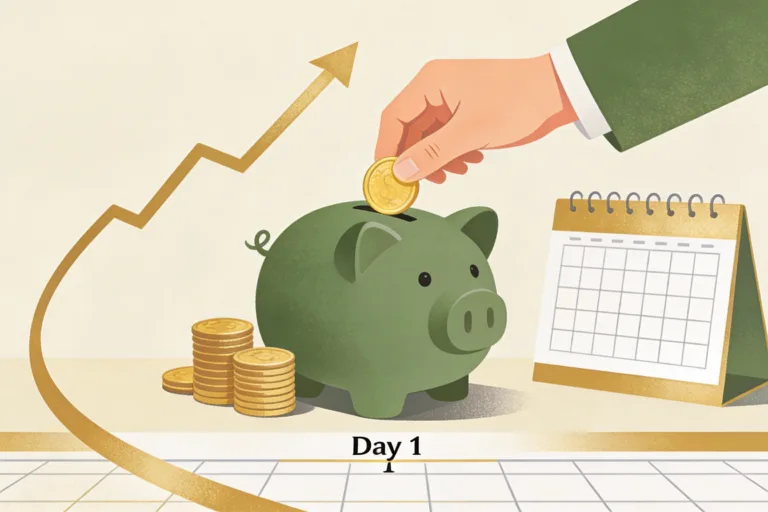

Investing Tips That Actually Work: Simple Habits for Growth
Investing can feel like a mystery novel with a hundred plot twists. But the truth is simpler: steady habits beat flashy bets. You don’t need a crystal ball or a PhD to win over time. You just need solid moves you can actually stick to.
Set a Playful, Practical Foundation
Here’s the vibe: invest like you’re building a boringly excellent habit. It sounds dull, and that’s the point. Dull wins the race when the market goes stir-crazy.
– Start with a plan you can defend on a bad day.
– Automate the boring stuff so you don’t have to rely on willpower.
– Keep fees low so you don’t gift your gains to someone else’s spreadsheet.
Question for you: what’s one small money habit you can automate this week? That tiny commitment compounds into real freedom down the road, I promise.
Define Your Time Horizon and Risk Tolerance

If you chase hot stories, you’ll crash with the next dip. Clarity on how long you plan to invest and how much risk you can stomach saves you from spur-of-the-moment chaos.
– Time horizon: short, medium, and long-term buckets help you allocate appropriately.
– Risk tolerance: is a 40% drawdown terrifying or tolerable? Be honest, then invest to match.
– Rebalance cadence: quarterly is fine for most people; don’t chase the market’s mood.
FYI, risk isn’t a villain. It’s a measurement of potential fluctuation. You want a dose you can breathe through.
Embrace Low-Cost Core Exposure
The cheapest way to win over the long haul is to own broad market exposure and keep costs tiny. You don’t need a fancy mutual fund if you have index funds or total-market ETFs.
– Core holdings: a broad market ETF/Index fund for U.S. stocks, a global or international fund, and a bond sleeve if you’re in the savings phase.
– Fees matter: even 0.10% per year may sound tiny, but it compounds into real money over decades.
– Tax efficiency: tax-advantaged accounts beat taxable accounts for long-term growth.
Pro tip: you don’t need 17 funds. Three to five sturdy, diversified building blocks do the job.
Use Dollar-Cost Averaging Like a Pro

Dollar-cost averaging (DCA) is the art of putting money in regularly, no matter what the market does. It sounds boring, and that’s its superpower.
– Set a schedule: weekly or monthly investments keep your emotions in check.
– Ignore the noise: you’re buying ownership, not chasing headlines.
– Windfalls welcome: when you get a raise or a bonus, boost your contributions a notch.
Question: what’s a realistic monthly amount you can automate without guilt? Start there and grow it gradually.
Know When to Pivot: Rebalance, Don’t React
Markets move. Your portfolio should reflect where you want to be in a few years, not what feels exciting today.
– Rebalance regularity: every 6–12 months works for most people.
– Sell discipline: trim overperformers only to the extent they tilt your risk balance.
– Tax-aware moves: in taxable accounts, be mindful of taxes; in tax-advantaged accounts, you’ve got more wiggle room.
Reality check: rebalancing isn’t selling the winners in a panic; it’s realigning with your plan.
Build a Gentle, Consistent Diversification Habit
Diversification isn’t sexy, but it’s ridiculously effective. You don’t need a dozen niche funds; you need a sensible spread.
– Core + satellites: core market exposure with a few complementary bets (like small-cap or international exposure) if you enjoy a tilt.
– Avoid concentration risk: don’t pile into a single stock or sector just because you read a hot rumor.
– Consider bonds or cash ballast: even for a growth-leaning investor, some safety helps nerves during downturns.
Deep Dive: The Right Tilt for You
If you’re early in your career and risk is your friend, you might tilt toward growth stocks or tech-heavy exposures. If you’re closer to needing the money, a more balanced or income-focused tilt can reduce stress. The key is to tailor, not imitate.
What I’d Do If I Had to Start Over Tomorrow
Let’s pretend I have a time-traveling investor’s billfold. Here’s the play I’d run:
– Automate 80% of contributions, including employer matching if you’ve got it.
– Keep a simple three-fund-like core: U.S. broad market, international, and a bond sleeve.
– Use a tax-advantaged account to max out what you can each year.
– Review annually, not weekly. If you’re bored, you’re winning.
Reasonable risk, realistic goals, low fees, and habit-first thinking are your secret sauce.
FAQ
What’s the single best investing move for beginners?
Start with automatic, monthly contributions into a low-cost, broad-market index fund. It builds a habit, minimizes timing mistakes, and compounds over time. Add a basic emergency fund first, then invest what’s leftover.
Is it okay to chase hot stocks or tips from friends?
Short answer: no. Long answer: tips often come with hidden risk and fees. Stick to broad diversification, proven strategies, and your plan. IMO, you’ll sleep better and still win in the end.
How often should I rebalance my portfolio?
Most people do it every 6–12 months. If a big market move pushes your allocations out of whack, rebalance sooner. The goal is to maintain the risk level you’re comfortable with.
Should I use a robo-advisor or DIY?
Both work, depending on your preferences. Robo-advisors reduce friction and fees for automated rules, while DIY gives you control. FYI, you’re paying with either time or money—choose what you value more.
What about taxes and investing?
Tax efficiency matters, especially in taxable accounts. Use tax-advantaged accounts for long-term goals, harvest losses when useful, and be mindful of dividend and capital gains taxes. In a hot market, it’s easy to forget the taxman, but he’ll still want his share.
Conclusion
Investing isn’t about spectacular moves; it’s about reliable routines you can keep for years. Automate the boring stuff, keep costs in check, and stay aligned with your goals. If you can do that, you’ll outpace most folks who chase the latest headlines.
So, what’s your next move? Pick one tiny habit you can implement this week—automatic contributions, a quick rebalance, or a simple three-fund setup. FYI, small steps compound into big outcomes with a bit of time and patience. Happy investing, and may your portfolios be boringly resilient.