
How to Start Investing Without a Financial Advisor: Diy Wealth
I’m guessing you’re itching to take control of your money without dialing up a financial advisor. Good news: you can start investing confidently on your own, without strangers handing you a bill every time you click a button. Let’s skip the fluff and get you setup, fast.
Why you can do this without a pro in your corner
You don’t need a suits-and-torrents of charts to begin. The math isn’t magic, it’s discipline and a plan. The internet gives you tools, community, and low-cost options that used to require a Wall Street firm. If you’re willing to learn a bit, you’ll dodge expensive advisory fees and still grow your money over time.
– You control the pace: start small, learn as you go.
– You avoid upfront charges: many DIY platforms have minimal fees and transparent costs.
– You tailor to your life: you pick risk, goals, and time horizon.
Ask yourself: what am I investing for, and by when? This clarity matters way more than fancy jargon.
Set a simple investing blueprint

Before you click “buy” on anything, sketch a basic plan. Think of it like a GPS for your money.
– Define goals: retirement, a big purchase, or a cushion for life’s curveballs.
– Decide your risk range: how much volatility can you tolerate without losing sleep?
– Pick an asset mix: mostly stocks for growth, with bonds or cash for ballast.
– Establish a saving rate: how much will you contribute each month?
– Choose a cadence: auto-deposit weekly or monthly beats “when I remember.”
No need to over-engineer this. A two-page plan beats months of wandering.
Get comfortable with low-cost, diversified options
You don’t need 50 different funds to be diversified. In fact, fewer can work better.
– Target-date funds: automatic glide paths for your age and retirement horizon.
– Total market index funds: broad exposure to the whole market with tiny fees.
– Bond or bond-like funds: cushion during market swings.
– International exposure: a slice of non-domestic stocks adds resilience.
Key tip: focus on low fees. Fees eat compound growth faster than you think. If you’re tossed a nickel every time you trade, that’s a lot of nickels over decades.
How to choose a DIY investing platform
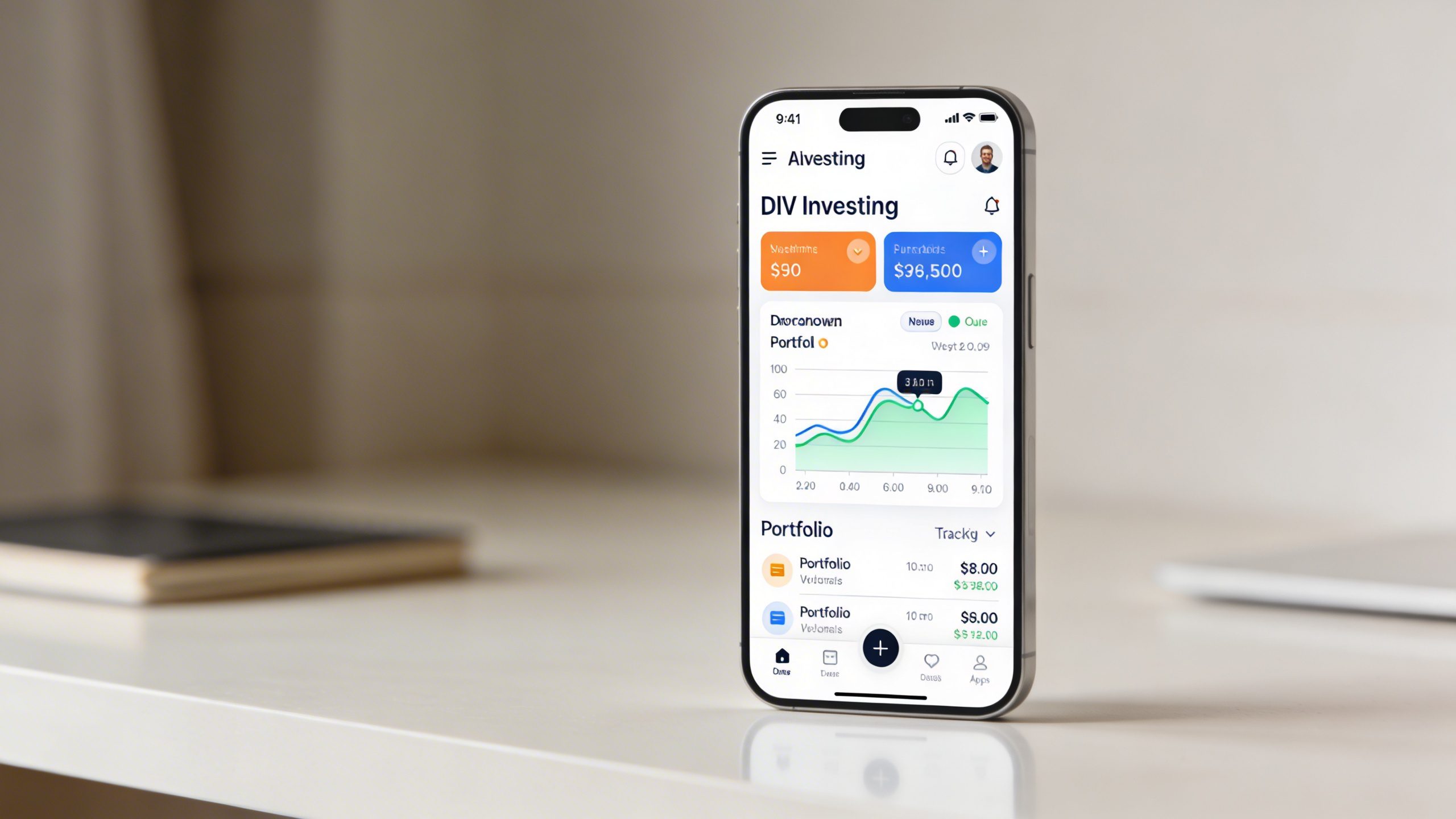
Picking the right platform matters almost as much as picking your investments. Look for these non-negotiables.
– Low or no account minimums: you don’t want to fund a dream with a paycheck-sized hurdle.
– Transparent fees: plain language, easy-to-calculate costs, no hidden “service” charges.
– Clean, intuitive interface: if you feel like you need a weekend boot camp to use it, you won’t use it consistently.
– Built-in education: watchlists, tutorials, and simple explanations help you learn by doing.
– Clear customer support: quick responses save you from panicking at 2 a.m. after a market dip.
FYI: some platforms bundle robo-advisory features with DIY accounts. If you want a hands-off vibe later, that’s fine. If you want full control now, ensure you can opt out of automation.
How to build your first portfolio in minutes
Yes, it can be fast. Here’s a bite-sized approach.
– Pick 2–3 core funds: one total stock market, one international, and a bond or cash option for ballast.
– Set up automatic contributions: even $25–$100 per week compounds, especially when you’re consistent.
– Rebalance yearly: you don’t have to do this monthly. A simple yearly check keeps you on target.
– Stay the course: markets swing. Your plan should survive the noise, not chase every trend.
A practical example:
– 60% total U.S. stock market index fund
– 25% international stock index fund
– 15% bond index fund
– Auto-deposit $150 monthly
Relax, you don’t need a PhD to manage this. You just need a rhythm.
How to stay disciplined without a coach
Discipline is the secret sauce here, and you can build it with tiny habits.
Automate everything
– Automate contributions, rebalance reminders, and even tax-loss harvesting if your platform supports it.
– Automation reduces decision fatigue and keeps you investing even when life gets busy.
Guardrails that actually help
– Set a personal “no-tapping” rule: don’t tinker with investments during big market moves.
– Create a quarterly review: check your goals, not every day’s news.
– Use dollar-cost averaging: fixed contributions reduce the impact of timing risk.
Learn in small bites
– Read 10 minutes a week on basics: compounding, fees, diversification.
– Watch a 5-minute explainer video every month.
– Celebrate small wins: you stuck to a plan for six months? Nice.
The point: you don’t need to become a market historian overnight. Baby steps stack up.
Know when to pivot or seek help
Starting solo doesn’t mean you’re stuck forever. There are moments you might want a pro, or at least a safety net.
– If you’re overwhelmed by taxes, tax-efficient accounts, or complicated holdings: a one-off consult can save money later.
– If you want more personalized planning: a fee-based advisor can tailor assets to life events (kids, home buying, career shifts).
– If your circumstances change dramatically: big life changes can justify a rethink of your plan.
The goal is to keep your costs and risk in line with your life. You’re steering, not blindly following.
Common pitfalls to avoid
Even the best DIY plans crash into a few avoidable mistakes.
– Overtrading: tiny fees add up when you’re buying and selling too often.
– Chasing hot forces: yesterday’s winners aren’t tomorrow’s heroes.
– Ignoring fees: mutual funds and brokers sometimes bury costs in sneaky ways.
– Skipping education: you don’t need a degree, but you do need to know enough to stay confident.
Push back against “fear-based investing.” If you’re buying because you read a sensational headline, back away and re-check your plan.
FAQ
Do I really need a financial advisor if I can do this myself?
Not at all. A DIY approach works for many people, especially beginners who want control and cost savings. An advisor can help with complex planning, tax optimization, or family wealth scenarios. If your situation stays simple, you’ll likely be fine on your own.
What’s the first thing I should open to start investing?
Open a low-cost, user-friendly brokerage or robo-advisor account. Look for no/minimal minimums, clear fee structures, and a simple way to automate deposits. Then pick 2–3 core index funds to begin.
How much should I invest initially?
Start with an amount you won’t miss. Even $100–$500 initial contributions set you on the path. The bigger driver is consistency: set up automatic contributions so you don’t rely on motivation.
How often should I rebalance?
Aim for once a year. If your portfolio gets dramatically out of balance due to a market crash or a windfall, you can rebalance sooner, but don’t overdo it. The goal is steady, not twitchy.
What about taxes—how do I handle them on my own?
Use tax-advantaged accounts where possible (like an IRA or 401(k) in the U.S.). Keep track of capital gains and losses, and consider tax-efficient fund placements. If taxes feel overwhelming, a one-time consult with a tax pro can save big later.
Is this really as simple as you make it sound?
Yes, with a few basics: low fees, broad diversification, a plan, and automated contributions. The details matter, but the core idea is surprisingly approachable: commit to a plan and let time do the heavy lifting.
Conclusion
You’ve got the curiosity, the time, and a frugal streak. Starting investing without a financial advisor isn’t about winging it—it’s about planning simply, choosing smart, and letting automation handle the drudgery. IMO, the best investor you’ll ever become is the one who sticks to a steady, low-cost plan and learns along the way. So build your portfolio, automate your contributions, and keep the long view. Your future self will thank you.