
Investing for Beginners Using Etfs: Quick Start Guide
Investing for Beginners Using ETFs is not magic, but it feels pretty close when you get the hang of it. You don’t need a Wall Street after-hours pass to start. You just need a plan, a little patience, and the right tool in your toolkit: exchange-traded funds.
What ETFs actually are (and why they’re worth a look)
ETFs are like a grab bag of stocks or bonds that you can buy in one go. Instead of buying 10 or 20 individual companies, you buy a single fund that holds a mix. It’s diversification without the drama of picking winners.
– They trade like stocks, so you can buy and sell during market hours.
– They come in all flavors: broad market, specific sectors, international, bonds, real estate, you name it.
– Fees are usually pretty friendly compared to mutual funds.
If you’re new to this, ETFs can feel like a cheat code for diversification without breaking the bank. FYI, not all ETFs are created equal—there are fees, liquidity, and tracking errors to watch for. That’s where the learning curve comes in.
Starting with a simple, sane plan
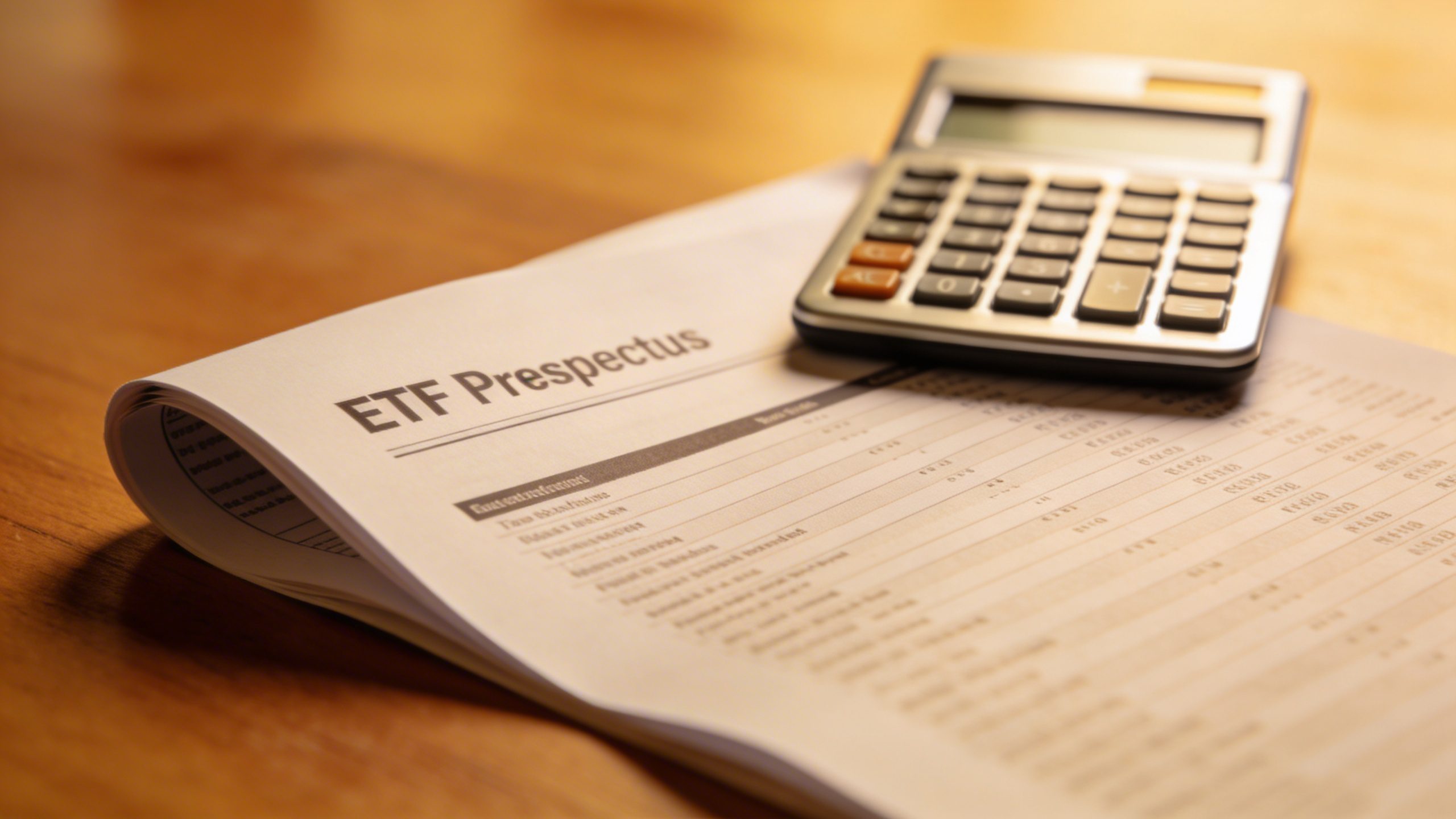
A practical plan keeps you from reacting to every market blip. Here’s a boringly effective starter approach.
– Pick a broad market ETF as your core. Think something like a total stock market or total international fund.
– Add a bond ETF or two for ballast if your timeline is a bit longer than a few coffee-fueled weeks.
– Decide how much you’ll contribute each month. Consistency beats timing.
Reasonable goals, realistic expectations, no magic money shortcuts. Do you want to retire early or just have a cushion? Your answer shapes your mix.
Choosing your core and a few satellites
This is where you stop pretending you’ll “beat the market” with a complicated strategy. You won’t, and that’s okay.
Your core: broad market exposure
– U.S. total stock market ETF: captures the entire U.S. equity landscape.
– Global or international ETF: adds diversification outside the U.S.
– Why both? Because geography matters, but avoid overthinking precise weights.
Tip: keep it simple. A single core ETF plus one international option often does the trick.
Satellites: a little tilt without the drama
A few add-ons can align with your curiosity without turning your portfolio into a science fair project.
– Sector ETF for curiosity, not for control: tech or healthcare exposure in small doses.
– Bond ETF for stability: shorter-duration or aggregate bonds to reduce volatility.
– Dividend-focused ETF if you like the idea of income, not the only reason to buy.
Remember: you’re not trying to time sectors; you’re exploring what you’re comfortable holding.
How to actually buy ETFs (the practical bits)

This should feel doable, not mysterious.
– Open a brokerage account: look for low fees, good tooling, and easy deposit options.
– Pick your first ETF(s) based on your plan. Start with one core, maybe one satellite.
– Set up automatic contributions. Treat investing like paying a bill you actually want to keep paying.
Order types do matter, but you don’t need fancy tricks to begin. A simple market or limit order is fine for most beginners. And yes, you’ll hear about spreads and liquidity—don’t panic, just avoid tiny, illiquid ETFs for your first picks.
Managing expectations: what you’re actually buying
Investing isn’t a sprint; it’s a long walk with occasional elevation drops. Here’s what to expect.
– Market swings happen. Your job is to stay the course, not pick a bottom.
– Fees matter more than you think. Even small differences compound over years.
– Diversification isn’t a magic shield, but it’s a protective cloak. It reduces the worst of the worst bets.
If you’re feeling overwhelmed, breathe. IMO, the simplest path is the most sustainable path.
Risk, psychology, and staying sane
Let’s be real: money is emotional. ETFs don’t care about your feelings, but you should.
– Create a rule for when you’ll rebalance. A quarterly check-in works for many.
– Don’t chase performance. The number one mistake is buying the hottest thing and selling after a drawdown.
– Have a plan for what you’ll do if the market drops 20% or more. A pre-made response keeps you from panicking.
Answer yourself this: would you still buy into your core if prices were half? If yes, you’re probably in the right mindset.
Tax considerations and accounts
You don’t need to become a tax expert, but a rough map helps.
– Taxable accounts vs. tax-advantaged accounts: use tax-advantaged accounts for long-term growth when possible.
– Watch for capital gains taxes when you sell. ETFs are flexible, but taxes still play along.
– Some ETFs distribute dividends. If you hold in a taxable account, you may owe taxes on them.
FYI, a little planning goes a long way. You don’t need to be a CPA to optimize a basic ETF strategy.
How to stay curious without losing your mind
Your journey should be fun, not a chore.
– Read a little, often. Follow a couple of trusted sources, not the entire internet.
– Revisit your plan at a cadence that matches your life, not your horoscope.
– Celebrate boring milestones: a consistent contribution, a rebalance that actually makes sense, a tax-efficient move.
Remember: the boring path often wins in the long run. That’s not a burn, it’s victory.
Deeper dive: what makes an ETF good for beginners?
– Low expense ratio: keep more of your money working for you.
– Liquidity: tighter spreads mean easier buying and selling.
– Transparent holdings: you should understand roughly what’s inside.
– Diversification: enough breadth to reduce single-company risk.
Deeper dive: common beginner mistakes to avoid
– Overcomplicating your mix: fewer, well-chosen ETFs often beat many tiny bets.
– Ignoring fees: even small fees add up over time.
– Trying to time the market: it rarely ends well for beginners.
– Forgetting to rebalance: your plan needs upkeep.
FAQ
Q: Do I really need to invest in both domestic and international ETFs?
A: Not immediately. A solid core of broad domestic exposure with an optional international sleeve works for many beginners. You can add international later as you grow more comfortable.
Q: How much should I invest as a beginner?
A: Start with what you can afford consistently—even small monthly amounts add up. The key is regularity, not a huge upfront windfall. Set a realistic target and stick to it.
Q: Are ETFs safer than picking individual stocks?
A: They’re generally safer for beginners because they spread risk across many holdings. You still face market risk, but you dodge company-specific shocks a single stock might suffer.
Q: How often should I rebalance?
A: Many beginners do a quarterly rebalance. If your life changes a lot (new job, new goals), adjust more often. The goal is to keep your target mix intact, not chase hot trends.
Q: What if the market crashes after I start?
A: It happens. Stay calm, keep contributing, and remember that a diversified ETF plan weaponizes time in your favor. Your future self will thank you for staying the course.
Conclusion
ETFs aren’t a secret club—you just need to start somewhere and stay the course. Begin with a simple core, add a couple of lightweight satellites, and automate your contributions. You’ll build resilience through small, steady moves rather than heroic guesses. IMO, that’s the sane way to grow wealth without turning investing into a full-time job. So grab a cup of coffee, pick your first ETF, and get started. You’ve got this.