
How to Invest Automatically Each Month: Simple Wealth
Investing automatically every month isn’t just smart—it’s boringly brilliant. You set it up, forget about it, and watch your future self thank you later. No drama, no stressing over market timing, just a clean plan that works while you sleep. Ready to automate your money moves like a pro?
Why automate investing in the first place
Automating removes the guesswork and the excuses. You don’t have to remember to transfer funds or juggle a bunch of bills. The system handles it for you, so you stay consistently invested. FYI, consistency beats fancy timing any day of the week.
– You turn a scattered habit into a steady routine.
– You reduce the temptation to spend rather than invest.
– You stick to a plan even when markets wobble.
If you’ve ever skipped a month of savings, you know the drag. Automating is the antidote.
Pick a simple, sane plan: what are you investing in?
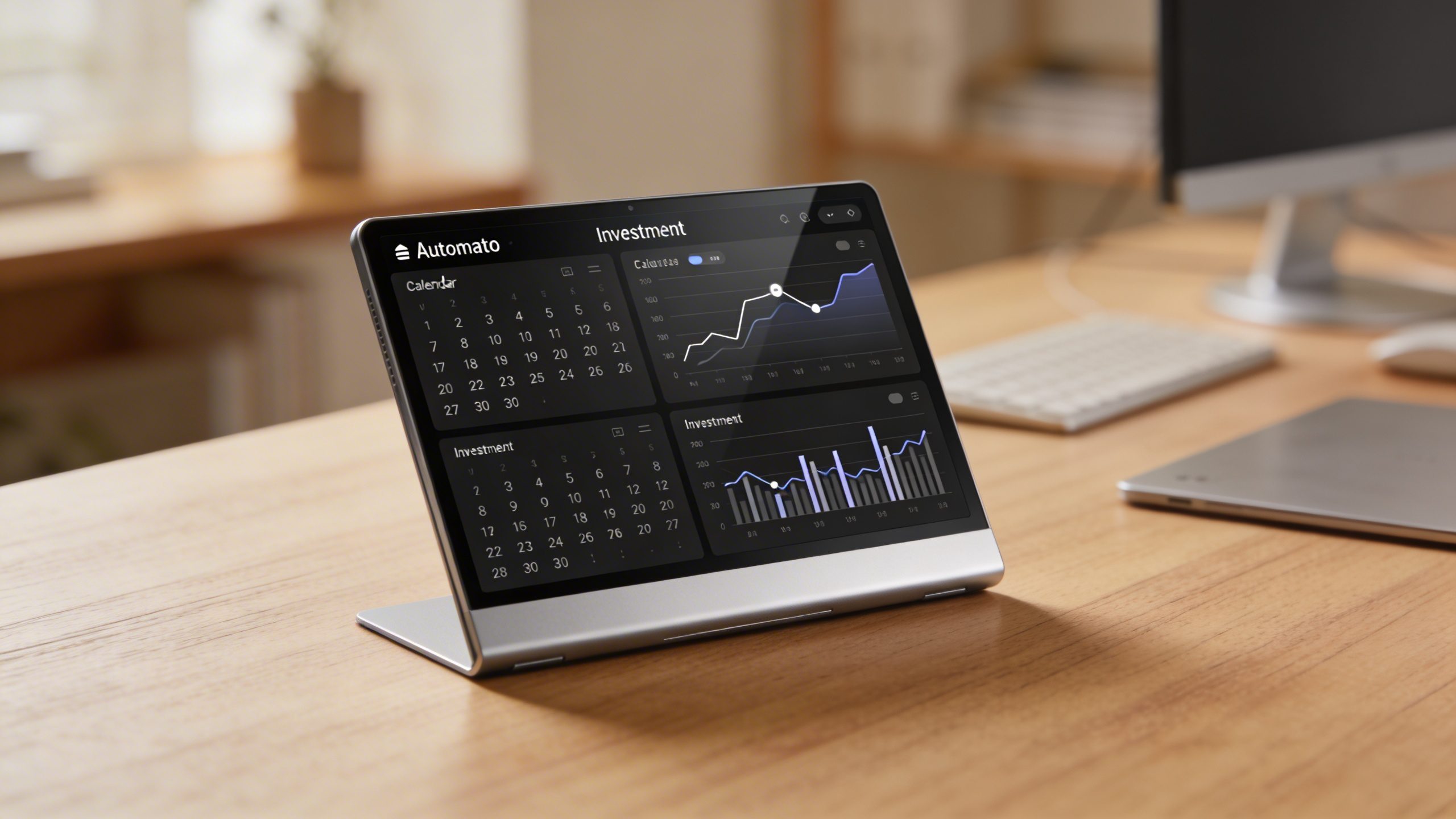
Your autopilot can cover more than one asset class, but keep it manageable. A straightforward mix helps you resist overthinking.
– Core asset choices:
– Broad-market stock index funds or ETFs for growth.
– Bond funds or ETFs for ballast and lower volatility.
– Optional: international exposure to diversify beyond your home market.
– How much to start with:
– Start with whatever you can reliably contribute each month.
– Consider a percentage of your take-home pay rather than a fixed dollar amount if your income fluctuates.
– Rebalancing:
– Decide a target mix (for example, 70/30 equity/bonds).
– Rebalance periodically so you don’t drift into a riskier or more cautious stance than you intended.
If you’re unsure about the exact mix, start with a target date or a ready-made All-Weather or life-stage fund. IMO, simplicity wins here.
Set it up: the mechanics of monthly autopilot
Here’s the practical, no-nonsense setup path. If you’ve never automated before, you’ll be surprised how fast this happens.
Step-by-step: getting the automation in place
– Choose your broker or robo-advisor that supports automatic recurring transfers and investments.
– Link your bank account and set up a recurring transfer for your chosen day each month.
– Decide your contribution amount and the exact investments to purchase with that amount.
– Enable automatic contributions to a diversified portfolio (even a single target-date fund can work).
– Confirm the orders and note the dates for easy monitoring.
– Test drive: run a one-time purchase to confirm everything works before you rely on it. Better to check now than learn the hard way.
Timing hacks that actually matter
– Schedule on payday or right after a consistent income arrives.
– Avoid trying to time the market; you’re not a stock-picking guru on autopilot.
– If you can, set to invest a fixed amount rather than a fixed number of shares. It reduces the drama during market swings.
FYI, most people invest more effectively when they automate and forget. If you’re panicking at every downturn, consider adding a bit of a cash buffer to avoid forcing sells.
What happens if markets dip? Staying the course without drama
A monthly plan is built to ride out volatility. You won’t panic-sell, and you won’t chase returns.
– You buy more shares when prices are lower (dollar-cost averaging in action).
– You buy fewer shares when prices are higher, which helps smooth returns over time.
– You maintain long-term focus, not short-term noise.
Sometimes fear sounds loud, but your future you will thank you for not hitting the panic button every time headlines scream. IMO, a calm plan beats gut feelings every time.
Account for fees and keep it lean
Fees can quietly erode your gains if you don’t pay attention. Automating helps, but you still need to optimize.
– Favor low-cost index funds or ETFs rather than flashy active funds.
– Check management fees, transaction costs, and any advisor charges.
– Watch for minimum balance requirements that could trip you up.
– Practical tips:
– Use a single, low-cost plan for simplicity.
– If you’re using a robo-advisor, compare their fee structure with DIY options.
– Reinvest dividends automatically to keep compounding on track.
The goal is to keep more of your returns in your pocket, not paying it to friction and fancy marketing.
Tax considerations without the cringe-worthy jargon

Taxes matter, but you don’t need a tax degree to handle them.
Tax-advantaged accounts can boost your overtime
– If you’re in a country with tax-advantaged accounts (like a 401(k), IRA, RRSP, or similar), prioritize funding those first.
– Automatic contributions to tax-advantaged accounts can grow tax-deferred or tax-free, depending on the account type.
Taxable accounts aren’t the enemy
– Use tax-efficient funds when possible.
– Be mindful of capital gains distributions; some funds distribute gains annually.
– Consider tax-loss harvesting if your platform supports it and you’re comfortable with the nitty-gritty.
Keep it simple: automate the core plan in tax-advantaged buckets first, then top off with taxable investments if you want more exposure.
Keeping motivation alive: tracking with minimal friction
Automation is great, but you still want to know it’s working. The trick is to keep monitoring painless.
– Quick monthly snapshot:
– What was invested this month?
– Did you hit your contribution target?
– Is your overall allocation still aligned with your plan?
– Quarterly or semi-annual check-ins:
– Rebalance if needed.
– Review any changes in your life: salary, goals, time horizon.
– Tools that help:
– A simple dashboard in your broker app.
– A lightweight budgeting/vision board to connect goal to numbers.
– FYI: if you’re techy, a basic alert system can ping you when a transfer fails or when a rebalance is due.
The key is to keep it light. You don’t need a PhD in finance to trust the process.
FAQ
Do I need a large starting sum to automate investing?
You do not. Start with whatever you can reliably contribute each month. Even small, consistent amounts compound over time. The automation value is in the habit, not the size.
What if I miss a month or want to pause automation?
Most platforms let you pause or adjust contributions quickly. Your plan remains intact; you’ll simply resume when you’re ready. Don’t panic—plans are flexible.
Is automation really better than manual investing?
Automation reduces decision fatigue and keeps you consistent. It doesn’t guarantee higher returns, but it reduces the chance you’ll derail your plan due to emotions or busy weeks. IMO, that’s worth a lot.
How often should I rebalance an automatically managed portfolio?
Many people rebalance annually or semi-annually. If you’re risk-averse or your allocations drift significantly, a quarterly check-in is reasonable. The key is to stay aligned with your target risk level.
Can automation be set up for taxable accounts as well as tax-advantaged ones?
Yes. You can automate contributions to both, but prioritize tax-advantaged accounts first. Once those are funded, you can layer in taxable investments to broaden exposure.
Conclusion
Automating monthly investments is a quiet superpower. You build wealth with minimal daily friction, no drama, and a plan you actually follow. Start with a simple mix, set up recurring contributions, and check in occasionally without turning into a spreadsheet psycho. Your future self will send a thank-you note in the form of financial peace and a growing portfolio. If you’re wondering where to begin, pick a low-cost index approach, dial up a monthly amount you can sustain, and push the start button. IMO, the simplest plan is often the best plan. Let automation do the boring work while you enjoy the fringe benefits of steady progress.