
Investing Tips for Beginners Who Feel Behind and Still Move Forward
I know that sinking feeling when your friends text about their “amazing crypto gains” and you’re still trying to find your spare change. If you feel behind on investing, you’re not alone. You can still get moving without a crystal ball or a magic tick-tock. Let’s break it down, one sane step at a time.
Start with where you are, not where you wish you were
If you’re overwhelmed, you’re probably looking at everything at once. Slow it down. Your first move is to assess your current finances.
- Track income, expenses, and debts in a simple notebook or app.
- Know your emergency fund sweet spot (usually 3–6 months of expenses).
- Identify what you can comfortably invest each month without starving your budget.
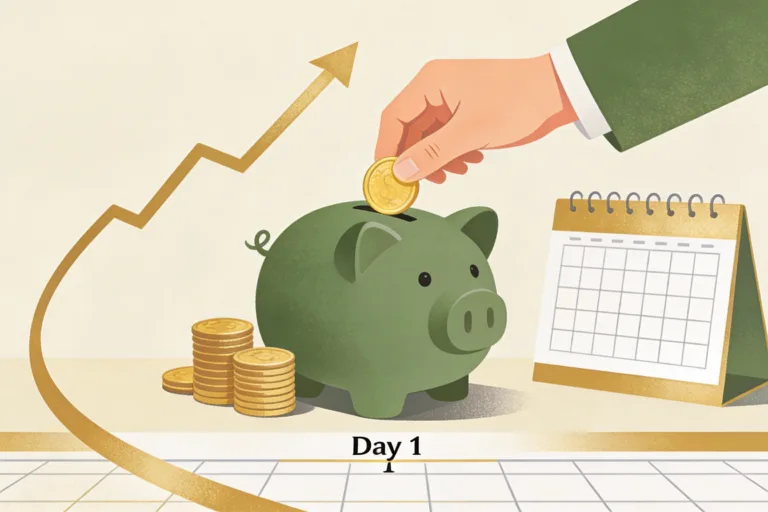
Ask yourself: what’s the smallest, realistic amount I can start with this month? Yes, even $25 counts. The goal isn’t to hit a homerun on day one; it’s to start batting.
Set clear, boringly practical goals

Investing without goals is like driving with a shuffled playlist and no destination. You’ll drift.
- Define your time horizon: 1 year, 5 years, 10 years, or longer.
- Decide your risk tolerance in plain language: I’m okay with swings if I can sleep at night, or I want something steadier even if it grows slowly.
- Pick 1–2 core goals (e.g., be able to cover six months of expenses, retire early, save for a big purchase).
FYI, goals help you choose investments that fit your vibe instead of chasing crowd favorites.
Start with the basics: low-cost, diversified options
You don’t need to become a stock-picking genius overnight. The simplest, most effective approach for beginners is broad diversification with low costs.
Why broad diversification matters
It reduces risk by not putting all eggs in one basket. You’re spreading exposure across different sectors and asset classes so a single bad quarter doesn’t wreck your plan.
Where to begin
- Broad-market index funds or ETFs that track entire markets.
- Low-cost bond funds for ballast if you’re worried about volatility.
- Target-date funds can be a hands-off option for retirement goals.
Pro tip: keep expense ratios under 0.2% if you can. Fees are tiny leaks that ruin big horizons.
Automate everything you can

Automation is your best friend when you feel behind. It minimizes decision fatigue and prevents “I’ll start tomorrow” from turning into “never.”
- Set up automatic monthly transfers from checking to your investment account.
- Choose a default investment option and stick with it for 6–12 months before changing course.
- Rebalance annually to maintain your target allocations—let the robo-advisor or your broker handle the math.
If you’re worried about timing, automation beats trying to time the market every time.
Education without the doomscroll
Learning matters, but you don’t need a finance degree to get started. Build a tiny library of essentials and grow as you go.
Basic concepts to know (fast)
- Stocks vs. bonds: ownership vs. IOUs from governments/companies.
- Diversification: not putting all your money in one place.
- Dollar-cost averaging: investing a fixed amount regularly, regardless of price.
- Compound growth: your money earning money on top of money.
IMO, the best education is action + quick wins. Small bets, big learnings.
Protect your peace of mind with smart risk controls

Being behind isn’t a status—it’s a motivation to protect your future. Use simple controls to keep risk in check.
Practical risk checks
- Limit single-asset exposure: don’t put more than 5–10% of your portfolio in one stock or crypto, especially as a beginner.
- Tune your bond exposure as you age or as risk tolerance shifts.
- Set loss limits or automatic stop-loss rules if you’re uncomfortable with big swings.
Remember: investing is a marathon, not sprinting on a caffeine high.
Build a tiny, sane plan to catch up (without burning out)
If you feel behind, a practical plan beats guilt and frantic Googling.
- Pick a monthly contribution amount you can sustain for 12 months straight.
- Automate rises: increase your contribution by 1–2% every quarter if possible.
- Review once a quarter: what worked, what didn’t, and adjust without drama.
Mini-plan example
- Open a basic investment account with a broad-market ETF.
- Set up automatic $50 per month transfers.
- Link a 1–2% salary bump to investments for the next 12 months.
What to do if you’ve missed the boat before
Yep, you might feel late to the party. Newsflash: there isn’t just one party—and you don’t need to arrive early to have a good time.
- Start today, not next week. Momentum beats perfection.
- Don’t compare to friends with different incomes or risk tolerances. Your plan is yours.
- Seek help if you need it: a simple financial planning chat or a robo-advisor setup can do wonders.
FAQ
Is it ever too late to start investing?
It isn’t. The sooner you start, the more time your money has to compound, but starting now beats waiting until things are “perfect.”
What should beginners invest in first?
Start with broad, low-cost index funds or ETFs that cover large portions of the market. Add bonds for stability if you want less volatility.
How much should I invest monthly as a beginner?
Invest what you can without sacrificing essentials. Even small, consistent amounts beat big, sporadic bets. Increase gradually as you become more comfortable.
Do I need a financial advisor?
Not right away. A basic plan can be DIY with good resources. A pro can help with complex goals or high stakes, but many beginners do fine with robo-tools and steady learning.
How do I stay motivated when the market dips?
Remember your long-term goals and stick to your plan. Dips are normal; they’re not a signal to abandon ship. Revisit your allocations and automation, not your emotions.
Conclusion
You don’t have to be a whiz to start investing confidently. Get a grip on your numbers, set clear goals, and automate your path forward. Start with simple, low-cost, diversified choices, and let time do the heavy lifting. Before you know it, you’ll look back and realize “behind” was just a temporary stop on your way to smarter money moves. FYI, consistency beats brilliance every time. You’ve got this.