Best Budget Planner Bundle for Beginners: Simple Start Guide
I’m not saying you’re a cluttered inbox person, but your desk is basically a literal doodle pad for chaos. If you’re ready to finally get a grip on your finances without losing your sanity, the Best Budget Planner Bundle for Beginners is a solid starting point. It’s not about being perfect from day one—it’s about making small, smart moves that actually stick.
What makes a budget planner bundle worth it for beginners
If you’re new to budgeting, you don’t need fancy gimmicks or a PhD in spreadsheet theory. You need clarity, ease, and a little push in the right direction. A great budget planner bundle should include:
- Simple templates you can actually fill out without a math degree
- Clear instructions or a quick how-to guide
- Flexibility to adapt as your finances change
- Aesthetics that don’t make you want to throw the planner out the window
This kind of bundle helps you start, not overwhelm you with options you’ll never use. FYI, it’s totally okay to start tiny—think a single month of expenses—then scale up as you gain confidence.
What to look for in a beginner-friendly bundle
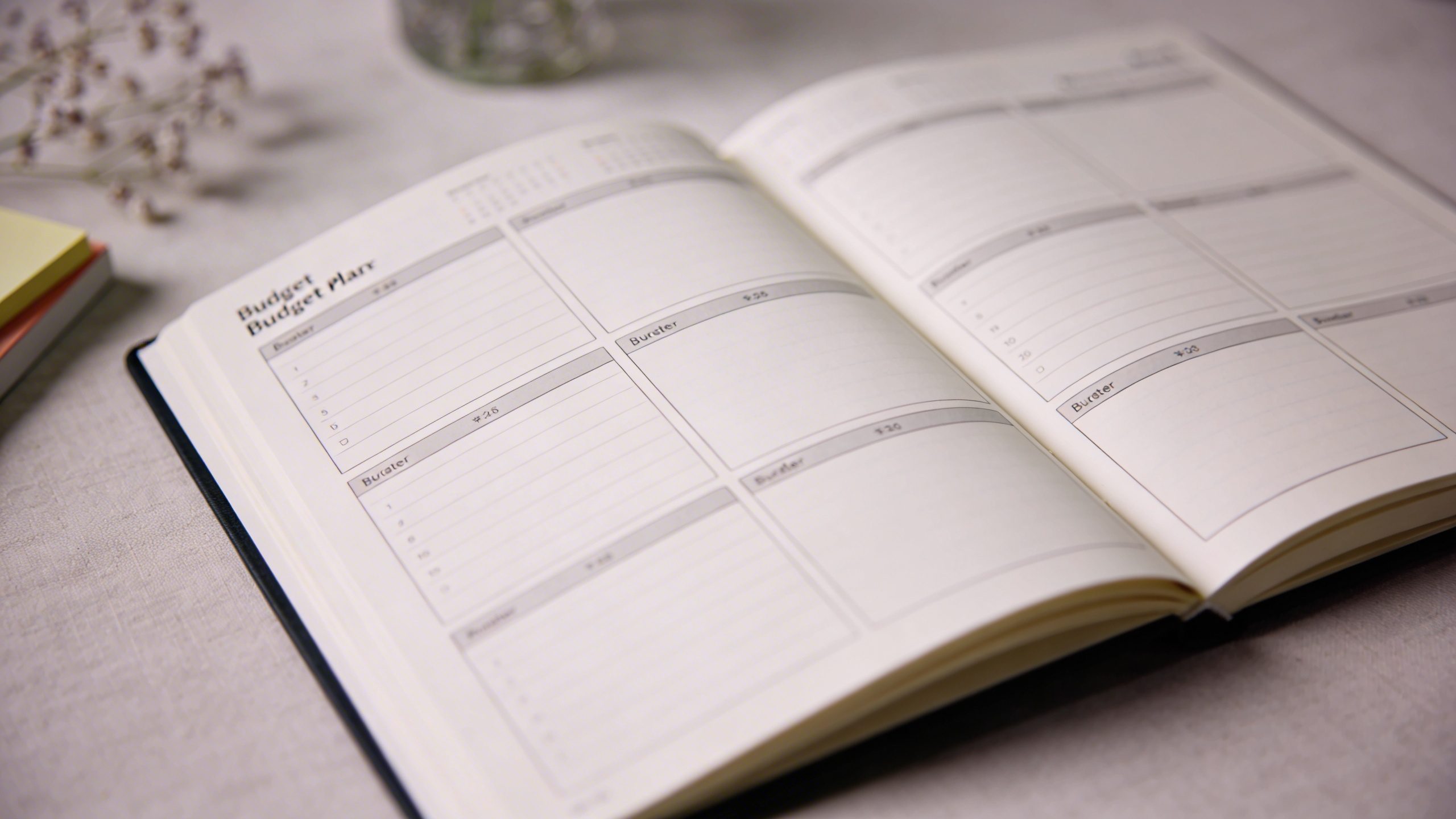
Choosing the right kit is half the battle. Here’s what to scan for before you click “buy”:
- Clear category names: Income, essentials, savings, debt, discretionary
- Blank and fill-in templates: Don’t rely on auto-populated numbers
- Printable and digital options: PDF, Google Sheets, or Excel are all good—pick your vibe
- Budgeting method compatibility: zero-based, envelope, or 50/30/20—find your groove
- Progress tracking: a simple way to see if you’re inching toward goals
If a bundle hides features behind extra purchases or requires you to memorize a manual, walk away. You’re here for momentum, not maze-running.
Myth-busting: common beginner fears
- “I’ll never understand spreadsheets.” Pretty sure you’ve used worse apps. Start simple—templates do the heavy lifting.
- “Budgeting is restricting.” It’s actually freedom: you decide where money goes, not vibes on the internet.
- “This won’t fit my lifestyle.” True budgets evolve. A good bundle supports flexibility, not rigidity.
Practical starter templates you’ll actually use
If a bundle includes a few go-to templates, you’re halfway there:
- Income tracker: one place to see what’s coming in
- Expense categories: essential, flexible, and savings buckets
- Monthly cash flow: a simple snapshot of money in vs. money out
- Debt payoff or savings goals: small targets that add up
These aren’t vanity projects—they’re the real bones of your budget. Use them for four weeks, then tweak.
Budgeting methods that pair well with beginner bundles

There isn’t a single “best” method; there’s a best method for you. Here are couple of friendly matchups:
Zero-based budgeting
Every dollar has a job. You allocate income down to the last cent, then watch your spending align with your goals. It’s satisfying when you see a plan turn into action.
50/30/20 rule
Nice and forgiving: 50% needs, 30% wants, 20% savings/debt. It’s great for beginners who want structure without micromanaging every purchase.
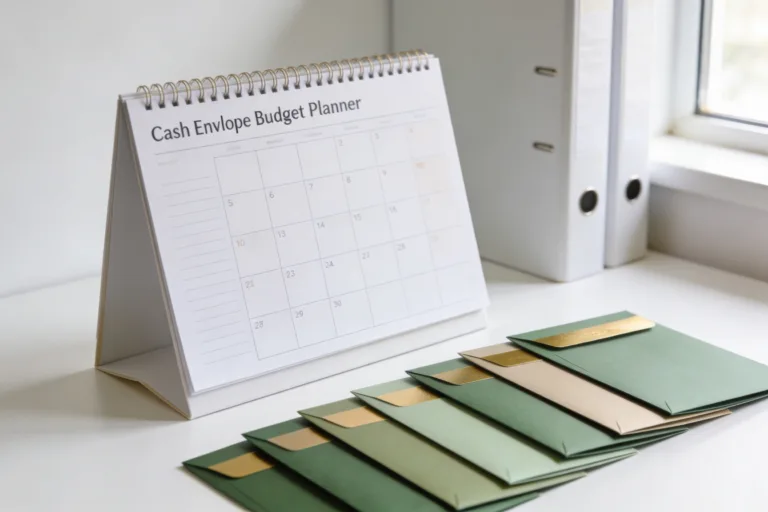
Envelope system (digital or physical)
Put money into labeled envelopes or digital equivalents. When the envelope is empty, you’re done spending in that category. Simple, tangible, and surprisingly effective.
Tools and formats in a budget bundle
Different folks thrive on different formats. Here’s what you might encounter:
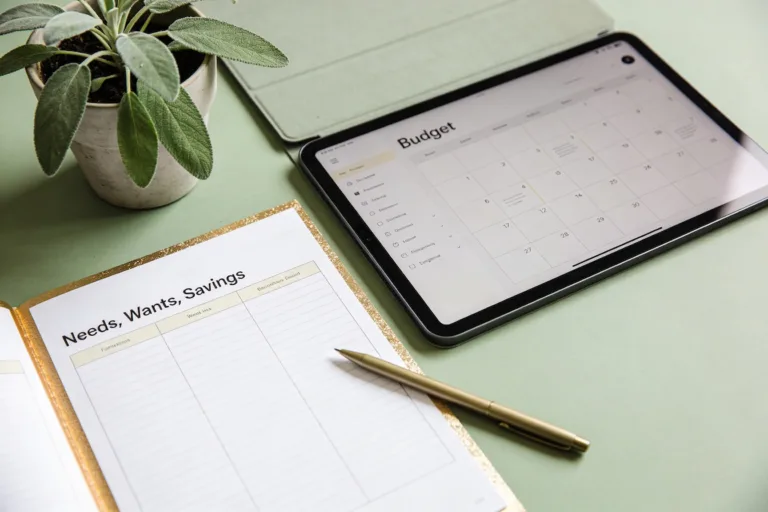
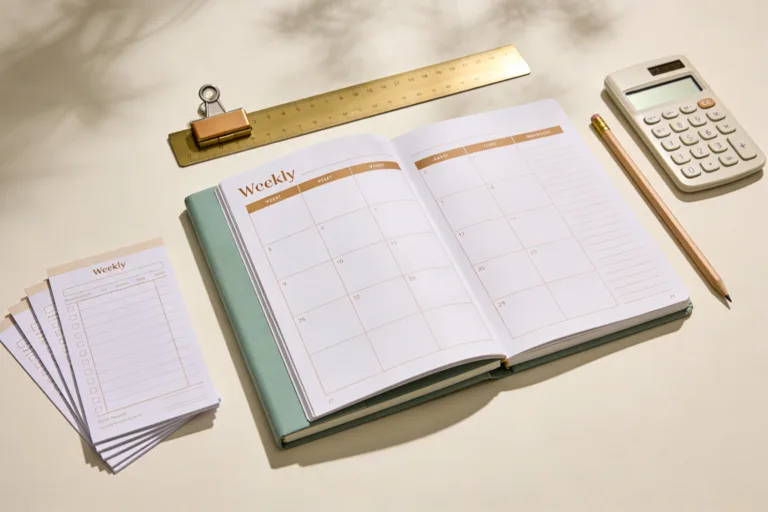
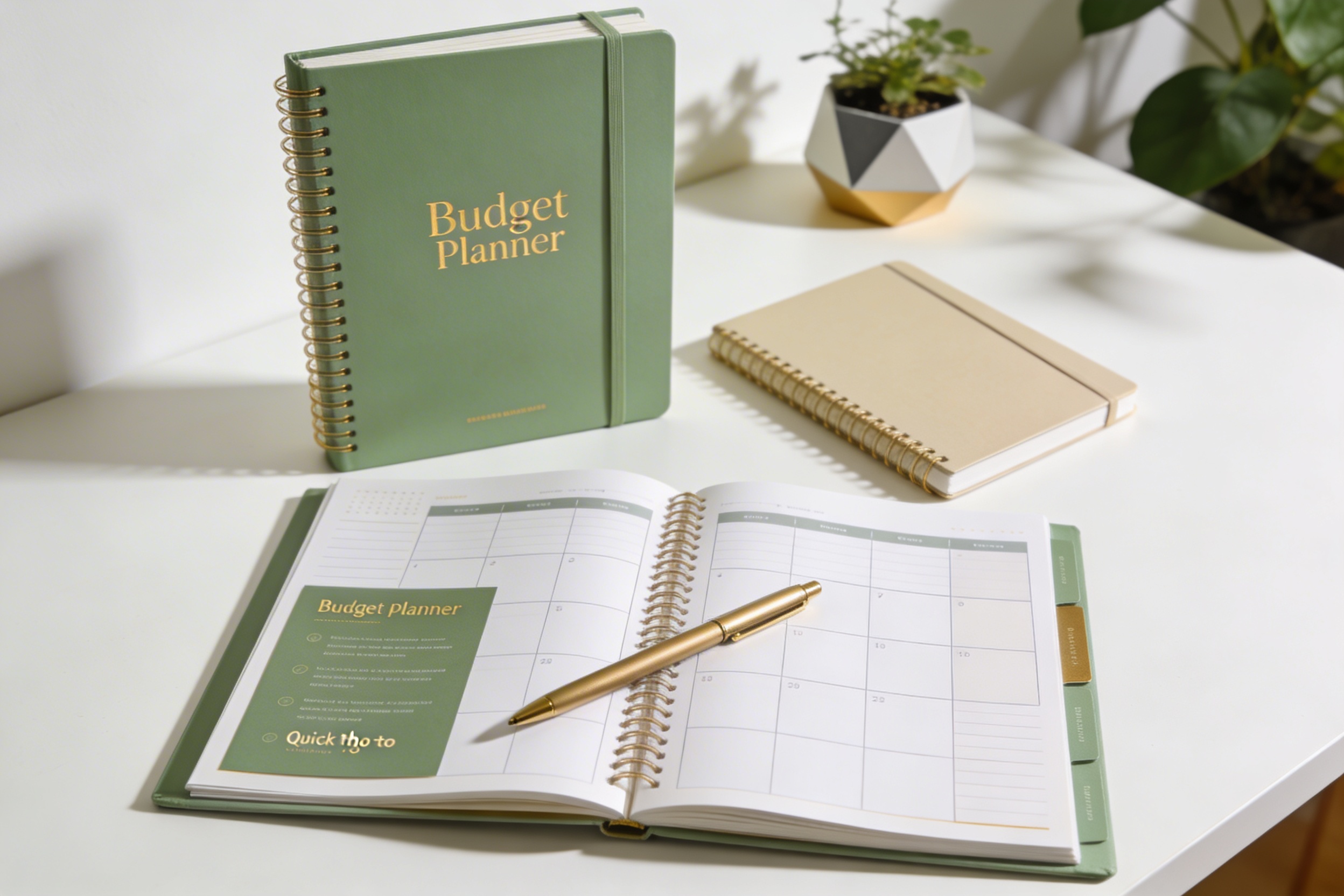
- Printable worksheets: great for offline planning sessions and journaling your progress
- Digital planners: Google Sheets, Excel, or app-based options for on-the-go updates
- Visual dashboards: graphs or charts that show you where you’re heading
- Checklists and monthly review prompts: keeps you accountable without nagging you
If you learn by doing, a bundle with both printable and digital options is ideal. You can print a week’s worth of prompts or update a live spreadsheet while you sip coffee.
Deeper dive: how to customize a beginner bundle to your life
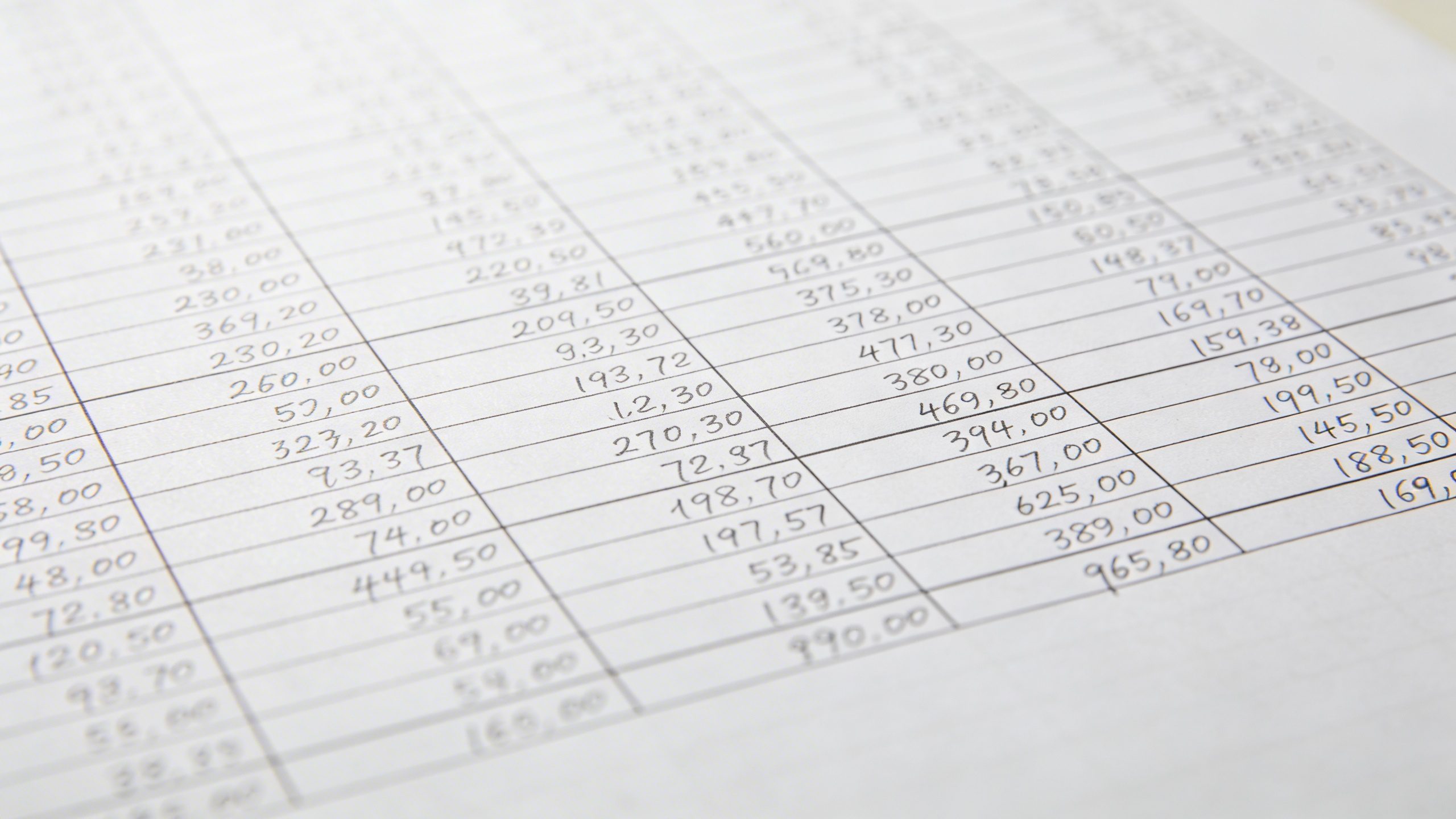
Start with your real numbers
Grab last month’s statements and jot down actual incomes and bills. Don’t guess. Real numbers are your fastest path to a usable budget.
Create a simple chart for visibility
A quick line or bar graph showing income vs. expenses for the month makes it easy to spot leaky categories. FYI, small changes compound—literally.
Set one tangible target
Pick one goal—save for an emergency fund, pay off a small debt, or cut one recurring expense. One concrete target beats a dozen vague goals.
Common beginner pitfalls—and how to dodge them
- Overcomplicating the setup. Keep it lean for 2–4 weeks to build the habit.
- Ignoring irregular income. If you’re freelance, plan for lean months by padding the buffer.
- Not reviewing. A budget that isn’t checked monthly drifts into oblivion. Schedule a 15-minute review.
Tips to stay consistent
- Pick a regular time for your budget check-in—Sunday evenings work well for many
- Automate what you can: transfers to savings, bill payments, etc.
- Celebrate small wins: hitting your savings target deserves a mini-celebration
What customers love in the Best Budget Planner Bundle for Beginners
This bundle tends to win fans with:
- Clear, non-intimidating language
- Versatile formats that suit both paper-loving and digital-preferring folks
- Strong guidance without spoon-feeding every tiny decision
- Practical examples and quick-start tips
IMO, the best part is how approachable it feels. Budgeting stops feeling like a chore and starts feeling like you’re setting yourself up to win.
FAQ
Is this bundle really beginner-friendly or is it just repackaged debt traps?
It’s genuinely beginner-friendly. It comes with simple templates, quick-start guides, and room to grow. If a bundle tries to lock you into a niche method and makes you guess, that’s your cue to shop around. You want clarity, not confusion.
Will I need to buy software or apps to use it?
Not necessarily. Most bundles offer both printable PDFs and digital formats like Google Sheets or Excel. You can start with paper, then transition to a digital version if you want easier updates. Either way, you’re covered.
How long does it take to set up the bundle?
Setup often takes 15–30 minutes for a basic month, plus a weekly 10-minute review. If you’re juggling a busy schedule, a brief, consistent ritual beats a marathon session once a month.
What if I outgrow the bundle?
That’s the point of a bundle designed for beginners: it scales with you. Look for options that offer additional templates, envelopes, or dashboards you can add as you get more confident.
Can I use it to save for multiple goals at once?
Yes. Most bundles include separate savings buckets or goals, so you can juggle an emergency fund, travel fund, and debt payoff without mixing dollars up.
Conclusion
If you’re ready to stop fantasizing about financial control and start actually owning it, this Best Budget Planner Bundle for Beginners might be your new best friend. It’s not about perfection from day one; it’s about momentum, habit formation, and a dash of accountability. Start with a simple month, tune as you go, and celebrate every small win along the way. FYI, you’ve got this—one intentionally planned dollar at a time.