How to Create a Budget Planner That Works for Real Life
You know what they say: a budget that works feels like a win, not a shackled fist. Let’s cut the fluff and get you a plan that sticks. No doom-and-gloom spreadsheets here—just a practical approach you’ll actually enjoy using.
The core idea: plan what you actually spend
If your budget doesn’t reflect your real life, it’s destined to fail. Start by listing the big stuff you pay every month, plus a few variable items you’re willing to adjust. Then, give every dollar a job. Yes, even that $5 coffee fund.
Step 1: gather your data without drama

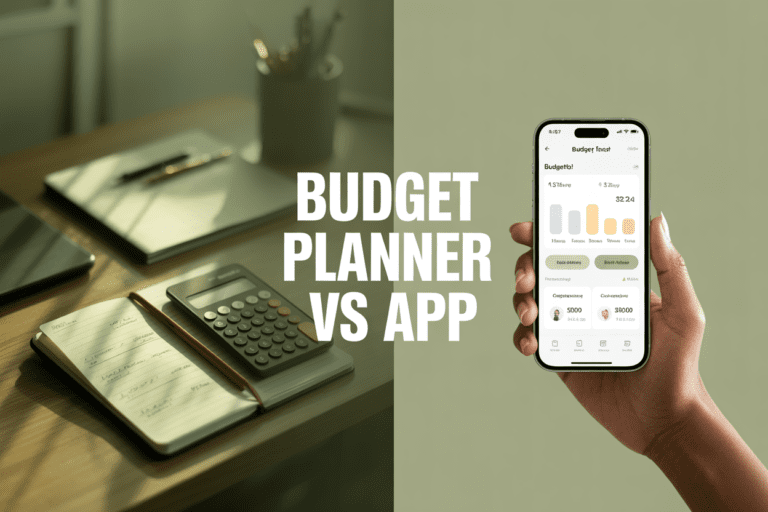
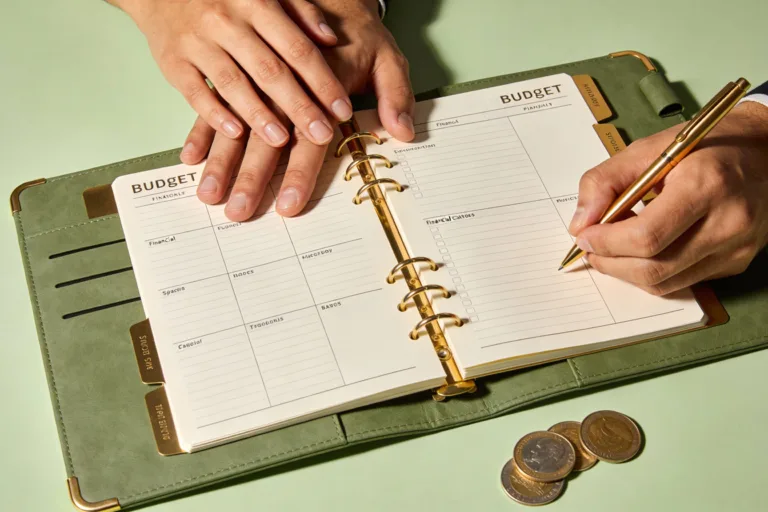
– Track what you actually spend for 2–4 weeks. Use a spreadsheet, an app, or good old pen and paper—your call.
– Group expenses into categories: housing, groceries, transportation, utilities, debt, savings, fun money.
– Identify non-negotiables (rent, loan payments) and negotiables (eating out, streaming services).
Subsection: quick-start tracking tips
– Do a 7-day snapshot to avoid overwhelming yourself.
– Capture receipts or push-to-keep receipts in a single folder.
– Don’t worry about perfection—aim for a usable baseline, not a perfect ledger.
Step 2: set sane, human-friendly targets
Nobody loves a budget that says “you’re broke forever.” Instead, aim for targets you can actually hit.
- 50/30/20-ish rule as a starting point: 50% needs, 30% wants, 20% savings/debt. Adjust to your life, not the other way around.
- Feel-good savings—automatic transfers to a savings account make you look forward to balance day.
- Debt, then snowball or avalanche—decide whether you tackle smallest balances first or highest interest first.
Subsection: practical target setting
– If rent is $1,200, utilities average $150, groceries $400, and gas $100, you’re at about $1,850 before savings and debt. Give yourself $200 for “fun stuff” and a $200 buffer for curveballs. Boom, a realistic baseline.
Step 3: build a budget that actually obeys you

This is where the magic happens. Your budget shouldn’t tell you what you can’t do; it should empower you to decide what you will do.
- Create categories with distinct lines in your sheet or app. Don’t lump everything under “misc.”
- Assign every dollar a destination. Zero-based budgeting isn’t just for nerds—it prevents drift.
- Cap the variable stuff (groceries, entertainment) with a ceiling you won’t hate hitting.
- Automate the boring stuff—payments, transfers, and reminders. Less mental clutter, more momentum.
Subsection: example category setup
– Housing: $1,200
– Utilities: $150
– Groceries: $350
– Transportation: $120
– Debt: $150
– Savings: $250
– Fun/Extras: $150
– Buffer: $30
Step 4: embrace a budget that evolves
A budget isn’t a tattoo; it’s a living document. Your life changes, your goals shift, and your plan should adapt with a smile.
- Review weekly for 10–15 minutes. If you’re not checking in, you’ll drift.
- Adjust as you learn—if groceries creep up, tweak the category rather than abandoning the entire plan.
- Seasonal tweaks—holidays, birthdays, vacation months require a temporary bump in certain categories.
Subsection: when to push pause
If you’re consistently overspending in a category, either reduce that category or increase income temporarily. No heroics—consistency beats perfection.
Step 5: automate, then celebrate small wins
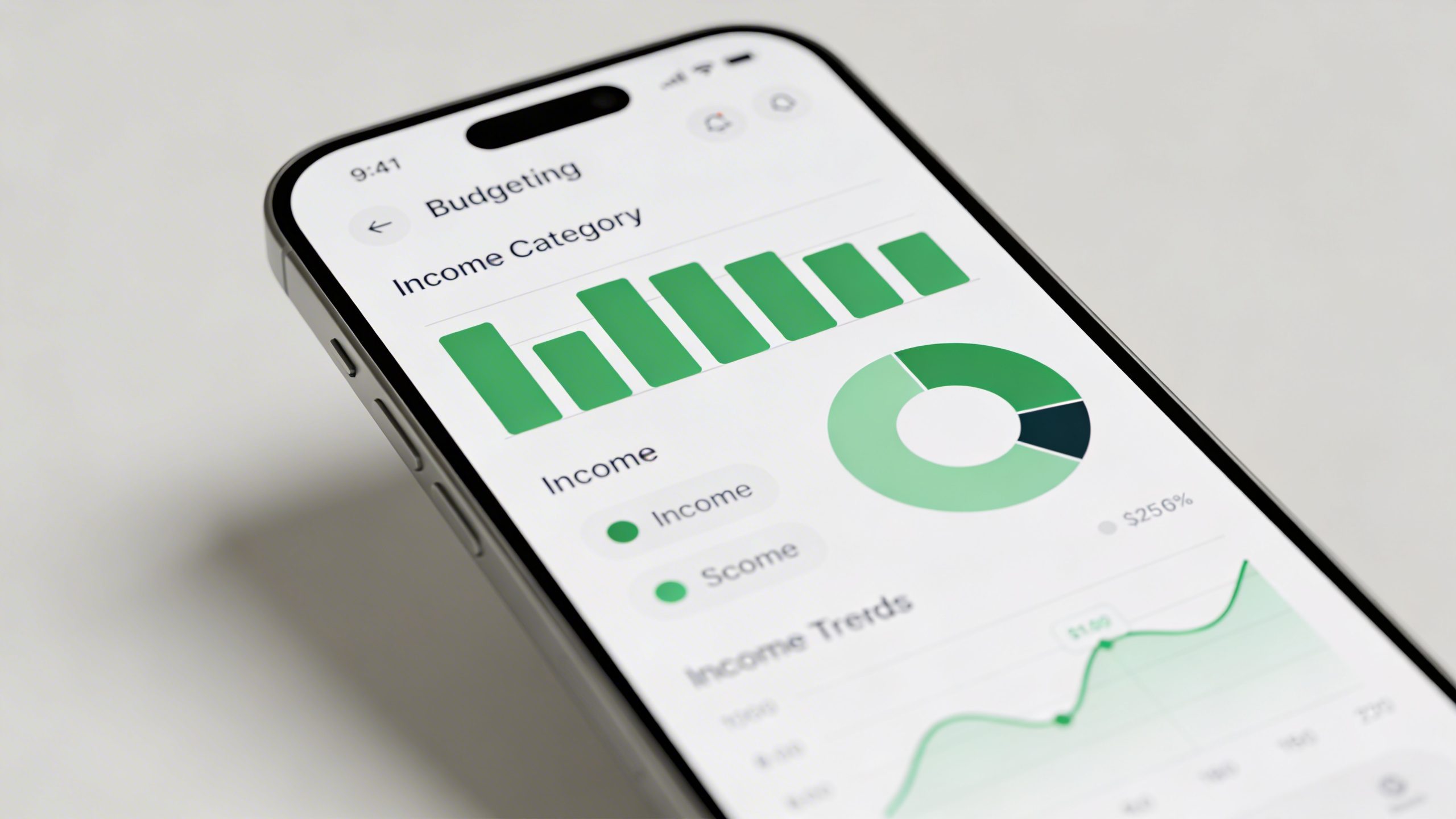
Automation makes discipline lazy-friendly and boring-proof.
- Set automatic transfers to savings and debt right after payday.
- Auto-pay essentials to avoid late fees and stress.
- Reminders for budget review days and goal check-ins.
Subsection: the psychology of wins
Small wins fuel momentum. If you hit your groceries limit this week, treat yourself to a tiny victory, not a guilt trip. FYI, momentum matters more than perfection.
Step 6: tools that actually save time (and sanity)
You don’t need a fancy setup to succeed. Pick one lean method and ride it.
- Spreadsheet vibes with simple formulas to sum categories and display savings progress.
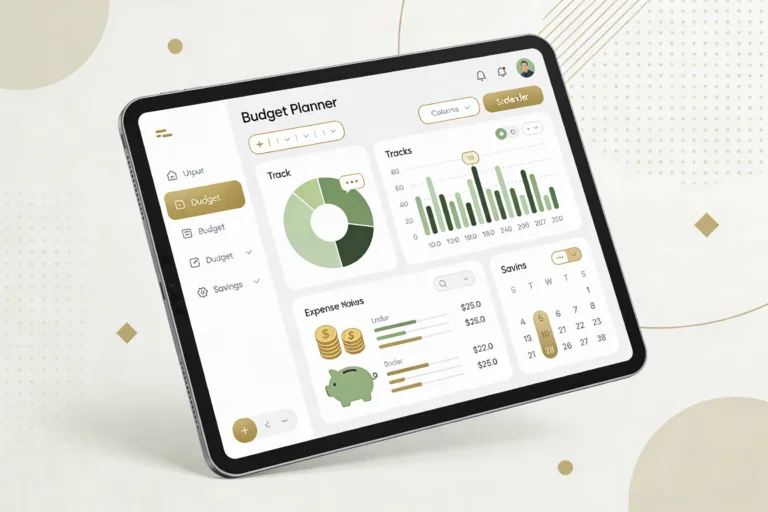
- Budgeting apps that sync bank transactions and categorize automatically. If they feel too hands-on, scale back.
- Envelope method lite for variable categories if you’re into tactile budgeting without the chaos.
Subsection: what I actually use (sparingly)
I keep a lightweight monthly sheet, set two autopayments, and review once a week. Spare time is precious—your budget should give you time, not steal it.
Step 7: trouble spots and fixes (so you don’t freak out)
– Wobbly income: Keep a small buffer and adjust savings temporarily. It’s better to save less than to panic with no safety net.
– Unexpected big bills: Build a “misc emergency” line (think $300–$500) you top up periodically.
– Overspending in social stuff: Use a prepaid limit for entertainment or require a 24-hour wait for big discretionary buys. It stops impulse purchases in their tracks.
Subsection: dealing with “one-off” expenses
Plan for them as a category, then move leftover into savings or debt. It keeps your long-term goals intact.
FAQ
How strict should my budget be?
Keep it practical. A budget should guide you, not exile you. Be strict where it matters (debts and savings) and flexible where it helps you stay consistent (fun money and groceries).
What if I can’t meet my savings target?
Dial back the non-essentials first and automate. Then reassess every month. If you miss by a little, don’t beat yourself up—adjust and keep going.
Can I use a budget just for myself, not the whole family?
Absolutely. Start with your own essentials and contributions. If your partner’s on board, great; if not, you can still build momentum and invite collaboration later.
Is it okay to adjust my budget mid-month?
Yes. Life isn’t static. If you overspend in one area, reroute funds from another to avoid debt. The goal is forward progress, not perfection.
What’s the fastest way to see results?
Automate savings and debt payments, track a couple of core categories for 2–4 weeks, and review weekly. A visible progress streak beats a perfect spreadsheet any day.
What’s the best habit to form around budgeting?
Make a quick weekly review non-negotiable. It doesn’t have to be long—just check balances, compare to plan, and adjust. Consistency beats intensity.
Conclusion
A budget that works feels like having a reliable co-pilot. It doesn’t judge you for cravings or late-night impulse buys; it simply helps you steer toward your goals with less stress. Start with realistic numbers, automate the boring parts, and give yourself permission to tweak as life changes. IMO, small, steady wins beat grand, impossible plans every time. Ready to launch your budget and actually stick with it? Let’s do this together. FYI, you’ll thank your future self.