
Budget Planner with Bill Tracker: Master Your Money Now
I know budget stuff isn’t exactly thrilling, but a Budget Planner with Bill Tracker can turn that dread into something doable and even a little satisfying. Imagine closing another month knowing exactly where every dollar went and what’s left for the fun stuff. Yep, it’s possible—and it starts with a simple system.
What a Budget Planner with Bill Tracker actually is
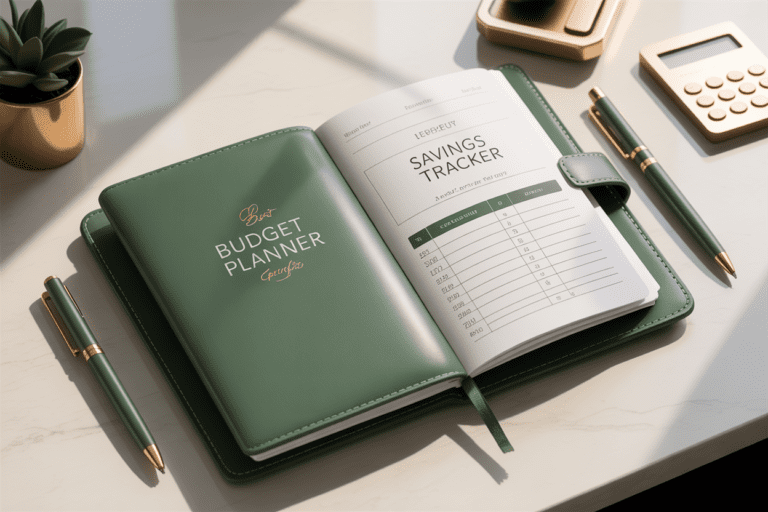
Let’s cut to the chase. A Budget Planner with Bill Tracker is a single place where you map out income, track expenses, and keep tabs on due dates for bills. No juggling ten apps or drowning in sticky notes. It’s both a forecast and a reality check, all in one tidy setup.
– It shows you where your money is coming from.
– It lists monthly needs (rent, utilities, subscriptions) and deadlines.
– It helps you spot patterns so you can nip wasteful habits in the bud.
– It gives you a sense of control that money problems love to steal.
If you’re tired of the “one more card, one more app” chaos, this is the antidote. FYI, consistency beats perfection here.
Choosing your weapon: simple spreadsheet vs. app plan

You’ve got two main routes. Neither is magical on day one, but both can be insanely effective with a little elbow grease.
– Simple spreadsheet: It’s forgiving, customizable, and you can tweak it as you go. Start with basic categories, add a column for bills, and boom—you’re budgeting.
– App-based planner: Think pre-built templates, automatic syncing, and reminders. Might be a tad more setup, but it saves time later and reduces math errors.
When to pick a spreadsheet
– You love tweaking formulas and seeing a live balance update.
– You want zero learning curve beyond basic math.
– You’re on a tight budget and don’t want to pay for apps.
When to pick an app
– You crave reminders for due dates and autopay notices.
– You want quick debt payoff or savings goals with progress graphs.
– You share finances with a partner and need collaboration.
Designing your core framework
The backbone is simple: income, expenses, and bills. Build from there, add a splash of personality, and you’ve got a sustainable habit.
– Income: list all sources and expected amounts. Include irregulars when you can forecast them reliably.
– Fixed bills: rent, mortgage, insurance, loan payments. These are your anchor points.
– Variable expenses: groceries, dining out, entertainment. Track trends; avoid doomscrolling your budget.
– Savings and goals: emergency fund, vacation, house repairs. Treat them like bills you pay yourself.
Set up your timeline
– Monthly view: plan for the whole month with due dates visible.
– Weekly check-ins: quick audits to catch overspending before it compounds.
– Debt payoff sprint: if you have loans, map minimums and extra payments.
Practical tips for reliable tracking
This is where the boring bones become interesting. A few small habits turn a spreadsheet into a money tool you actually use.
– Automate where possible: auto-import transactions from your bank or card statements to reduce manual entry. If you’re using a spreadsheet, you’ll still do manual categorization, but auto imports cut the drag.
– Color code like a ninja: green for income, red for bills, yellow for variable expenses. Visuals beat tiny numbers every time.
– Flag overdue or looming bills: a quick alert saves you from late fees and panic.
– Build a “buffer” column: aim for a small cushion so you don’t freak out when a hobby expense sneaks in.
Subsection: handling irregular income
– Create a baseline by averaging your last six to twelve months of income.
– Treat any variance as a separate category to plan for slow months.
– Use a rolling monthly target rather than a fixed number if your income fluctuates a lot.
Turn bill tracking into money in your control
This is where the real magic happens. Bills aren’t just things you pay; they’re predictable costs you can plan around.
– Due date calendar: set reminders a week in advance for big bills and a day or two for smaller ones.
– Payment strategy: if you’re juggling multiple due dates, group them into “paydays” to keep cash flow simple.
– Payment statuses: mark Paid, Pending, or Auto-Paid so you never wonder what’s left.
Dealing with subscriptions
– List every recurring charge, price, and renewal date.
– Decide which are essential and which you can cancel if you’re not using them.
– Set an annual cap so you don’t hemorrhage cash on things you barely touch.
Forecasting your month: a closer look

This is the “aha” moment. You look ahead and ask the right questions.
– Do I have enough to cover the basics after all bills?
– Can I squeeze a little extra toward savings this month?
– Where did I overspend last month, and can I adjust now?
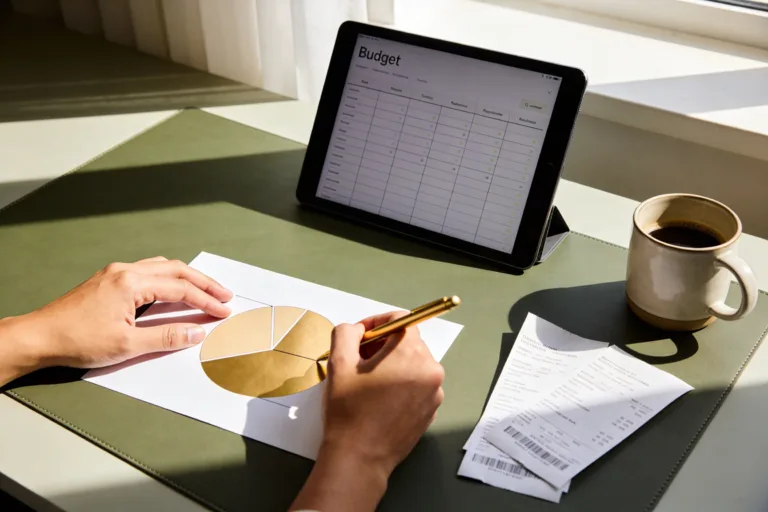
Use a simple forecast table: income minus fixed bills, then subtract variable spending. If you land negative, you know exactly where to prune. If you land positive, you’ve found breathing room—use it wisely.
Scenario planning
– Best-case scenario: you get that overtime or a side gig pays off.
– Worst-case scenario: a bill is higher than expected or an expense spikes.
– Most-likely scenario: a balanced month with modest variations.
Making it stick: habits that keep your planner alive
You won’t keep it if it’s a chore you dread. Make it easy, then make it entertaining.
– Short daily check-ins: 5 minutes to log today’s spending and confirm upcoming bills.
– Weekly momentum sprints: a 15-minute review to adjust categories and catch anomalies.
– Celebrate the wins: you paid a big bill on time? Treat yourself with a small victory dance (or a snack, no judgment).
Incorporating notes and intent
– Add notes on unusual expenses (a car repair, holiday gifts).
– Track your intention behind each category (save for a trip, pay off debt, cut waste).
– Use FYI moments to remind yourself why you’re tightening the belt this month.
FAQ
How often should I update my budget and bills?
A: Aim for a quick daily check-in for transactions and a deeper weekly review for budget accuracy. Do a full forecast at the start of each month. Keeps you honest without becoming a full-time job.
What if I don’t get all my expected income this month?
A: Adjust the plan on the fly. Prioritize essential bills, reduce discretionary spending, and note the shortfall. If you can, set a tiny buffer from last month to soften the hit.
Can I share a budget with a partner or roommate?
A: Yes. Use a shared sheet or app with multi-user access. Agree on categories, payment rules, and how to handle joint expenses upfront to avoid drama later.
Is a budget planner with bill tracker enough, or should I add debt payoff goals?
A: Add debt payoff goals if you have loans. It’s incredibly motivating to see interest decay in real time. Treat it like a recurring bill that you’re aggressively paying down.
What if I’m not techy enough for a template or app?
A: Start with a simple notebook or a basic spreadsheet. The key is consistency: log income, bills, and a rough weekly total. You’ll learn the ropes without drowning in features.
Conclusion
A Budget Planner with Bill Tracker isn’t a magic wand, but it is a practical ally that actually makes sense. It turns confusion into clarity, chores into habits, and fear into foresight. If you haven’t tried a single, unified system yet, give it a go—your future self will thank you. IMO, the payoff isn’t just money saved; it’s space to breathe, plan, and maybe splurge a little without guilt. Start small, stay steady, and watch the numbers stop ruling your mood.