
Budget Planner Printable Pack for Beginners: Your Simple Start
Starting a budget journey can feel overwhelming, but a simple printable pack can make it feel like a game you actually want to win. Grab your coffee, and let’s map out a plan that fits your life, not the other way around. You’ll learn, you’ll laugh, and you might even brag a little about sticking to it.
What a Budget Planner Printable Pack Actually Is
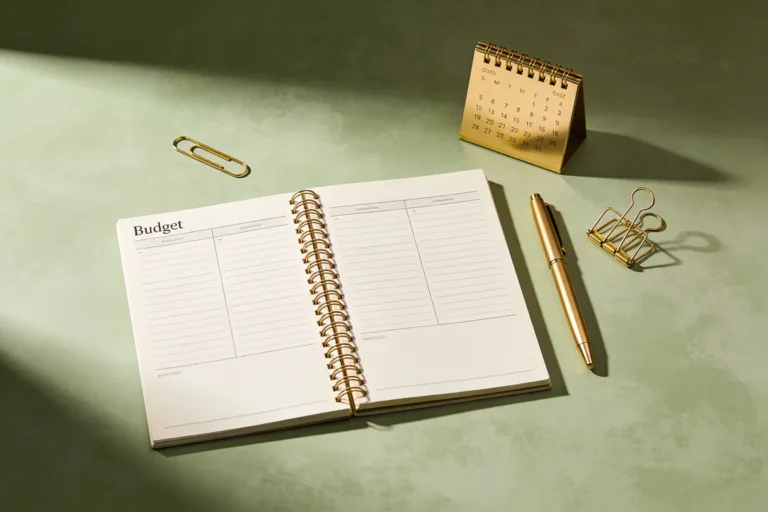
A budget planner printable pack is a collection of ready-to-fill worksheets that keep your money chaos in check. You print them once, then fill them in every month. No fancy software required, just a few sheets, a pen, and a little bit of determination.
– It typically includes a monthly budget template, expense trackers, and savings goals.
– You can tailor it to your life: groceries, debt, fun money, and that pet emergency fund you pretend isn’t a thing.
– It doubles as a accountability buddy. When you see numbers in black and white, you stop pretending “later” is a real plan.
FYI, you don’t need to be a numbers person to use one. A few minutes a week is enough to keep you from spiraling into “where did all my money go?” territory.
Choosing the Right Pack for Your Style
Not all budget packs are created equal. Some are fancy-dancy with charts and color-coding; others are minimalist and brutally practical. Here’s how to pick the one that sticks.
– Start with the level of detail you actually want. If you won’t fill out a hundred fields, don’t pick a monster template.
– Look for sections you’ll actually use. Do you need a debt payoff tracker? A sinking fund for big purchases? A weekly check-in?
– Consider your printability. Will you print in grayscale to save ink, or go full color and pretend you’re at a fancy coworking space?
Breaking Down the Core Sheets (What You’ll Actually Fill In)
A solid budget pack isn’t about perfection; it’s about consistent, small steps. Here’s what to expect and what to do with each sheet.
Monthly Income and Expenses
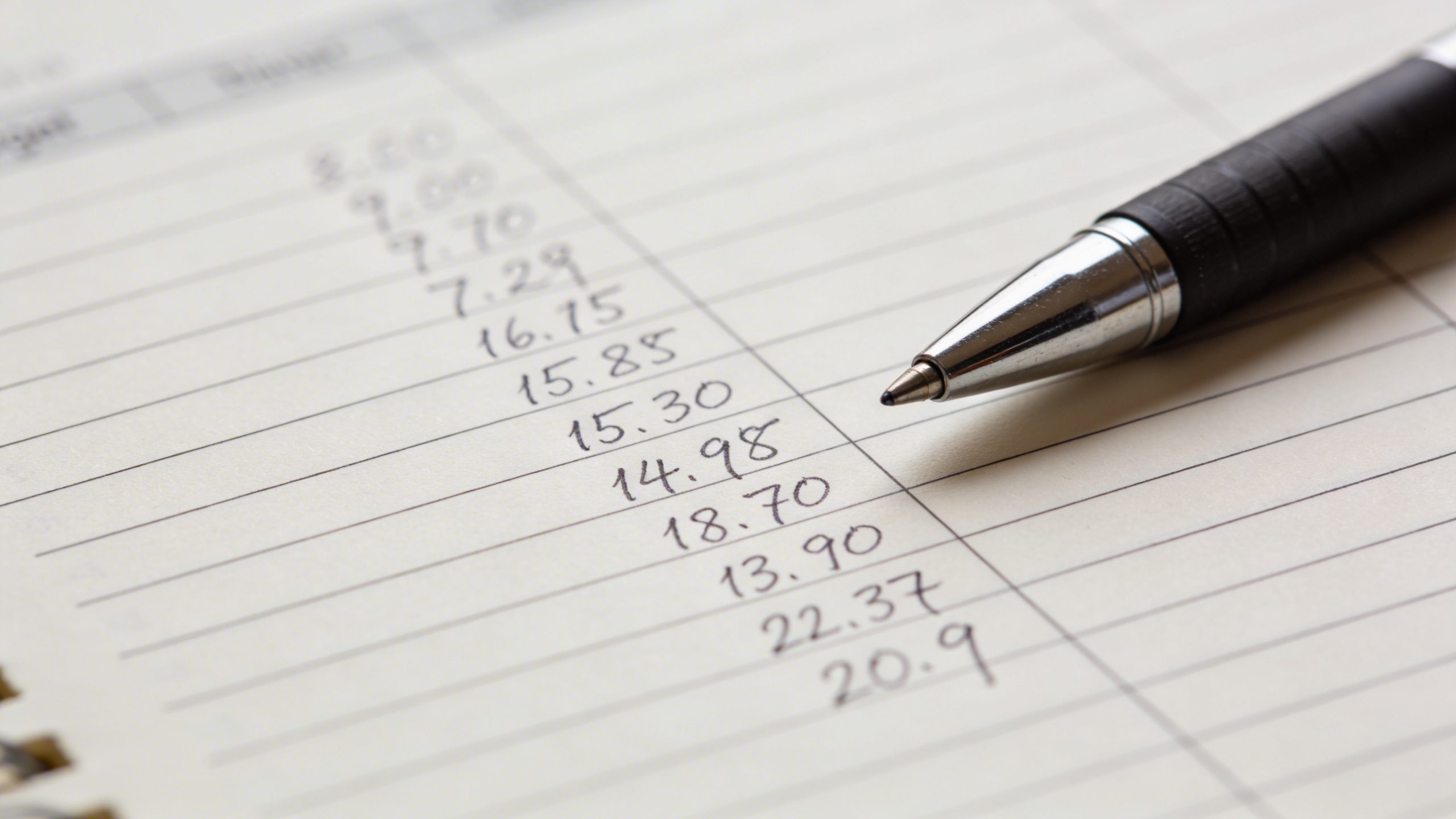
This is your heartbeat. List every source of money and every bill that touches your wallet. The trick is to be honest, not heroic.
– Start with take-home pay and any side gig cash.
– List fixed expenses first (rent, utilities, debt payments).
– Add variable expenses (groceries, gas, entertainment).
– Subtract to see your balance or deficit. If it’s the latter, you know where to cut.
Debt Payoff Tracker
If debt is your nemesis, give it a calendar and a plan. This sheet helps you see progress, not just a pile of numbers.
– Prioritize high-interest debt to save money long-term.
– Use the snowball or avalanche method—whichever keeps you motivated.
– Celebrate tiny wins like “made the extra payment this month” with a sticker or a mental high-five.
Sinking Funds and Savings Goals
Big purchases don’t happen on a whim. Treat savings like a monthly bill you actually like paying.
– Create categories: emergency fund, car maintenance, holiday gifts, vacation.
– Set a realistic monthly target for each fund.
– Track progress with a simple progress bar or percentage.
Weekly Check-In
Consistency beats intensity. A quick weekly glance keeps your plan alive.
– Review what you spent last week and compare to your budget.
– Reallocate funds if you overspent in one category.
– Jot down one improvement for next week. small, doable tweaks FTW.
How to Use Your Pack Without Falling Into a Rut
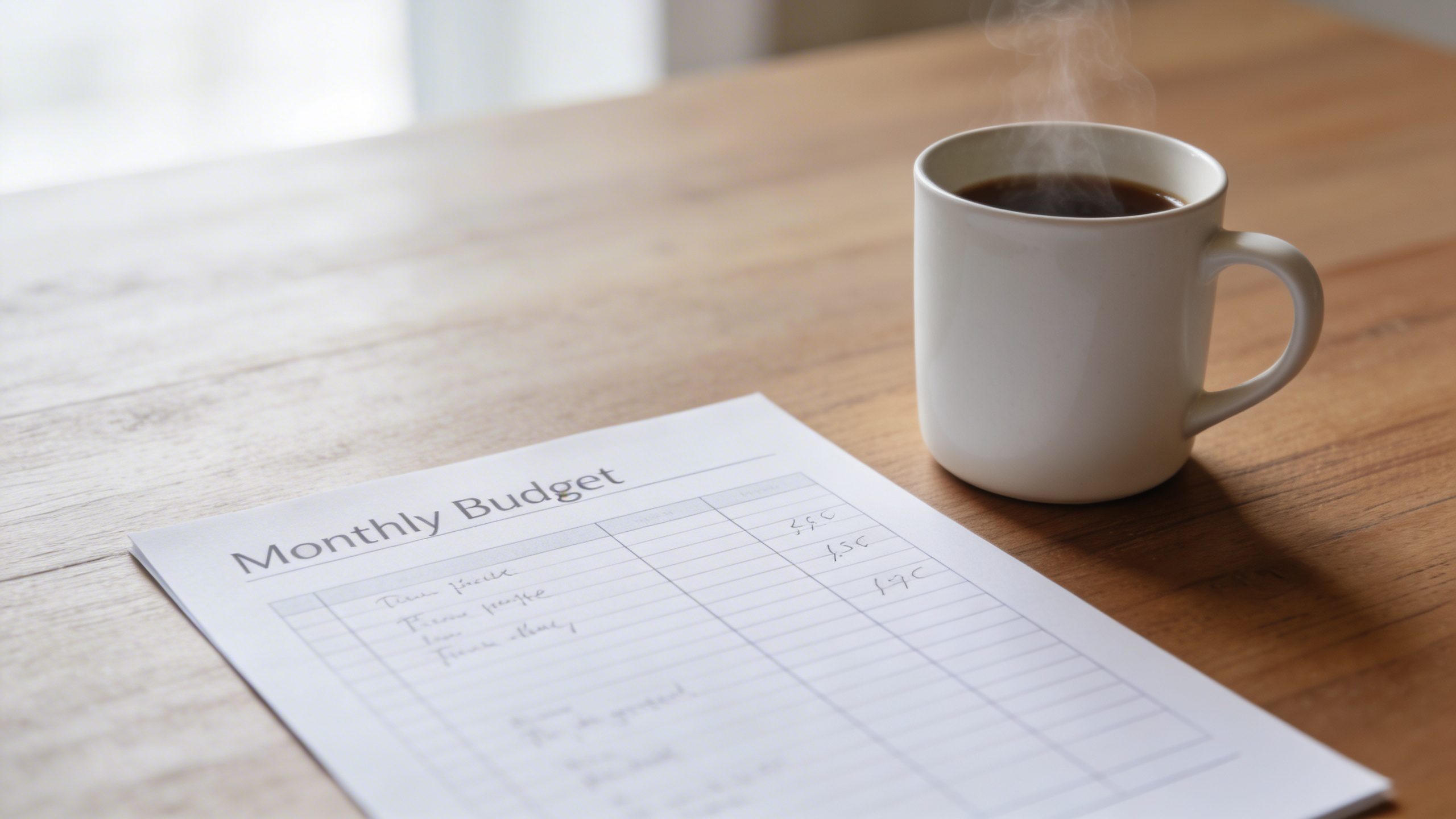
We’ve all started with grand plans and then ghosted them on, say, day three. Here’s how to keep this pack friendly and practical.
– Make it a habit, not a punishment. Schedule a 15-minute weekly session, preferably on a day you actually have time.
– Keep it visible. Put the printable in a binder or pin it on a corkboard. If you can see it, you’ll check it.
– Personalize it. Add a favorite color, doodles, or a “fun money” line to remind yourself you’re allowed to enjoy life within your means.
Batch Printing and Then Forgetting
Printing all pages at once might be tempting, but it’s not necessary. Print what you’ll actually use this month, and save the rest for later.
– Laminate the core sheets for reuse with wet-erase markers.
– Use perforated pages so you can flip to the current month fast.
– Archive past months in a binder for reference but don’t let them collect dust.
Tech-Free or Tech-Forward? Your Call
Printable packs strike a nice balance because they don’t trap you in a system or a cloud. You can stick with pen and paper, or layer in a few digital tricks if you like.
– Pen-and-paper champs: embrace the tactile feel, and enjoy the lack of syncing drama.
– Digital hybrids: snap a photo of your filled sheets and keep a simple digital summary. It’s like having a budget diary without the fuss.
– Paper to plastic: transfer totals to a budgeting app if that’s your jam. Do it only after you’re consistent with the printables.
Nudges to Keep You Going (Motivation, Not Guilt)
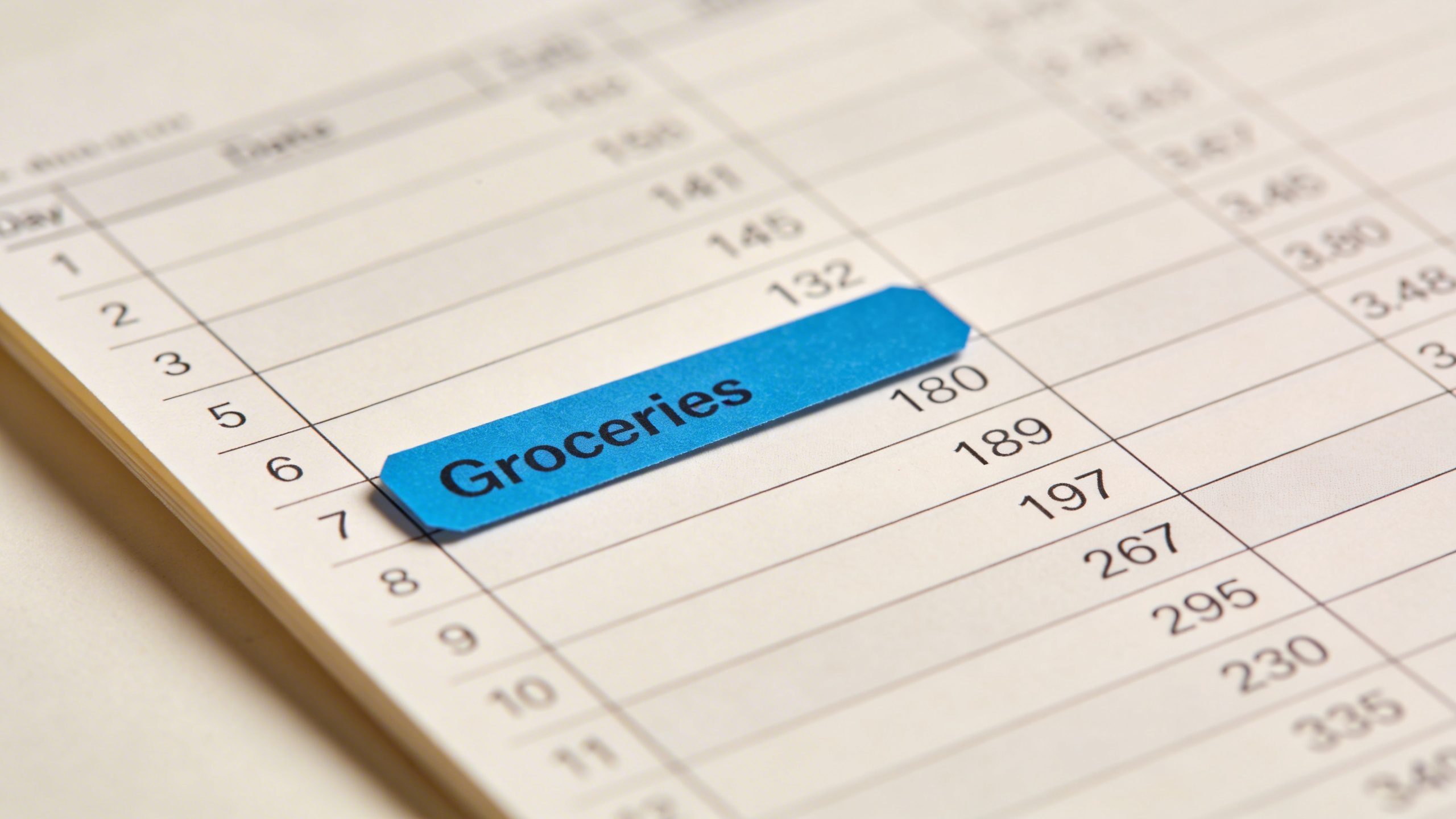
Let’s be candid: budgets can feel constraining, but they should feel empowering. Here are some friendly nudges.
– Use a small, tangible reward for hitting a savings milestone.
– Share your progress with a buddy. A little accountability goes a long way.
– Replace “I can’t” with “How can I?” when a spending urge hits. It’s a tiny shift that pays off.
Real-Life Wins: What Beginners Actually Achieve
You might be surprised by what a budget pack unlocks, even in the chaos of real life.
– More control over every dollar. You’ll spot leaks you didn’t know existed.
– Less financial anxiety. When you know what’s coming next, worries shrink.
– Momentum for bigger goals. The pack gives you a path to a car repair fund, vacation, or paying off a credit card.
– If you’re chasing a goal like paying off debt, you’ll see month-to-month progress that keeps you moving.
FAQ
Is a Budget Planner Printable Pack worth it for absolute beginners?
Absolutely. It lowers the barrier to entry by giving you a clear framework. You don’t have to invent a system from scratch—just fill in the blanks and adjust as you learn what works for you.
What if I don’t have a printer or ink? Can I still use this?
You can still benefit. Many packs offer a dry-erase version or a simple copy-friendly layout you can recreate by hand. If you want, you can print a single month to start and go from there.
How often should I update my budget? Monthly sounds boring—any tips?
Monthly keeps things manageable, but you should do a quick weekly check-in too. On weeks when you’re slammed, a 5-minute review is enough. The key is consistency, not perfection.
What if I overspend in one category?
Don’t panic. Adjust other categories to accommodate, or pause non-essentials for the rest of the month. Then reassess for next month. It’s a learning process, not a moral failure.
Can I customize the pack for irregular income?
Yes. Use a baseline monthly budget and then add a separate “variable income” column. Track the ups and downs, and aim to allocate extra when money shows up instead of chasing a fixed plan.
Conclusion
If you’re just starting out, a Budget Planner Printable Pack is like having a co-pilot who actually cares about your coffee budget and your dreams. It’s simple, printable, and surprisingly flexible. You’ll Make progress in tiny, doable steps, and suddenly your finances stop feeling like a maze you’ll never escape.
So, grab a pack, print a few sheets, and give yourself the small win of a first month that makes sense. IMO, you’ve got this. And FYI, the moment you fill out that first expense line without cringing, you’ll be hooked.