Budget Planner for Beginners with No Experience: Quick Start Guide
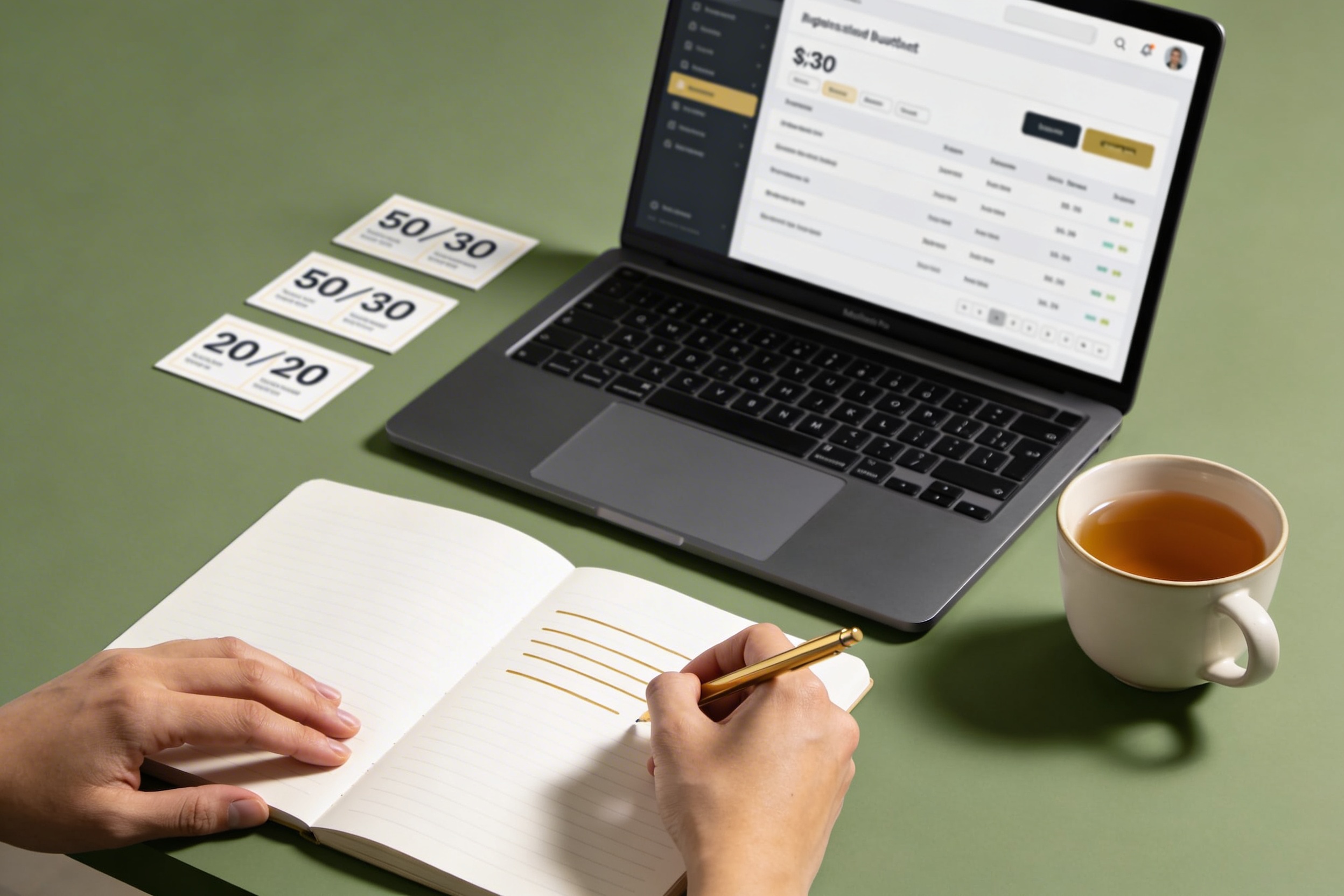
I’ve got a simple truth for you: budgeting doesn’t have to be boring or complicated. If you’re starting from square one with no experience, think of this as your friendly guide to getting your money to do what you actually want. Let’s make a plan that fits your real life, not some scary spreadsheet yelling at you.
What a Budget Even Is (And Why You Should Care)
Budgeting isn’t a prison sentence for your wallet. It’s a roadmap that helps you spend on the things that matter and stop financing impulse buys you’ll regret later. If you feel overwhelmed, you’re not alone. The goal is to give your money a purpose, not to siphon all the fun out of life.
Start Here: The Quick-and-Dirty Budget in 15 Minutes
– Find your numbers: Take a rough snapshot of your monthly income and fixed costs. Think rent, utilities, subscriptions.
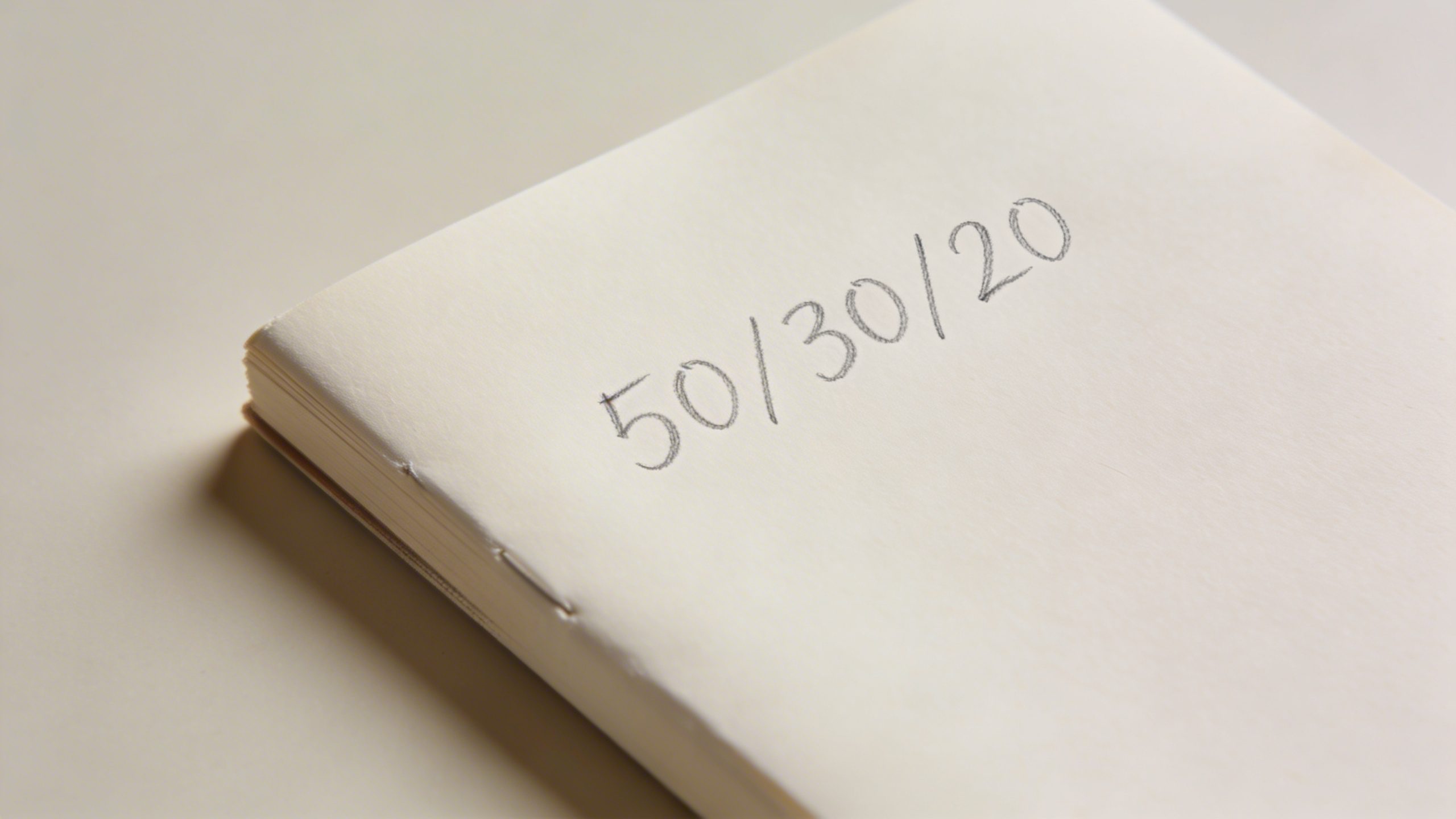
– Pick a method: 50/30/20, zero-based, or even a simple envelope system. Pick one that feels doable.
– Set one priority: Is it saving for an emergency fund? Paying off debt? Pick one to focus on first.
– Track for a week: Note where every dollar goes. You’ll start seeing patterns fast.
Why 15 minutes matters
Spending hours fumbling with numbers sounds worse than it is. If you can’t start, you’ll stall forever. The point is momentum. You’ll refine later, I promise.
Choosing a Method That Won’t Crush Your Soul
There are tons of ways to budget, and you don’t need to become a full-time accountant to make one work.
50/30/20-ish (realistic and forgiving)
– 50% needs: rent, groceries, transport.
– 30% wants: streaming, dining out, little luxuries.
– 20% savings/debt payoff: emergency fund, extra payments.
This isn’t strict magic. If your needs creep up, adjust the lines. Flexibility wins.
Zero-based Budget (for the overachievers in training)
Every dollar gets a job. Income minus expenses equals zero. Sounds intense, but you’ll love the control. If you earn $3,000, you assign $3,000 to categories until nothing’s left unassigned. It’s satisfying, especially on months when you actually stick to it.
Envelope System (hands-on, tactile budgeting)
Allocate cash to physical envelopes for different categories. Once an envelope is empty, you don’t spend from that category until next month. Great for curb-appeal impulse control, less great for occasional card payments. Decide what suits your vibe.
Practical Steps You Can Do This Week
– Gather numbers in 20 minutes: last 3–6 months of statements, plus your current paycheck stubs.
– Choose one budget method and implement it by Friday.
– Set a tiny goal: save $5 more this week than last week or cut one minor recurring expense.
– Automate what you can: rent, savings transfer, debt payments. Let technology do the heavy lifting.
Tip: Automate, but don’t abdicate
Automation keeps you honest, but you still need to review. FYI, automated transfers can fail if your accounts aren’t linked or there’s an alert you ignore. Check in once a week to confirm everything’s lining up.
How to Build an Emergency Fund Without Hating Your Life
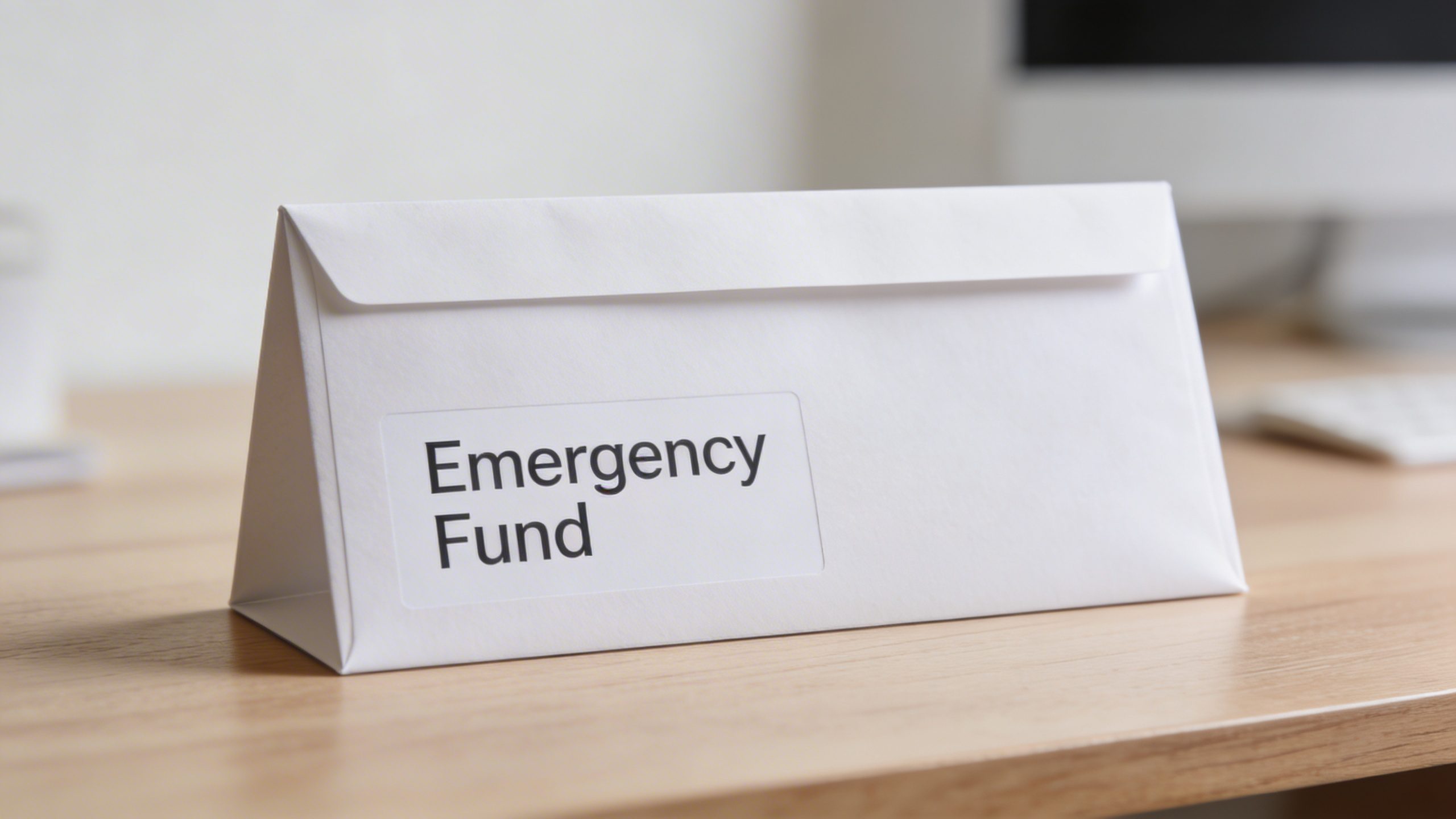
An emergency fund is your financial safety net. It’s the “IF” that helps you sleep at night.
– Start small: aim for $500–$1,000 as a starter goal.
– Then grow: target 3–6 months of essential living expenses.
– Make it automatic: a small weekly transfer beats a big monthly push.
Where to stash it
– High-yield savings account: decent liquidity, better interest than a checking account.
– A money market fund if you’re comfortable with a tad more risk.
– A stable, low-fee account at a reputable bank. No drama, just safety.
Debt? You Can Tackle It Without Losing Your Sense of Humor
Debt can feel like that gym membership you forgot you had—annoying, but manageable with a plan.
– List all debts: minimum payments, interest rates, payoff timelines.
– Pick a strategy: debt snowball (smallest balance first) or debt avalanche (highest interest first). Snowball gives quick wins, avalanche saves money long-term.
– Automate payments: never miss a due date. Late fees are the ultimate mood-killer.
One-page debt plan
– Total monthly debt minimums: $X
– Target payoff date: Y months
– Extra monthly payment: $Z
This simple sheet keeps you accountable without drowning you in a forest of numbers.
Tracking That Doesn’t Feel Like a Chore
If you dread budgets, you’ll never stick with one. Make tracking fast, painless, and even a little fun.
– Use a simple tool: a free budgeting app, a notebook, or a basic spreadsheet.
– Do a weekly 15-minute check-in: update numbers, reallocate if needed.
– Celebrate small wins: any month you stay under budget in a category, give yourself a tiny reward.
Common pitfalls to dodge
– Overcomplicating things from day one: you’ll burn out. Start simple.
– Underestimating small recurring costs: the coffee habit adds up.
– Ignoring irregular income: freelancers, gig workers, and people with variable pay need a cushion.
Tools and Resources That Actually Help
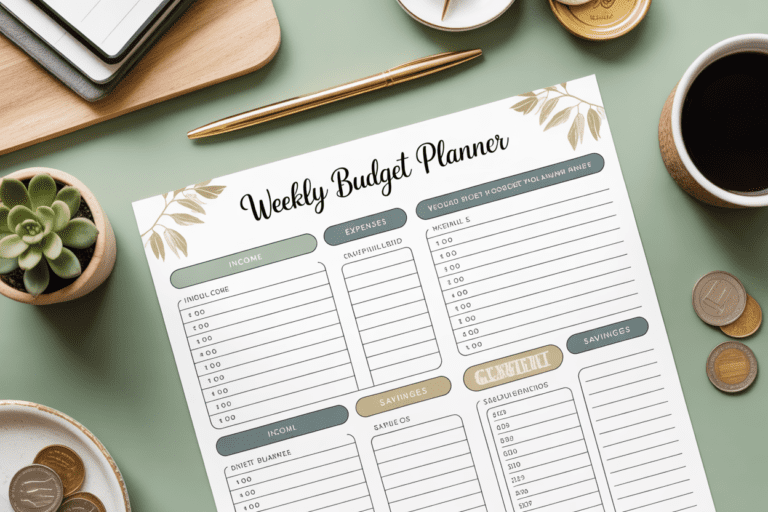
– Budget templates: pick one that matches your vibe and customize.
– Bank alerts: email or push notifications for large charges or low balances.
– Automatic transfers: set it and forget it. Your future self will thank you.
– Community and accountability: a friend, a budget buddy, or an online group can keep you motivated.
Choosing the right tool for you
– If you love visuals, go for a colorful app with charts.
– If you want simplicity, a plain spreadsheet works wonders.
– If you want hands-off control, automate most things and check weekly.
FAQ
Is budgeting even possible with irregular income?
Absolutely. Start with a baseline budget using a conservative income estimate, and then adjust monthly as you know your actuals. Build a small buffer for those months when cash flow dips. IMO, the key is flexibility and a plan that doesn’t punish you when things shift.
What’s the easiest budget method for beginners?
The 50/30/20 approach is often the friendliest. It divides money into needs, wants, and savings/debt. It’s simple to grasp and easy to adjust. If you crave more control, zero-based budgeting works too, but give yourself a grace period to learn.
How much should I save in an emergency fund right away?
Aim for $500–$1,000 as a starter, then push toward 3–6 months of essential living costs. If you’re anxious about layoffs or medical expenses, lean toward the higher end. Slow progress beats no progress, every time.
How do I stay motivated to keep budgeting?
Make it about your goals, not penalties. Celebrate tiny wins, track progress, and tell a friend or share your goals. FYI, accountability helps a lot more than you’d expect. And yes, a few jokes along the way make it less painful.
What if I slip off the budget wagon?
Happen to everyone. Acknowledge it, adjust, and get back on track. It’s not a failure; it’s feedback. Learn where the slip happened (was it a subscription you forgot about? a one-off expense?) and tighten that area.
Conclusion
Budgeting as a beginner isn’t about turning your life into a spreadsheet dungeon. It’s about giving your money purpose and keeping the chaos at bay. Start small, pick one method you can actually stick to, and build from there. You’ll feel more in control, sleep a little better, and maybe even enjoy watching your savings tick up. IMO, the best time to start is now. The second-best time is tomorrow. So why wait? You’ve got this.