

Savings Challenges for Busy People: Quick Wins
The savings game doesn’t have to drain your life force. You’ll save without turning your calendar into a spreadsheet torture chamber. Let’s cut to the chase: busy people deserve simple, effective ways to grow their stash.
Smart hacks for saving when time is your scarcest resource
If your to‑do list has more bullets than your bank account has zeros, you’re not alone. The secret isn’t working harder; it’s making saving almost invisible. Easy wins add up, fast.
Make automation do the heavy lifting

Automation is your best friend when you barely have time to breathe. Set it and forget it—your future self will thank you.
Automate transfers that feel invisible
– Set up a weekly transfer from your checking to savings the moment your paycheck lands.
– Treat the savings account like a bill you must pay, not a leftover thought.
– Start with a modest amount and scale up as you get comfortable.
Round-up programs and micro-savings
– Use round-up apps that snap the change from every purchase into savings or investments.
– It’s not dramatic, but it compounds. FYI, you’ll barely feel it while it quietly grows.
Automate debt pay-down while you automate savings
– If you carry high-interest debt, automate extra payments first. Then automate savings. If both happen in the same cycle, you don’t have to choose.
Protect your daily spending without losing your spark
Saving isn’t about deprivation; it’s about intentional choices. You can still live well while your future self smiles.
Smart budgeting that fits real life
– Use a simple category system: Needs, Wants, and Savings. Allocate a fixed %, and tweak as needed.
– Build a “no-thanks” list for impulse buys, then move on with a grin.
Shop with a playbook, not a panic
– When you’re busy, you’ll default to quick, expensive options. Counter that by keeping a short list of good, quick replacements.
– FYI, you’ll save more by choosing a cheaper coffee place a few times a week than you think.
Cut clunky recurring costs
– Review subscriptions every quarter. Cancel anything you forgot you had.
– Swap costly habits for cheaper alternatives—meal kits less often, streaming services shared with a friend, that kind of thing.
Lean toward smaller, more sustainable targets

Big goals are motivating but tough to hit when you’re juggling projects, kids, a job, and a life. Smaller targets keep momentum high.
Set bite-sized milestones
– 1) $500 emergency fund, 2) $1,000 for a vacation, 3) 3 months’ living expenses. Break into 4–6 week chunks.
– Write them on a sticky note and place it where you’ll see it daily. It’s tiny addiction, but it works.
Use “just enough” goals
– Don’t chase perfection. If you hit a milestone a little early, bump it up. If you miss, adjust and keep going.
– This is a marathon, not a sprint, so pace matters.
Side gigs and clever caps: boosting income without burnout
If you have a few spare hours, you can turbocharge your savings without losing your sanity.
Low-effort income ideas
– Quick freelance gigs, odd jobs, or selling unused stuff. You don’t need to go full hustle mode; small, consistent wins add up.
– Consider monetizing a hobby for extra cash—if you’re into writing, design, or tutoring, there’s always a market.
Timeboxing your side hustle
– Set a weekly cap on side-hustle hours. Protect your main job and your sleep. Short bursts, big returns.
– Use a simple calendar block and a clear end time. You’ll avoid burnout and keep savings flowing.
Make saving a habit that feels normal, not noble
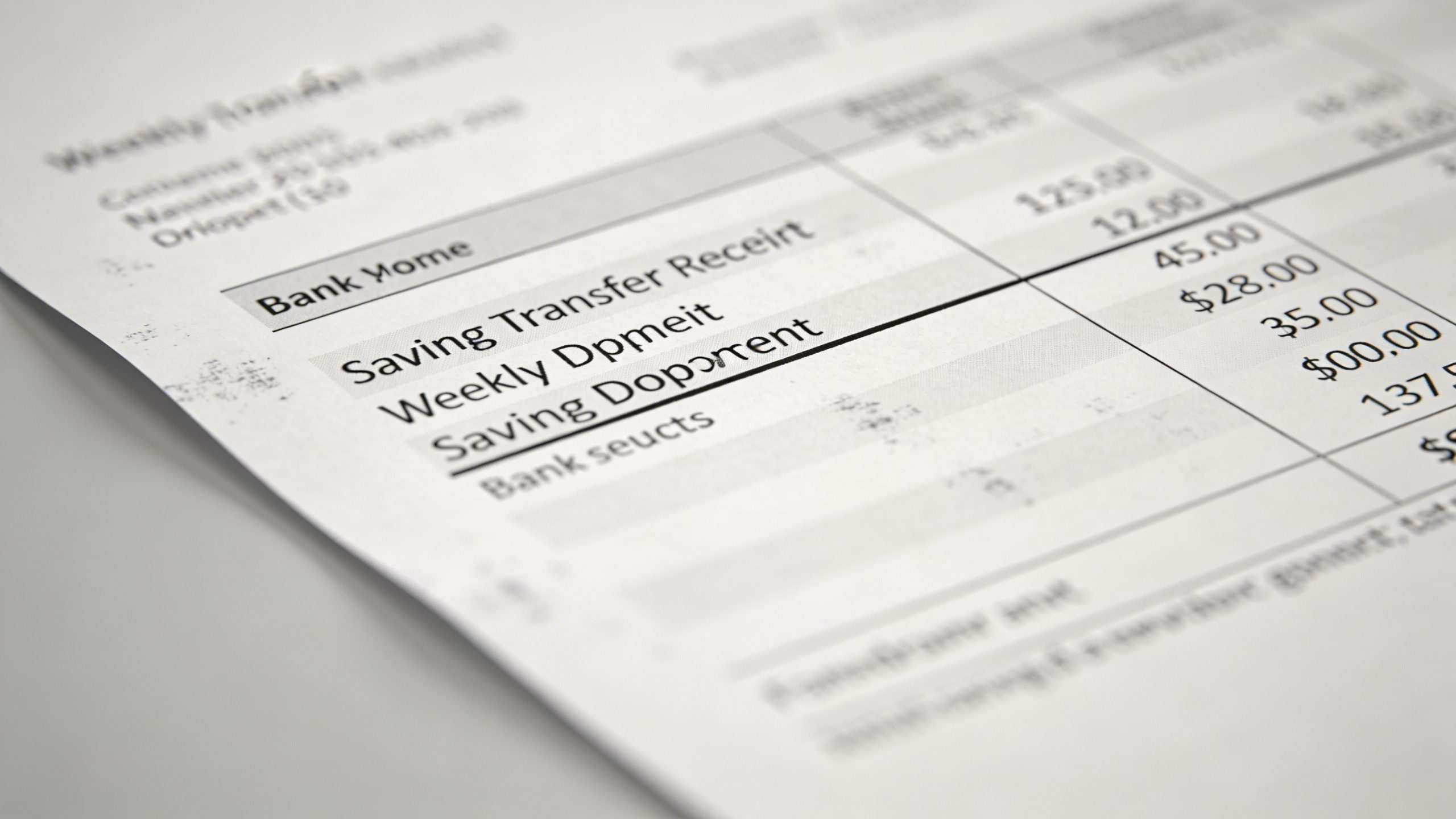
Habits beat motivation any day. The trick is to make saving so automatic you forget you’re doing it.
Habit stacking for savings
– Attach a saving action to a current habit: after you log a workout, transfer a small amount to savings; after you pay a bill, move a little more to an emergency fund.
– This creates a rhythm that sticks.
Account design matters
– Use a high-yield savings account for growth, but also keep a separate “today” account for near-term spending.
– Naming matters too. Call one account “Vacation Fund” and another “Emergency Buffer.” It sounds goofy, but it boosts motivation.
Common pitfalls and how to dodge them
Even seasoned savers trip up. Here’s the quick cheat sheet to stay on track.
Emergency fund vs. sinking fund confusion
– An emergency fund is for true emergencies; sinking funds save for known expenses (car repairs, trips, gifts).
– Define them clearly and automate accordingly.
Don’t chase yields you can’t understand
– High returns often come with high risk or lock-ins. Stick to your plan and keep it simple.
– FYI, boring but steady wins the race.
Over-editing your budget
– Too many rules kill momentum. Start with a light framework and adjust as you grow more confident.
FAQ
How much should I save each month if I’m忙?
Start with a realistic target you can hit consistently, like 5–10% of take-home pay or a fixed dollar amount. The key is consistency. You can tweak later as your income and expenses change.
Is it better to save or invest first?
Saving gives you safety and liquidity; investing grows wealth over time. Do both, but keep an accessible emergency fund first. FYI, a little investing can be a nice boost once you’re comfortable with your cushion.
What if I need the money quickly?
Keep a portion of savings in an easily accessible account. If you’re in a bind, you’ll know where to pull from without wrecking your plan.
How do I stay motivated to save when I’m busy?
Automate, gamify, and celebrate small wins. Acknowledge milestones, share progress with a friend, and keep the end goal in view. IMO, a little bragging rights helps more than you’d think.
Can I use credit to boost savings?
Not a fan. High-interest debt can eat into gains. If you must, tackle the debt first with a plan, then switch to saving and investing. It’s all about paying yourself first, not the banks.
Conclusion
Saving isn’t a grand gesture you pull off once a year. It’s a series of tiny, smart choices that fit into a busy life. Automate the boring stuff, carve out a little space for deliberate spending, and watch your cushion grow without turning your calendar into a math problem. If you’re short on time, you don’t need fancy strategies—just consistency, real-talk budgeting, and a dash of humor. You’ve got this.