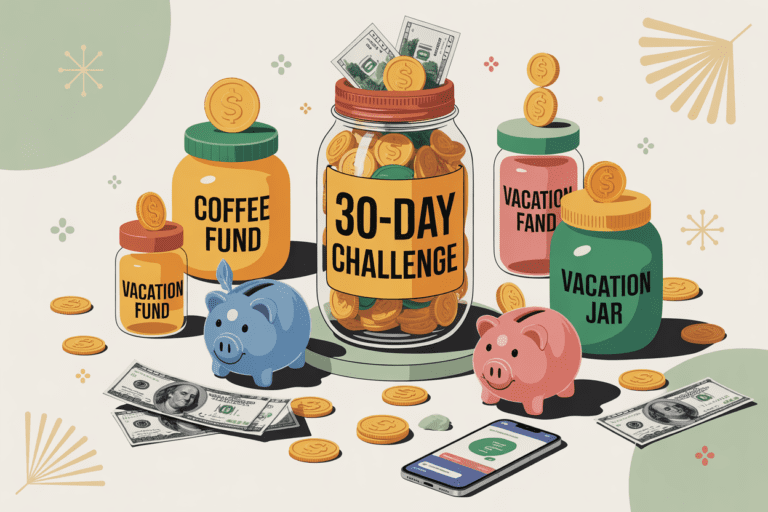

Minimalist Savings Challenges That Work: Simple Wins Daily
I’m not here to brag about how much I save this month. I’m here to give you simple, doable challenges that actually stick. Minimalist savings isn’t about depriving yourself; it’s about trimming the noise and letting your money do more with less effort. If you’re tired of gimmicks, you’re in the right place.
Strip It Down: the essence of minimalist savings
Saving doesn’t have to be dramatic to work. It just has to be repeatable. The idea is to cut out the non-essentials, not to vanish your life’s joy. At the core: small, steady wins beat big, sporadic sacrifices.
– Start by listing the obvious spenders you don’t notice: daily coffees, impulse buys, subscriptions you forgot you had.
– Replace “ramen-level” budgeting with a plan you can actually stick to for 30 days, then 90, then a year.
– Track your progress in bullets, not novels. A quick glance should tell you how you’re doing.
FYI, you don’t need to become a money monk to make these work. You just need a few habits you can actually keep.
1. The 5-Minute Morning Money Check

This is my favorite starter challenge because it’s almost embarrassingly simple. Five minutes every morning, and you’ll build a money-mindset that sticks.
What to do
– Open your bank app, glance at today’s balance, and note any big sway in the wrong direction.
– Check subscriptions and recurring charges for the upcoming month.
– Decide one tiny action today that saves or earns you money (like skipping a coffee and saving $5, or changing a bill due date to avoid fees).
Why it works
– Keeps money top-of-mind without chaos.
– Creates a habit you can scale. If you skip a day, you’re still ahead most days.
– It’s nonviolent. You don’t restrict life; you swap a small habit for a better one.
Subsection: Quick ways to level up
– Automate a small weekly transfer the moment you read this.
– Use a round-up app that doesn’t nag you to “save more,” it just saves what you’d miss anyway.
2. The Minimalist Swap Challenge
Swap, don’t sacrifice. You’ll shrink expenses by swapping high-cost habits for affordable alternatives.
What to swap
– Coffee shop habit → make coffee at home, but still allow one weekly treat.
– Streaming packages → pick one main service and borrow others from friends or the library.
– Dining out → prepare a few simple meals you actually look forward to.
How to keep it interesting
– Create a swap menu for the month with 3–5 items you genuinely enjoy.
– Track saved amounts and reinvest in a small fun fund (a quarterly treat exists, right?).
Subsection: A sample swap plan
– Week 1: Brew at home, skip daily fancy drinks. Save about $60.
– Week 2: Use a library for books and audiobooks. Save around $15–$20.
– Week 3: One home-cooked date night instead of two dinners out. Save $40–$60.
3. The One-Category Freeze

Pick one category and freeze it hard for a set period. It’s like a tiny boycott on yourself—and it actually works.
Pick a category
– Subscriptions you don’t use much.
– Dining out or takeout.
– Impulsive shopping or online premium accounts.
How long
– Start with 21 days. If you survive, stretch to 30 or 60. The idea is to prove (to yourself) you can hold the line.
What you gain
– Clarity: you see where money actually goes without guessing.
– Momentum: a small win compounds into bigger financial confidence.
Subsection: Advanced tweak
If you’re feeling spicy, pair the freeze with a micro-savings target. For example, every day you don’t purchase a non-essential item, you move $1 into an “emergency stash.” It’s incremental, but it adds up.
4. The 30-Day No-Distraction Challenge
This isn’t about willpower; it’s about cutting distractions that cost you money.
What you disable
– Non-essential notifications that push you to buy.
– Auto-renewals you barely notice.
– Social media ad temptations? You can mute them for a month.
What you enable
– A 30-day window to examine needs vs wants.
– A tiny saving today: move any amount you would have spent into savings.
How it pays off
– You learn your own triggers. Do you buy because you’re bored, stressed, or hungry for a dopamine hit?
– You’ll replace impulse with intention, which is the real savings magic.
Subsection: The payoff tracker
– Create a simple chart: day 1 to 30, what you avoided buying, and how much you would’ve spent.
– At the end, tally your total “avoids” and transfer that amount into an emergency fund or a debt payment.
5. The 3-Thing Weekly Cut

One week, cut three things that drain your wallet. The beauty is in the scale and simplicity.
How to pick
– Choose three recurring costs you barely notice but add up.
– Aim for items you can actually live without for seven days.
– Don’t overthink it—if you miss one, you still win.
Examples
– Happy-hour drinks on Thursdays, car washes, or unused gym classes.
– A weekly impulse purchase, a streaming add-on, or a snack every afternoon.
What happens after 7 days
– You’ll realize you can live with less. It’s empowering, not punitive.
– You’ll probably rediscover some hobbies or routines that cost little to nothing.
6. The Gentle Debt Slam with a Minimalist Lens
If you’ve got debt, you don’t need a miracle to get traction. A minimalist approach means you decide what matters and let go of the rest.
Steps
– List debts in order of interest rate. Tackle the highest first with a consistent extra payment.
– Automate payments so you never miss. Even a small extra amount helps.
– Pair it with one small lifestyle tweak: a weekly budget review, or a no-spend weekend.
Why it sticks
– You see progress fast, even if it’s small.
– It feels controllable, not overwhelming.
7. The Fun-Savings Funnel
Saving doesn’t have to be dull. Create a funnel where tiny savings turn into something you actually want.
How it works
– Each month, set a tiny savings target (like $50–$100).
– Direct these funds into a “fun fund” for trips, experiences, or gadgets you long for.
– The catch? Only spend from that fund on something you’ll genuinely enjoy.
Why it works
– It gives your brain a reward path. You save with a purpose, not as punishment.
– It’s flexible. If you need to pause, you pause. If you want to accelerate, you accelerate.
FAQ
How do I stay motivated with minimalist savings?
Keep it light and purposeful. Track wins in a quick notebook or app, and celebrate small milestones. FYI, you don’t need a dramatic win to feel like you’re winning.
What if I fail a day or two?
No big deal. Acknowledge it, restart the next day. Consistency compounds, not perfection. Think of it as a gentle slope, not a cliff.
Can these challenges work with a family budget?
Absolutely. Involve others, share the targets, and align goals. Everyone benefits when you cut waste together, and it’s easier to stay motivated with a team.
Is it worth automating savings right away?
Yes. Automation removes the friction. Set up a small, regular transfer so you pay yourself first without thinking about it.
What’s the most underrated minimalist tactic?
Tracking. Not in a spreadsheet nerd way, but a simple weekly glance at where your money went. Visibility changes behavior.
How do I know this isn’t just a fad?
These are repeatable, scalable habits. They’re not “one-off hacks.” If a tactic stops working, you tweak and continue. The point isn’t perfection; it’s progress.
Conclusion
Minimalist savings isn’t about stinginess. It’s about reclaiming control with small, sustainable moves that fit real life. Start with one of the challenges above, then layer in a second when you feel ready. You don’t have to go full monk—just go steady. And if you ever doubt whether a tiny change can add up, remember this: pockets grow with pockets-worth of small, stubborn habits. So pick a path, stick with it, and watch your financial confidence rise. IMO, you’ll thank yourself later.