
Savings Challenges That Work on Any Income: Smart Wins
I’m going to save money without turning life into a boring numbers game. You’ll get practical tricks that actually fit real life, not some fantasy budget. Ready to feel like a savings ninja without the doom and gloom? Let’s go.
Small Wins, Big Impact: The Core Idea Behind Every Savings Challenge
You don’t need a six-figure salary to start saving. The trick is to pick challenges that fit real life, not fantasies. It’s all about consistency, not perfection. If you can do a tiny thing every week, compound interest will do the heavy lifting later. FYI, steady beats sporadic genius every single time.
Automatic Wins: The “Set It and Forget It” Method
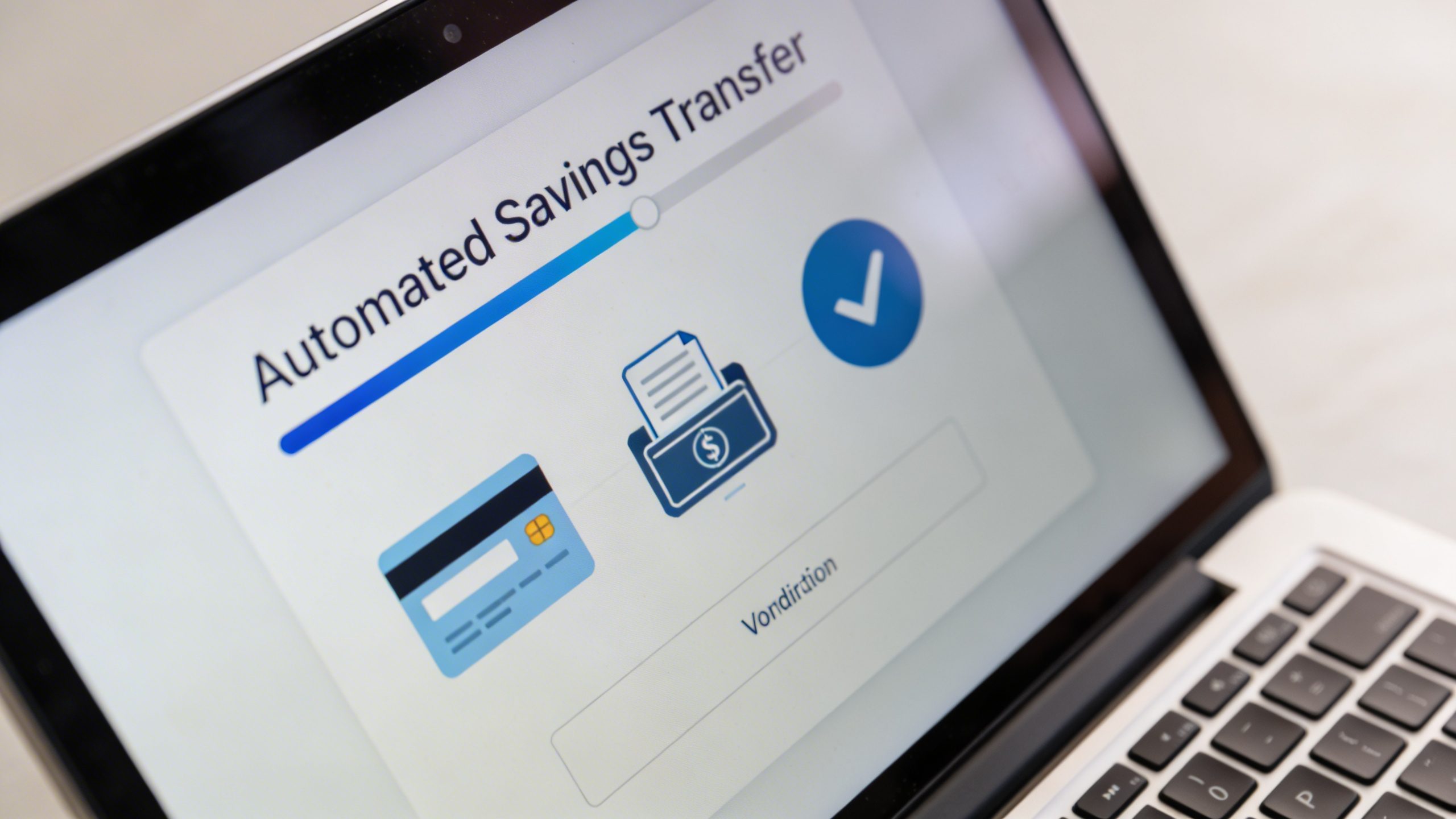
- Automate transfers as soon as money lands. If your paycheck hits, divert a fixed amount to savings before you even see it. Your future self will thank you.
- Round-up savings on every purchase. That spare change adds up surprisingly fast when you do it consistently.
- Use a separate savings account for each goal. Emergency fund, vacation, new laptop—whatever matters to you.
Want a quick setup? Choose a daily or weekly round-up threshold and a clean separation of funds. It’s not glamorous, but it works like magic. IMO, automation is the adult version of magic beans.
Why this works for any income
Consistency matters more than the amount. If you automate a small amount, you’ll barely feel it in the moment, but you’ll feel it when a goal is reached. The math loves regularity, not bursts.
Challenge 2: The 30-Day Financial Diet (Minus the Graffiti-Style Hunger Strikes)
- Pick one non-essential category to cut for 30 days. Dining out, subscriptions, impulse online shopping—your choice.
- Replace one habit with a cheaper, healthier alternative. Does that coffee habit break your bank? Brew at home and splurge on an occasional treat instead.
- Track every penny. No judgment, just data. The goal is awareness, not guilt.
This isn’t about deprivation; it’s about revealing where the money quietly slips away. After 30 days, you’ll see patterns and feel powerful for choosing differently. FYI, small changes compound like rabbits in a meadow—fast and triumphant.
Deep dive: the “one category” trick
Limit yourself to a single category for 30 days. It makes it easy to measure impact and keeps the experiment from feeling endless. If you fail to cut in one area, you’ll still learn where you spend the most and why. It’s data, not judgment.
Challenge 3: The 52-Week Saving Sprint (Yes, It Can Be Fun)

Start with $1 the first week and increase by $1 each week. By week 52, you’ll be saving $52 in that year. If that sounds tiny, add a twist: adjust the base amount to align with your income. The goal is momentum, not math anxiety.
- Alternative: reverse version—save $52 in week 1, then decrease by $1 weekly. It’s a neat twist if your income fluctuates.
- Keep the money in a dedicated account or envelope system for a tangible payoff.
People love this one because it’s predictable and feels like a mini-quest. IMO, the best part is crossing off every completed week. It’s a tiny celebration that compounds into confidence.
Ride the wave: what if income is unpredictable?
Use a flexible base: save a percentage of each paycheck rather than a fixed amount. If a week is lean, you still chip in something small. If a windfall hits, you scale up responsibly.
Challenge 4: The No-Spend Month (Or The No-Spend Week, If Your Budget Skips in Snippets)
- Pick a month or a week where you only buy essentials. No eating out, no new clothes, no impulse gear.
- Plan meals, prep, and shop with a list. Surprises are expensive—surprise snacks are the worst.
- Bank the money you would have spent. Even modest no-spend periods can become serious savings momentum.
No-spend isn’t a punishment; it’s a data-collection mission. You’ll discover how much you actually spend on non-essentials and where you can trim without turning life into a dull clip show. FYI, your future self will grin at your present self for resisting that extra cartful at checkout.
Challenge 5: The “Save for a Specific Goal” Sprint

Choose a concrete, exciting goal: a vacation, an emergency fund, a down payment, or simply a buffer for tough months. Then create a micro-plan:
- Set a realistic goal amount and a deadline.
- Break it into weekly targets. A little progress every week feels like progress, even on rough weeks.
- Share your goal with a friend for accountability. No shame in asking for an ally.
When you attach emotion to money, saving becomes personal and meaningful. It’s not just “money in the bank”; it’s a ticket to that dream trip or a safety net for chaos. And yes, FYI, you’ll be surprised how often you can adjust non-essentials to hit the target faster.
Section Bonus: The Power of Tiny Habits
In the end, the best savings habits aren’t dramatic; they’re tiny, repeatable, and stubbornly consistent. Here are some bite-sized moves that work anywhere, anytime:
- Pay yourself first, every time. If you wait, it’s too easy to skip.
- Use a separate wallet for “fun money” and promise not to dip into it for bills.
- Review subscriptions quarterly. Cancel the ones you forgot you had or never use.
- Keep a visible goal thermometer—literally a chart on the fridge or a dashboard on your phone.
The realism here is that life happens. You’ll miss a week or two. That’s fine—just get back on track. IMO, consistency beats intensity every day of the week.
FAQ
Can these challenges work with a variable income?
Absolutely. Start with a percentage-based rule rather than a fixed amount. Save more when you earn more and scale back when earnings dip. It keeps you building without starving your budget during lean periods.
What if I fail a week or month?
Failure is data, not a doom sentence. Analyze what happened, adjust the plan, and resume. The long-term trend matters more than any single stumble.
Do I need a lot of money to start?
Not at all. Start with small, automatic transfers or a $1- or $5-scale weekly target. The point is velocity and consistency, not heroic numbers.
How do I avoid cutting out experiences I actually enjoy?
Design budgets that fit your life. Allocate a “fun fund” and keep longer-term savings separate. You can still have experiences; you just choose them more mindfully and less on impulse.
Is it better to save or invest the money?
Both matter, but for most people, saving first builds a safety net before investing. Once you have an emergency fund, you can explore investments that align with your risk tolerance and goals. FYI, your future self will thank you for the cushion.
Conclusion
Savings challenges aren’t about denying yourself joy—they’re about reclaiming control over your money with tiny, doable steps. You don’t need a magical paycheck; you need momentum. Start with one of the methods above, tweak it to fit your life, and watch your savings grow without turning into a full-time job. You’ve got this, and your future self is cheering you on.