$5 Savings Challenge Explained: Simple Wins Up Front
With a pocketful of frugality and a splash of stubborn optimism, the $5 Savings Challenge is basically the boring grown-up version of a scavenger hunt. Save five bucks at a time, watch the total grow, and pretend you’re a financial wizard for 30 days. Spoiler: you are, if you stick with it. Let’s break down how this little ritual can actually change your money game.
What exactly is the $5 Savings Challenge?
You pick a timeframe (usually a month) and commit to saving five dollars in some tiny, doable way each day or per week. It’s not about glamour or big wins; it’s about consistency. The math is simple: save $5 every day for 30 days, and you’ve got $150. If you stretch it to five days a week for six weeks, you’re likely staring at a similar pile. The key is small, repeatable actions that don’t feel like a chore.
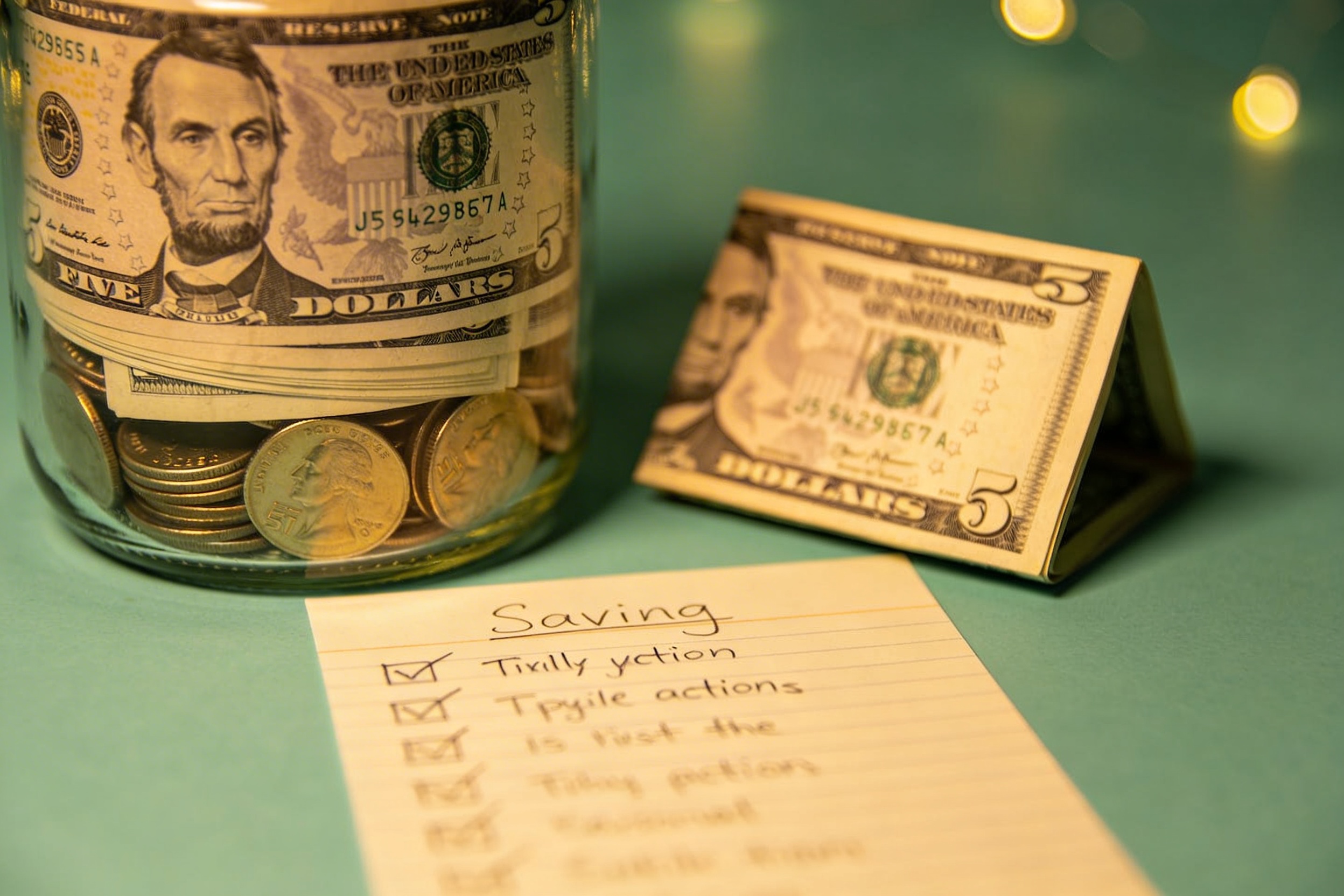
– You can stash the cash in a jar, a dedicated envelope, or a separate savings account.
– You can round up purchases to the nearest five bucks and drop the difference into savings.
– You can set a daily reminder and treat saving like brushing your teeth—non-negotiable.
FYI, the psychology side helps. Small amounts feel painless, and that cumulative payoff is incredibly satisfying. IMO, that dopamine hit is what keeps people coming back for more.
The simplest ways to make it work

If you’re wondering how to actually pull this off without turning your life into a spreadsheet nightmare, here are approachable paths.
Option A: The daily five
– Every day, you stash exactly $5. Simple, clean, predictable.
– If you miss a day, you don’t panic—just catch up later. The goal is momentum, not perfection.
– Use small containers or a savings jar so you can see progress visually.
Option B: The weekly five
– Save $5 on the same day each week. Consistency beats intensity.
– Pair this with a weekly review: what did you skip, what did you crush?
– Great for people who get paid on a specific day and have a reliable buffer.
Option C: The rounding method
– Round up each purchase to the next $5 increment and drop the difference into savings.
– It feels almost invisible, which is the point. You’re not changing your lifestyle; you’re changing your math.
– This method can siphon off a surprising amount over a month without you noticing.
Turning the spare change into real momentum
Small savings add up, but only if you treat them like a tiny team player rather than a guilt trip. Here’s how to keep the momentum going when life throws you a curveball.
Make it visible
– Use a clear jar or a striped progress chart. Seeing inches turn into a larger mountain helps your brain believe the payoff.
– Post a goofy progress photo each week. It keeps you accountable and adds a little fun.
Attach a payoff goal
– Pick something you actually want: a new backpack, a weekend trip, or a fat buffer for emergencies.
– Every time you hit a milestone, you celebrate without derailing the plan. Tiny celebrations > big guilt trips.
Common roadblocks (and how to dodge them)

No plan survives first contact with real life intact. Here’s how to dodge the usual traps.
Impulse purchases
– FYI, a well-timed coffee run can ruin a month-long plan. Try a “save first” rule: move the $5 before you spend otherwise.
– If you really crave something, set aside a separate “fun fund” to satisfy the urge without wrecking your savings.
Inconsistent income
– If your paycheck is irregular, switch to a flexible cadence: save when you have a solid week, skip when you don’t.
– The key is to keep the habit alive, not to chase a perfect number.
Low motivation
– Remind yourself of the micro-win moments: seeing the jar fill, crossing off a weekly target, telling a friend about your progress.
– IMO, accountability helps. Find a buddy to join you or share your progress on social (subtle bragging is motivational).
Tech tips to turbocharge your savings
If you love techie tweaks, these little tools can keep you hooked without turning saving into a chore.
Automation without losing control
– Set up an auto-transfer of $5 into your savings account each day or week. You keep the habit; the brain fights less about “doing it later.”
– Keep a human touch: review the transfers weekly and adjust if your situation changes.
Gamify the process
– Create mini challenges: “save 20 days in a row,” or “hit a mini-goal and unlock a small reward.”
– Gamification turns tedium into play, which is exactly what you want.
Real-life wins from people who started small

People across the internet have shared surprising wins from this tiny habit. Some turned the saved money into a travel fund, others into a starter emergency stash, and a few even into small investments. The vibe is consistent: consistency compounds, and the tiny wins keep you going.
– A college student built a $300 emergency fund in two months by stacking five-dollar saves around exams and breaks.
– A freelancer used the rounding method to save a surprising amount while paying off a small debt, then rolled the extra into a vacation fund.
– A busy parent used the weekly five to add a cushion for unexpected kid-related costs.
FAQ
Does the $5 Savings Challenge actually save me money?
Saving $5 consistently adds up over time. The total depends on how long you commit and how you handle the saved funds, but most people see a noticeable increase in their available cash within a month or two.
What if I miss days or weeks?
Chunks of time don’t erase progress. Pick up where you left off and keep going. The important thing is to maintain momentum rather than chase perfection.
Should I keep the money in cash or digital?
Cash gives a tangible feel and a quick visual cue of progress. Digital transfers are smoother and easier to manage long-term. Choose what you’ll actually stick with.
Can I customize the amount or frequency?
Absolutely. The magic is in consistency, not the exact dollar amount. If $3 or $7 works better for you, go for it. The objective remains steady, repeatable saving.
Is this a good strategy for debt repayment?
It can be part of a broader plan. Use the saved money to fund debt payments, but keep your debt strategy organized. Don’t abandon minimums on high-interest debt for the sake of a challenge.
Conclusion
The $5 Savings Challenge isn’t flashy, and that’s the point. Small, repeatable actions beat dramatic but unsustainable efforts every time. You’ll build a habit, see a growing balance, and feel a cumulative sense of control over your finances. So, why not start today? Five bucks, a little routine, and a big win waiting on the other side. If you’re skeptical, try it for a week and tell me you don’t notice the tiny bumps of progress. IMO, you’ll be hooked.