
Savings Challenges to Build an Emergency Fund That Actually Work
If you’re reading this, you’re probably staring at your bank balance wondering where the emergency fund vanished to. Spoiler: it happens to the best of us. The good news? Tiny, consistent savings can compound into real security. Let’s turn “saving” from a scary spreadsheet into a doable daily habit.
Why a tiny challenge beats a huge guilt trip
Ever notice how skipping one latte or one lunch-out can add up fast? The trick is not slashing your life to bits, but creating tiny, repeatable wins. A savings challenge gives you a clear target, a bit of suspense, and a steady stream of dopamine when you hit it. FYI, your future self will thank you.
5-Question kickoff: what exactly is your emergency fund for?

– Job loss or sudden illness
– Car repair or urgent home fixes
– Unplanned travel for family or emergencies
Clarify your target
Knowing whether you’re aiming for 3 months, 6 months, or a flat $1,000 changes every choice you make. Pick a goal you actually believe you can hit in 90 days, then scale up. It’s way easier to chase a realistic goal and celebrate small wins than to burn out chasing perfection.
Section 1: The 52-Week Zero-Excuses Challenge
This classic quietly works because it’s simple and relentless.
- Week 1: Save $1
- Week 2: Save $2
- Week 3: Save $3
- Week 52: Save $52
…
Why it sticks
Your brain loves patterns. A predictable increase makes the goal feel achievable. Plus, you’ll end with a substantial nest egg without gnashing your teeth every month.
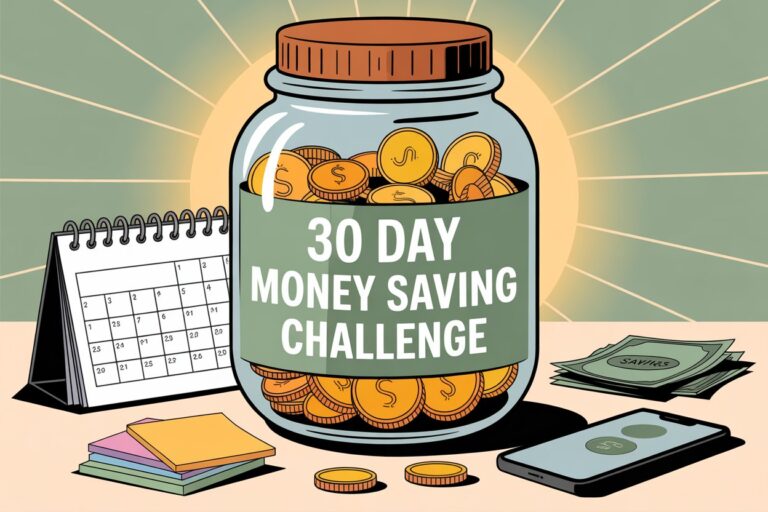
Section 2: The 30-Day “No-But-I-Really-Need-It” Mini-Challenge

Challenge yourself for a month to pause non-essential purchases. No-impulse buys, no excuses.
- Assess every purchase: do you truly need it?
- Skip small temptations: coffee runs, snacks, streaming add-ons.
- Automate extra savings if you can.
Ways to make it stick
– Track in real time with a quick note or app. Seeing each “no” add up keeps motivation high.
– Reward yourself at the end of 30 days with something inexpensive you love. Yes, you deserve it.
Section 3: The “Pay Yourself First” Habit, In 4 Steps
Step 1: Create a dedicated fund
Open a separate savings account or a labeled sub-savings pot in your existing account. Keeping it distinct makes it hard to dip into for everyday bills.
Step 2: Automate the transfer
Set up an auto-transfer on payday. Even a small amount counts. If you get paid weekly, automate weekly. If monthly, automate monthly. The goal is consistency, not aggression.
Step 3: Use a multiplier when possible
Whenever you get a raise, bump the automatic transfer. If you get a windfall (bonus, tax refund, birthday money), sock a larger chunk away. Your future self will throw you a party.
Step 4: Review quarterly
Check your progress every 3 months. Adjust contributions if life changes, not if you “feel” like it. This keeps you sane and in control.
Section 4: The “Round-Up” Challenge: Save the Change

This one’s cheeky and surprisingly effective.
- Round up every purchase to the nearest dollar and stash the difference.
- Choose a cap per week or month so you don’t overdo it. For example, cap at $10/week.
- Link the roundup to your emergency fund account automatically.
Why it works
Small amounts, big impact over time. Plus, you won’t notice you’re saving until you see the balance rise. It’s like credit-card points, but for your peace of mind.
Section 5: The “Future You Needs a Seat” Plan
Turn your goal into a personal narrative. Your future self deserves a comfy cushion.
- Write a short note from Future You. What would Future You thank Present You for?
- Place that note where you’ll see it every morning—on the fridge, on your mirror, or as a phone wallpaper.
- Tie a reward to milestones: every time you hit a target, treat yourself to a small, intentional celebration.
When self-talk helps
Use a friendly, no-judgment voice. “You’ve got this. It’s just a few coffees a week,” rather than “I’m failing if I don’t save.” The mind follows the language you use.
Section 6: The Social Accountability Angle
Saving is easier when you have a crew.
- Partner up with a friend and compare progress weekly.
- Join a savings challenge group online or in real life.
- Share small wins to keep the vibe positive and non-judgmental.
Accountability without shaming
The point isn’t to pile on guilt if someone slips; it’s to cheer each other on. A quick message like “Nice job hitting your weekly target!” goes a long way.
Section 7: Sudden-Life Scenarios: What If You Hit a Snag?
- Job loss or medical bills: Revisit your plan, reduce non-essential expenses, and keep automation alive if possible.
- Debt payoff mix: If you have high-interest debt, consider a small reallocation—still save a small amount while tackling debt with a plan.
- Irregular income: Use a flexible rule, like saving a percentage of every paycheck or every net income event.
FAQ
How much should I aim to save for an emergency fund?
It depends on your life. A common starting point is $1,000 for small hiccups, then growing to 3–6 months of essential expenses. If you’re self-employed or in a volatile industry, push toward 6–12 months. Start where you can and scale up as you go.
What’s the easiest challenge to start with?
The 52-Week Zero-Excuses Challenge is the simplest to implement because it requires almost no planning beyond picking a starting week. It builds momentum quickly and doesn’t demand big bucks upfront.
Is automation cheating my willpower?
Not at all. Automation is your ally. It keeps you consistent without relying on daily motivation, which will wobble. You’re still making the choice to save; automation just makes that choice automatic.
Can I combine these methods?
Absolutely. Pick one or two methods that vibe with you and stack them. For example, pair the Round-Up Challenge with Pay Yourself First. The multimethod approach often compounds results.
What if I don’t have a separate savings account?
It’s not a deal-breaker. You can open a no-fee online savings account quickly, or create a distinct savings envelope in a higher-interest area of your existing bank. The key is visibility and separation from daily spending.
Conclusion
Saving for emergencies doesn’t have to feel like a punishment or a punishment dressed as a plan. It’s a set of small, repeatable habits that slowly reshape your financial safety net. Start with one 30-day edgy challenge or a 52-week crescendo, automate what you can, and keep the vibe positive. Your future self will be sipping lemonade on a worry-free afternoon while you enjoy the peace of mind you earned through consistency. So, which method are you trying first, and what tiny win can you promise yourself this week?