
Minimalist Budgeting Tips for Simple Living: Tiny Finance, Big Peace
If budgeting felt like a chore, let’s flip the script. Minimalist budgeting isn’t about starving your joy; it’s about keeping the good stuff you actually want—without the guilt trip. You’ll breathe easier, spend smarter, and still have room for lasagna-cheese-level deliciousness in your life. Sound good? Let’s dive in.
Cutting clutter, not vibes: the heart of minimalist budgeting

Are you honestly chasing more life or more receipts? The core idea is simple: figure out what truly matters and trim the rest. You don’t need to hoard every sale flyer or track every sneeze from your device. You need a system that fits real life—yours, specifically. FYI, a good budget should feel like a tiny safety net, not a straitjacket.
Start with a tiny, honest baseline
– Be real about your fixed costs: rent, utilities, debt payments, and essentials.
– Estimate flexible spending for essentials: groceries, transport, and a small “fun” fund.
– Build a no-fuss buffer: aim for 1-2 weeks of living expenses as a starter.
How to set it up quickly:
- List your monthly must-haves (rent, utilities, phone, insurance).
- Estimate essential variable costs (groceries, gas, meds).
- Allocate a small amount for fun and surprises—this isn’t punishment money; it’s prevention against blowouts later.
Sweet, simple budgeting formula
– 50/30/20 is a classic, but you can tailor it. Try 40/40/20 if you want more breathing room.
– Essentials take priority; wants get trimmed first; savings stay constant if possible.
– Review monthly, not weekly. You’ll save time and avoid overcorrecting.
Smart spending: tiny habits make a big dent

The fastest way to save is to change tiny behaviors that add up. You don’t need a spreadsheet sermon to win this.
- Shop with a list and a hard stop. If it isn’t on the list, you skip it.
- Use a 24-hour rule for impulse buys. If you still want it tomorrow, maybe you’ll buy it then.
- Meal plan in minutes, not hours. A few flexible recipes keep grocery bills sane.
- Pay with cash for the “fun money.” It makes the budget feel real when the envelope is empty.
Fiendishly practical fixer-uppers
– Cancel unused subscriptions. If you forgot you had it, you won’t miss it.
– Switch to cheaper energy options or adjust thermostats by a degree or two. Tiny climate tweaks, big bills relief.
– Buy in bulk only for items you will actually use and can store safely.
De-clutter finances, not dreams
Minimalism in money means you don’t own more accounts or cards than you can manage. Less is more when it comes to tracking.
- Consolidate accounts where you can. One bank, one budget, less chaos.
- Automate only what you won’t forget to do—like essential payments and automated transfers to savings.
- Label everything clearly. A simple file system for receipts and digital statements saves hours later.
Automations that actually work
– Automated debt payments prevent late fees and awkward conversations with lenders. It’s boring but powerful.
– Save a fixed amount each month, right after payday. It’s like tucking money under the mattress but online and safer.
Minimalist mindset: how to stay motivated
Budgeting isn’t a one-and-done sprint; it’s a perpetual remix. Staying motivated comes from seeing real results without burning out.
- Set micro-goals you can celebrate: a no-spend weekend, a debt payoff milestone, a tiny upgrade to your groceries.
- Track progress in plain sight. A single graph or a simple checklist beats a spreadsheet showdown.
- Make peace with variability. Good months still happen; bad months don’t have to derail you.
When life throws you curveballs
– If a medical bill or car expense pops up, reallocate. Move “fun” money into the emergency pile for a couple of months, then re-balance.
– Don’t resign yourself to debt. Small, steady payments beat heroic but unsustainable attempts.
Minimalist budgeting in real life: a week-by-week glimpse
A practical touchpoint helps you see how it plays out day-to-day.
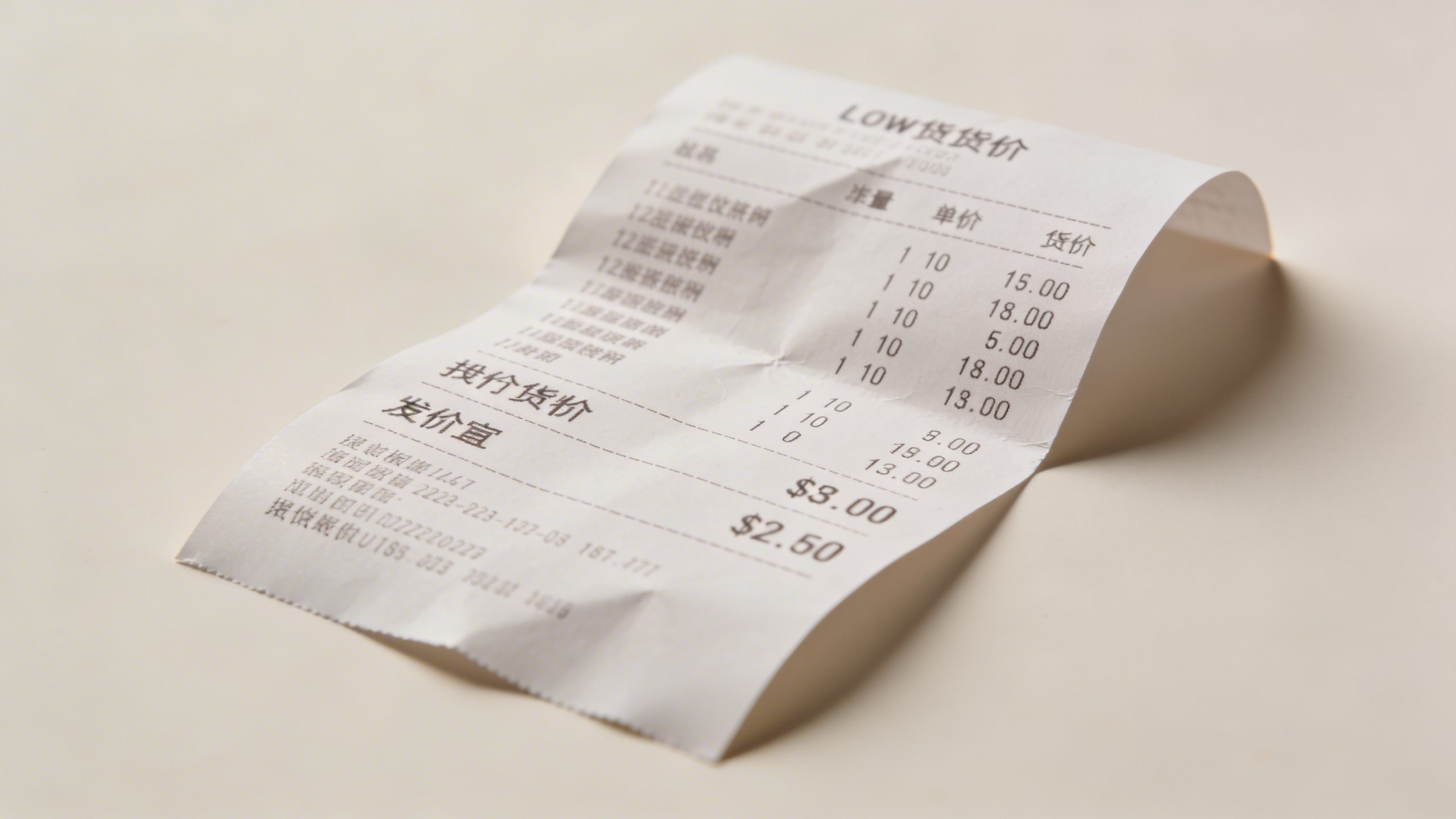
- Week 1: audit what you actually spend. Grab receipts for a week and categorize into essentials, wants, and savings.
- Week 2: trim aggressively. Cancel one non-essential on a trial basis, like a streaming add-on you never use.
- Week 3: test a tiny meal plan. Cook five dinners at home and notice the difference in your wallet and waistline.
- Week 4: review and reset. If you hit the target, celebrate; if not, adjust the plan, not your ambition.
FAQs: quick answers to common minimalist budgeting questionsWhat exactly is minimalist budgeting?
Minimalist budgeting focuses on the essentials, trimming excess purchases, simplifying money management, and prioritizing savings and meaningful spending over impulse buys. It’s less about depriving yourself and more about clarifying value.
How do I start if I have debt?
First, list all debts with interest rates. Then prioritize high-interest debts, while maintaining minimums on the rest. Set aside a small, regular amount toward debt every month and celebrate tiny victories along the way.
Is it okay to treat myself with my budget?
Absolutely. A tiny, pre-approved “fun fund” keeps you motivated and avoids guilt spirals. IMO, life is for living, not labeling every moment as a savings sacrifice.
What if I have irregular income?
Create a base budget using your average income, but build a safety cushion for lean months. Save more during high-income months and adjust discretionary spending accordingly.
How can I make budgeting less boring?
Gamify it a little: set challenges, share progress with a friend, or reward yourself for hitting milestones. FYI, small wins are addicting in a good way.
Conclusion
Minimalist budgeting isn’t about hollowing out your life; it’s about choosing the path that gives you more freedom with less clutter. When you know what matters and you keep a light, flexible plan, money stops being a source of stress and becomes a tool for living well. Start small, stay consistent, and don’t be afraid to adapt as life changes. You’re not aiming for perfection—just a smoother, calmer financial runway. Ready to give it a try? Your future self will thank you.