Simple Budget Rules to Follow Every Month That Actually Work
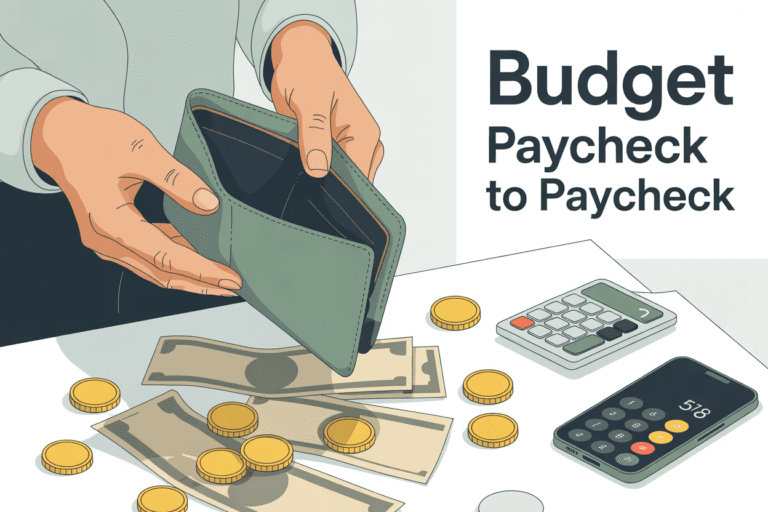
If you’re trying to win back some of that paycheck that quietly vanishes every month, you’re in the right spot. Simple budget rules that actually work beat complicated systems any day. Let’s keep it practical, painless, and a little bit fun.
Rule 1: Know Exactly Where Your Money Goes
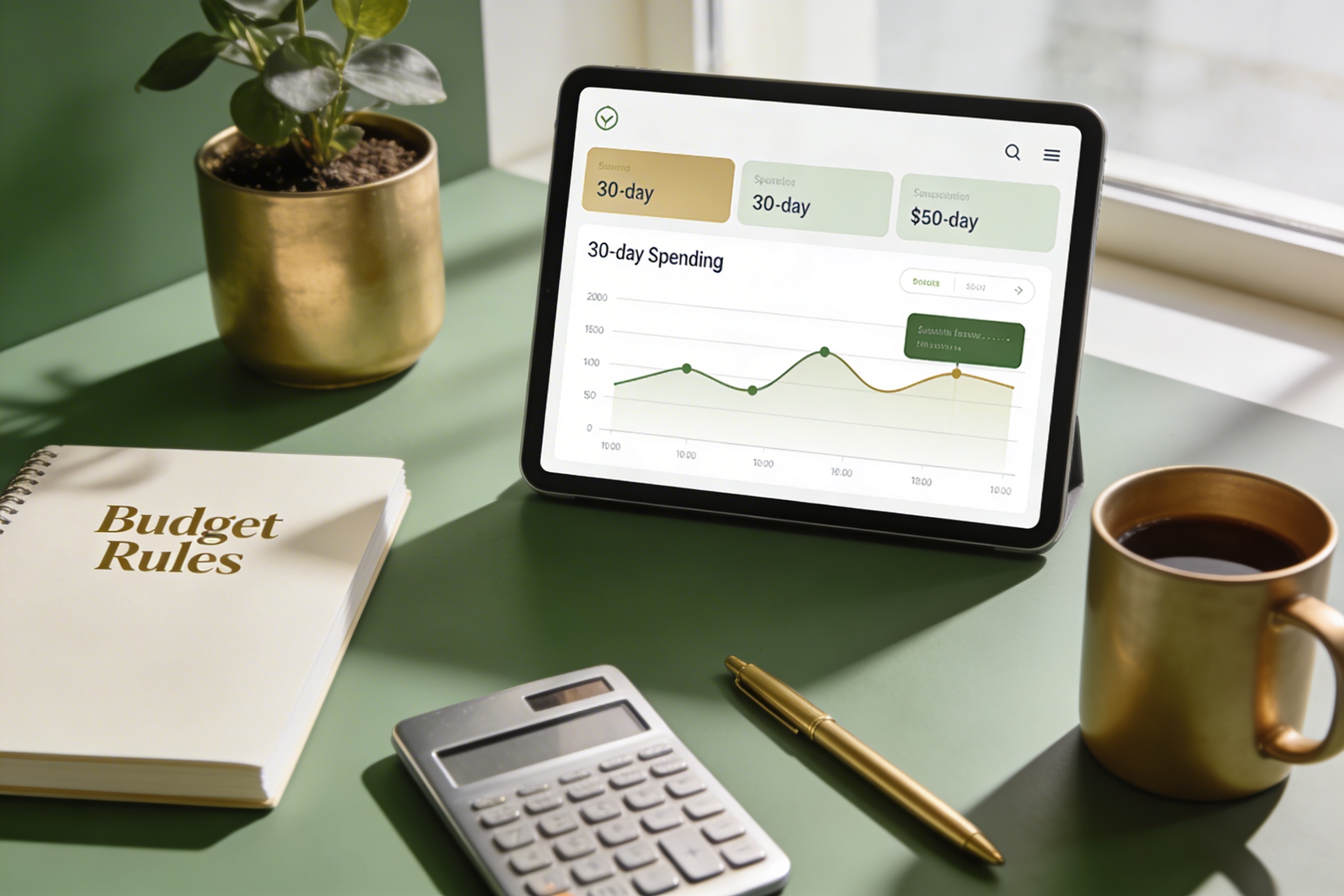
You can’t fix what you don’t measure. Start with a quick snapshot of the last 30 days: income, essentials, and a few splurges. No judgment, just data.
– List your income sources and total monthly take-home.
– Track essentials: rent, utilities, groceries, transportation.
– Note the “nice-to-haves”: dining out, streaming, impulse buys.
– Subtract, and you’ll see leftovers (or gaps).
If you’re bored already, FYI: you don’t need perfect precision to start. A rough map beats a fuzzy dream every time. Aim for accuracy plus speed—30 minutes max to set it up.
Rule 2: 50/30/20, But Make It Your Own

The classic 50/30/20 rule is a good starting point, but you should tailor it. Here’s a quick way to adapt without losing sight of goals.
– 50% needs: rent, groceries, utilities, insurance.
– 30% wants: fun stuff, hobbies, occasional treats.
– 20% savings: emergency fund, debt payoff, investments.
If your needs are high (hello, city living or debt), shift the numbers. Maybe 60/20/20, or 40/30/30. The key: automate savings so you don’t rely on willpower alone. Set it and forget it, like a boring financial-spouse that never complains.
Rule 3: Automate the Mundane Stuff
Automation is your best friend. It handles the boring, repetitive tasks so you don’t have to.
– Auto-transfer a fixed amount to savings right after each payday.
– Set up automatic bill payments to avoid late fees.
– Use apps to categorize expenses in real time.
Ask yourself: do I still feel “in control” if I don’t manually move money? If the answer is yes, you’re winning.
Subsection: The “Envelope” Technique, Modernized
If you’re a hands-on person, try a digital envelope system.
– Create 3–5 spending envelopes: groceries, dining out, entertainment, miscellaneous.
– Allocate monthly amounts to each envelope.
– When the envelope is empty, you pause or switch priorities.
This keeps you honest without turning budgeting into a buzzkill. It’s budgeting with a tiny bit of gamification.
Rule 4: Automate “No-Drama” Debt Payoff

Debt is the budget saboteur that shows up with dramatic flair. So we treat it with a plan, not a pep talk.
– List all debts by interest rate (APR) and balance.
– Apply the avalanche method (highest APR first) or snowball (smallest balance first).
– Allocate a fixed extra payment each month to the chosen method.
Bonus: negotiate interest rates where possible. A quick call or chat with a lender can shave a few percentage points off, and that adds up over time.
Rule 5: Build a Tiny Emergency Fund First
An emergency fund isn’t a myth, it’s a shield. Start small if you must, but start now.
– Target $1,000 as a starter goal, then grow to 3–6 months of essentials.
– Keep it in a separate savings account you don’t touch for daily whimsy.
– Replenish after any use, pronto. Think of it as a financial SPF.
Having cash cushion reduces stress and stops budgeting from spiraling into “I’ll figure it out later.”
Subsection: Quick Wins for the First 90 Days
– Cut one recurring expense you barely notice (audible sigh at unused gym memberships count).
– Rollover a weekly coffee or takeout habit into a homemade alternative.
– Find a bill you can switch to a cheaper plan without sacrificing service.
Small wins compound, just like interest, but friendlier.
Rule 6: Track, Don’t Berate Yourself

Keep the mood light. Budgeting should empower, not guilt-trip you.
– Do a weekly 15-minute check-in to review groceries, dining, and splurges.
– Celebrate tiny milestones: a saved $50, a debt payment, a canceled subscription.
– If you falter, adjust, don’t abandon ship. Rebalance toward your goals.
Remember, you’re aiming for consistency, not perfection. IMO, consistency > intensity in the long run.
Rule 7: Plan for Irregular Income and Quirky Months
Not everyone’s paycheck is a neat drip-feed. If you’re self-employed, freelance, or have variable hours, you need a system that flexes.
– Create a “base needs” budget using your lowest recent income.
– Treat any extra income as a windfall for savings or debt payoff.
– Build a “buffer” to smooth out seasonal dips.
Question: how much buffer is enough? A safe bet is to cover 1–2 months of essential expenses from irregular income, then expand over time.
Subsection: The 3-Step Irregular-Income Plan
1) Identify your minimum monthly needs.
2) Set a savings cushion equal to one month’s needs.
3) Divide any extra income into: 50% savings, 30% debt, 20% fun (or adjust to taste).
This keeps you stable without killing the vibe.
Frequently Asked Questions
How much should I save each month?
That depends on your goals and current situation. A practical starting point is 5–10% of take-home pay if you’re paying off debt. If you’re debt-free or focused on an emergency fund, push toward 20% or more. The important thing is to start and stay consistent.
What if I overspend this month?
Pause, assess, and adjust. Track the overspend, identify triggers, and tweak the next month’s plan. Small slips happen; don’t let them derail you. Recommit tonight, not tomorrow.
Is it better to cut expenses or earn more?
Both help, and you don’t have to choose one. Cut unnecessary costs first to create space, then look for income boosts that fit your lifestyle. The goal is balance, not martyrdom.
How do I keep motivation without counting every penny?
Automate the boring stuff, set clear goals, and celebrate milestones. Create a simple reward system for hitting targets—moderation is your friend. Also, remind yourself that this is about freedom, not punishment.
Can I use cash for better control?
Physical cash can help some folks feel more connected to spending. If it works for you, go for it. Just make sure you’re not clinging to cash to the point of missing digital convenience like automated savings or bill payments.
Conclusion
Budgeting doesn’t have to feel like a spreadsheet hellscape. With these simple, flexible rules, you’ll set a rhythm that sticks. Know where your money goes, automate what you can, and keep debt in check without turning life into a spreadsheet marathon. Start small, stay consistent, and tweak as you go. See what sticks, celebrate the wins, and yes, you’ll finally get a grip on your finances without sacrificing your sanity. If you want, I can tailor a 30-day starter plan based on your actual numbers and goals. We’ll keep it practical, no fluff, and definitely not judgmental.