
How to Budget for Travel Without Stress: Easy Way to Save
I know the feeling: you see dream trips everywhere, but your bank account is yelling at you to keep it real. Budgeting for travel shouldn’t feel like a guilt trip or a math test. It should feel like planning for something you’re actually excited about. Let’s make this easy, doable, and dare I say, a little fun.
Define your travel vibe and set a realistic number
Ask yourself: what kind of trip am I actually likely to take in the next 6–12 months? Are we talking a city break with street food, a week in a beach town, or a rugged hike with dorm Wi‑Fi? Narrow it down, because a vague ambition drains your wallet.
Tip: pick a single realistic budget target, not a dreamland fantasy. If you don’t know where to start, look at past trips and estimate 20–30% more for the next one.
Track your money like a detective on vacation

You need a clear view of where your cash goes. No judgment, just data. Track every dollar for a month, then spot the obvious leaks.
- Recurring expenses you can cut or pause
- Subscriptions you forgot you had
- Impulse buys that disappear from the wallet fast
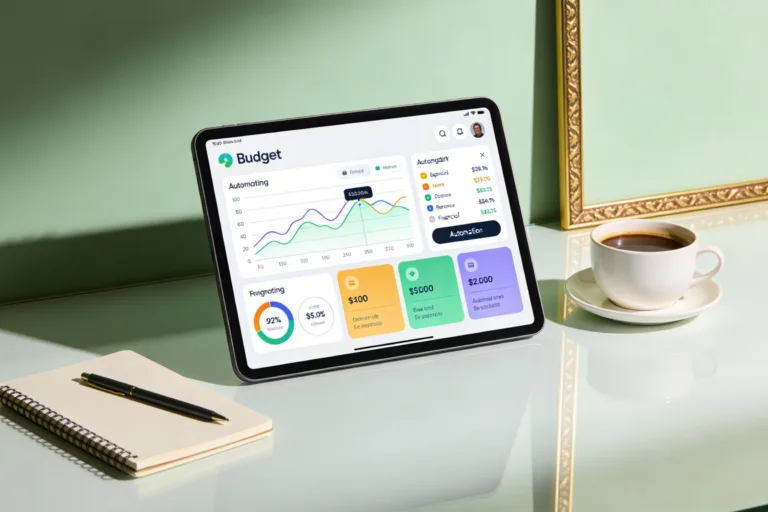
FYI, you don’t have to become a financial monk. A simple app or a spreadsheet works, as long as you actually use it.
Build a travel fund without hating your life
Saving doesn’t have to feel like deprivation. You want a fund that grows and isn’t a drag. Here are practical moves that don’t suck the joy out of your month.
- Automate transfers on payday into a travel account
- Set a weekly, tiny target (like $5–$15) you won’t miss
- Round up purchases to nearest dollar and stash the change
- Pro tip: label the fund clearly. When you see “Europe 2024 Fund,” it’s easier to stay motivated than “Savings.”
- Revisit the target every quarter. If you’re closer to your goal, celebrate with a tiny, frugal reward—tsk, not a shopping spree.
Smart budgeting tricks that actually work

Budgeting isn’t boring when you do it with a few clever moves. Here are tactics that feel like a cheat code—without breaking the rules.
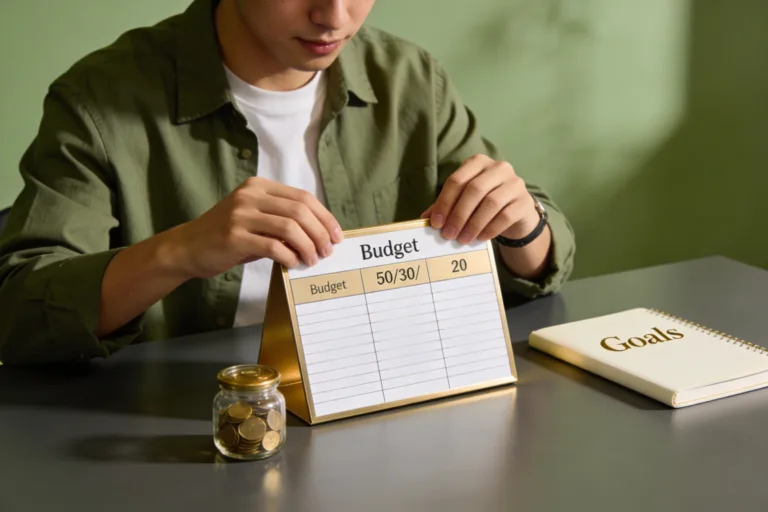
- Split your travel budget into buckets: transportation, lodging, food, activities
- Use price alerts and flexible dates to snag cheaper flights
- Set a daily cap for spending once you’re there
Bucket method: name your voyage, name your spending
Assign each category a fixed amount, then live within it. If you overspend in one bucket, you trim another. It keeps you in control without micromanaging every coffee run.
Example: $200 for lodging, $150 for food, $60 for transport, $40 for activities, $50 contingency.
Staying flexible with dates and routes
Prices swing like a mood ring. If a destination isn’t date‑locked, search a few nearby dates or airports. Sometimes leaving a day earlier or later saves hundreds.
IMO, option trading your travel dates is the adult version of choosing the free slice of pizza.
Make the trip affordable without missing out
Budgeting isn’t deprivation; it’s optimization. The trick is to decide what you truly care about and cut the rest.
- Prioritize experiences over status symbols
- Trade fancy meals for delicious local eats from markets
- Find free or cheap activities that still feel magical
Where to save on the big-ticket items
Big costs like lodging and flights usually have the most room for savings. Consider:
- Staying in a well-located hostel or a budget apartment
- Flying midweek or with a connection instead of nonstop
- Booking well in advance vs last‑minute deals
FYI—you can still travel in style on a modest budget if you pick the right balance of comfort and cost.
Maximize value without micromanaging your life

Value isn’t just price; it’s experience per dollar. Choose options that heighten the trip without blowing the budget.
- Invest in a great neighborhood vibe over a fancy hotel
- Use city passes or combo tickets for museums and tours
- Eat like a local—street food and markets often taste better and cost less
Planning tools that won’t crash your brain
Try simple tools that actually help:
- Travel budget templates with categories
- Price trackers for flights and hotels
- A one-page itinerary with must‑dos and nice‑to‑dos
IMO, if it’s not easy to use, you won’t use it. Keep it breezy.
Dealing with the “what ifs” without anxiety
What if something goes wrong? The only fear you should have is missing your alarm for the airport. Build a small safety net and a plan.
- Emergency travel fund for unexpected costs
- Backup plan in case of delays or cancellations
- Travel insurance for big trips (yes, it’s worth it)
When the unexpected hits
If a trip gets derailed, don’t panic. Reframe it as a chance to tweak your plan. Maybe you discover a hidden gem while staying closer to home.
- Assess costs saved by staying put
- Reschedule rather than cancel when possible
- Log what happened so you’re smarter next time
FAQ
How much should I save before booking a trip?
A practical baseline is 25–40% of your total anticipated trip cost in a dedicated fund. Then add a cushion for last‑minute changes. If you’re new to saving, start with a small monthly target and ramp up as you get comfortable.
Is it okay to use credit cards for travel budgeting?
Yes, but use them wisely. A travel rewards card can help you earn perks, but only if you pay your balance in full each month. Don’t chase points at the expense of your budget.
How do I stay motivated to save for travel?
Make it tangible. Name the trip, share the plan with a friend, and reward yourself with tiny milestones. Short-term wins keep the momentum alive. And FYI, a little bragging rights never hurts.
What if my trip costs more than I saved?
Adjust the plan: swap to a cheaper destination, shorten the trip, or lower daily spend. The goal isn’t perfection; it’s progress. You’ll still end up with great stories and fewer stress moods.
How can I travel more often without burning through savings?
Use a rotating calendar of micro‑trips: long weekends, nearby getaways, or day trips. Consistent, smaller adventures build the habit and keep your budget healthy. Small wins compound into big memories.
Conclusion
Budgeting for travel should feel like plotting your next favorite chapter, not a medical exam. Get clear on what you want, track what you spend, and automate basics so you don’t think about it daily. When you align your money with your travel dreams, you’ll fall into a groove where exciting trips happen without the stress hangover. Ready to pack your bags and your budget? Let’s do this, one smart decision at a time.