How to Budget Your First Paycheck Without Guilt
I just got your first paycheck, and the real work begins: turning that shiny number into something you actually control. No fluff, no guilt trips—just a practical plan you can follow this week. Ready to feel like a budgeting badass? Let’s dive in.
What to do with that first paycheck in the first 72 hours
– Decide what truly matters to you. Freedom money, debt relief, or a tiny safety net?
– Open a simple bank account or set up a separate savings jar. First step: give every dollar a job.
– Track the numbers, not the vibes. You’ll thank yourself later when you don’t wonder where your money went.
Set your goals, fast and clear

- Emergency fund 목표: at least $500 to start, then aim for 3–6 months later.
- Debt strategy 목표: list high-interest debts first and chip away smartly.
- Short-term treats 목표: a small splurge fund for something you’ll actually use (not the impulse buy).
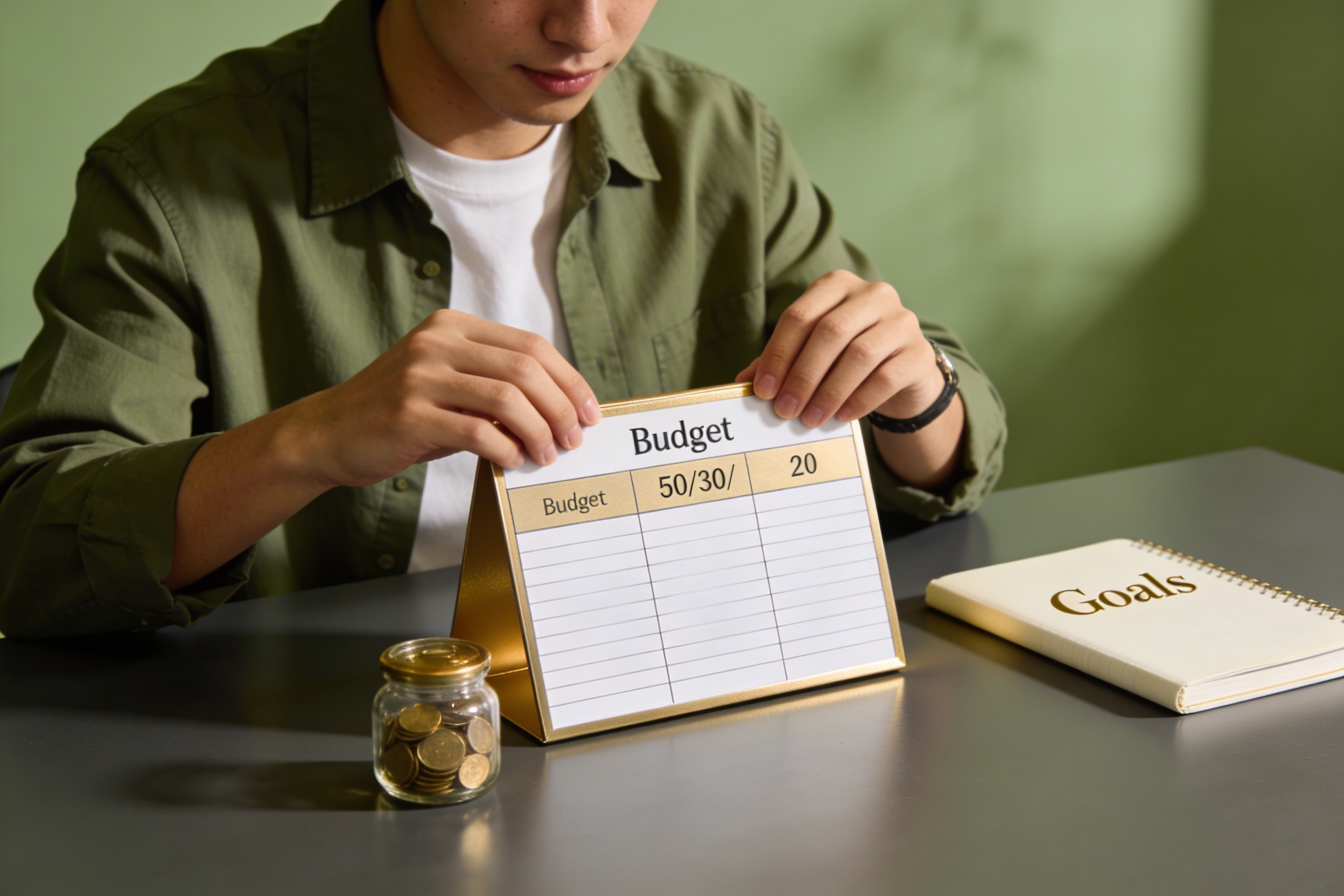
Build a simple 50/30/20 plan you can actually follow
Yes, that classic rule exists for a reason, but you can tailor it without losing its backbone. The idea is to allocate money to needs, wants, and growth or debt.
- 50% needs: rent, utilities, groceries, transport. The bare minimum, but no cheating here.
- 30% wants: dining out, hobbies, streaming, that fancy gym class. This is where you get to enjoy your money.
- 20% growth/debt: savings, investments, extra debt payments. Growth money that compounds, not just punting down the road.
FYI, it’s not sacred. If you’re paying off student loans or cranking rent, you might shift to 60/20/20 or whatever sticks. The point is to have a framework you actually use, not something you paste into a planner and forget about.
Automate what you can, so you don’t have to think

Automation is the budget’s best friend. It turns “I should save” into “I already did.”
- Direct deposit split: choose two or three bins—checking, savings, and an emergency fund. Let your paycheck do the work.
- Automatic transfers: set a weekly or biweekly transfer to savings or debt payoff. If you don’t see it, you won’t miss it.
- Bill reminders: package essential bills together so you don’t miss a due date and incur fees. No one needs extra stress.
Track once, iterate forever
Honest tracking beats wishful thinking every single time. Keep it simple and honest.
- Weekly quick check: skim spending from the past 7 days. Where did you actually spend? Any obvious leaks?
- Adjust the plan: if you overspend on food, pull back from a nonessential category. It’s a budget, not a prison sentence.
- Celebrate tiny wins: you stuck to your plan for a week? Treat yourself to something small—inside budget, of course.
Common first-paycheck mistakes (and how to fix them fast)

Yes, we all stumble. Here are the quick fixes that save you from spiraling into “I’ll start next month”.
- Ignoring debt until bills pile up. Fix: earmark 20% of every paycheck specifically for debt payoff until you hit a milestone.
- Over-indexing on wants right away. Fix: wait 24–48 hours before buying big. If you still want it after that, plan it properly.
- Forgetting about irregular expenses like car maintenance or gifts. Fix: set up a calendar reminder and funnel a little each week.
Saving tricks that actually feel like progress
You don’t need a trust fund to start saving. You just need a couple of tiny, reliable moves.
- Round-up savings: round each purchase up to the nearest dollar and stash the difference.
- Micro-savings: think $5 or $10 per week into an emergency fund. It compounds in a month, not a year, and that’s enough to feel the win.
- Gift fund: if you’ve got people who expect a present, set aside a small amount monthly so you don’t tap your emergency fund for birthdays.
What to do if you’re living paycheck to paycheck
First, you’re not alone. Second, you can still build a cushion with tiny steps.
- Boost income where possible: freelance gigs, side hustles, or a part-time role can shift the balance fast.
- Slash the tiny leaks: subscriptions, impulse purchases, eating out every day. Small cuts add up quickly.
- Move to a bare-bones month: pick a month and trim the fat. Eat what’s in the pantry, pause nonessential spending, and re-evaluate.
FAQ
Is the 50/30/20 rule really worth it for a first paycheck?
Yes, as a starting framework it’s simple and adaptable. It helps you see where your money goes and gives you permission to adjust as life changes. If you need more precision, turn it into 60/20/20 or 40/40/20—whatever actually sticks.
How soon should I start saving for emergencies?
Start with a goal of $500 as a quick win, then grow to 3–6 months of expenses. The sooner you begin, the less scary it feels when life throws a curveball. IMO, small, consistent steps beat grand promises any day.
What should I automate first?
Automate your savings and debt payments first. After that, automate essential bills and then a little “fun” money if you like. Automation reduces decisions, which is the real power move here.
How do I handle leftovers at the end of the month?
Leftovers are a luxury—treat them like a bonus. You can roll them into savings, invest them, or add them to a debt payoff pot. If leftovers happen often, re-evaluate your plan—maybe your needs or income shifted, and that’s a good thing to notice.
What if I hate budgeting and it feels restrictive?
Then you’re probably overcomplicating it. Keep it simple: two or three goals, a clear split, and a habit of checking in weekly. Make room for a reasonable treat fund so you don’t feel deprived. FYI, the best budgets feel like a helper, not a jailer.
Conclusion
<pBudgeting your first paycheck isn’t glamorous, but it’s massively empowering. Set clear goals, automate the boring stuff, and track with honesty. You’ll build momentum fast and stop wondering where your money went. So, grab your paystub, pick a couple of tweaks, and start acting like the financially savvy adult you’re becoming. You’ve got this.