
How to Budget for Debt and Savings Together: a Practical Plan
I get it: debt piling up and savings feeling far away. You want to tackle both at once without losing your mind. The good news: you can budget for debt and savings together, and you don’t need a thesaurus of financial jargon to do it. Let’s break it down so it actually sticks.
Why you can’t choose between debt payoff and saving
You’ve heard the classic dilemma: pay off debt or save for emergencies. Why not both? Because money tends to leak when you split it unevenly—minimum payments here, a pittance saved there. But when you coordinate the two goals, you create a loop: paying down debt reduces interest, which frees up more money to save. Then that savings cushion protects you from digging the debt hole deeper when life tosses a curveball. It’s not magic; it’s a simple system that respects reality.
Set your two-anchor plan: basics you can actually follow
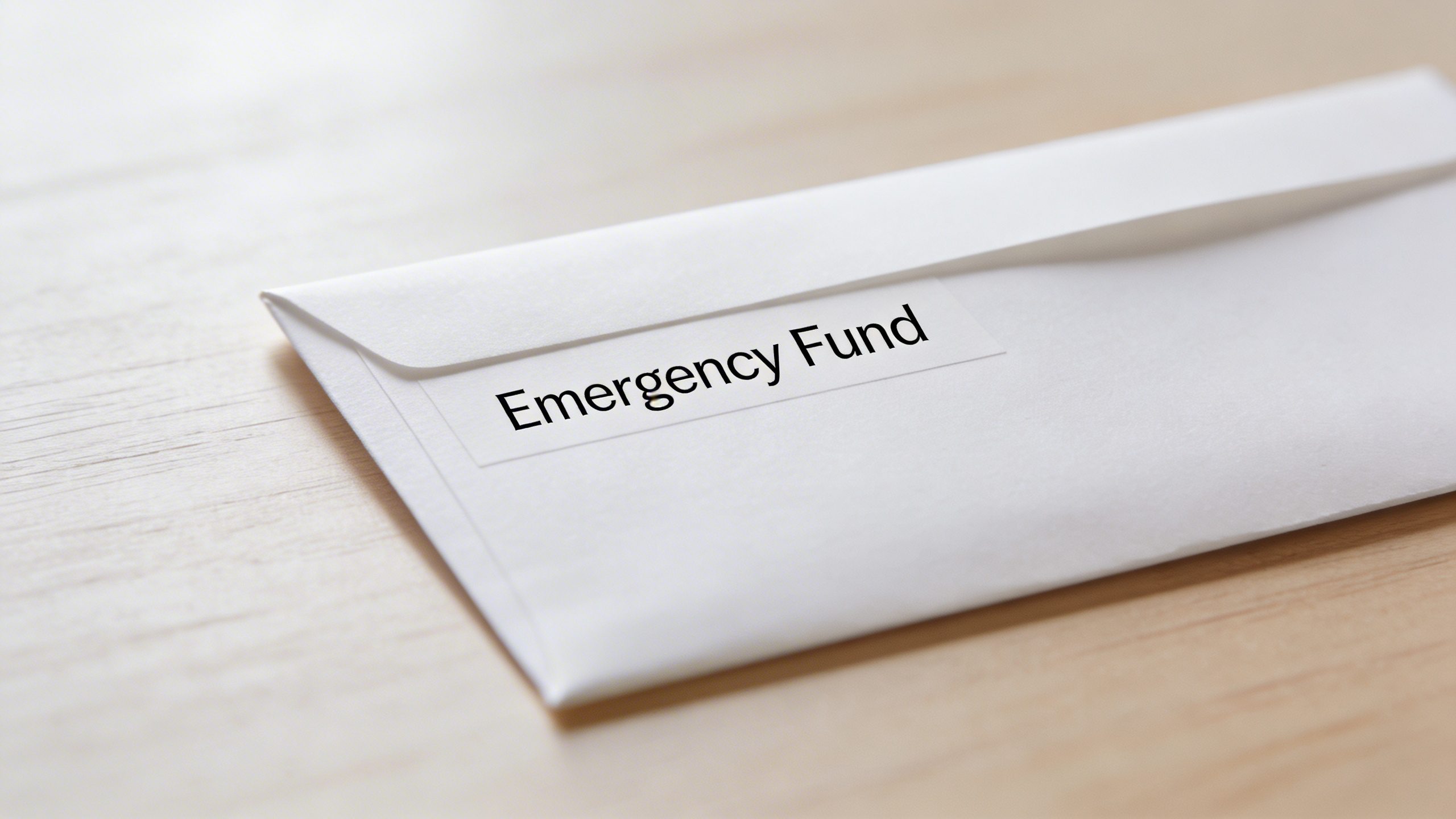
First, define two anchors: debt payoff and an emergency fund. Here’s a friendly way to set it up.
- Emergency fund minimum: Aim for $1,000 to start, then grow to 3–6 months of expenses over time. This is your parachute for car repairs, medical surprises, or a burst laundry-machine crisis.
- Debt priorities: List debts by interest rate (highest first) or by snowball comfort (smallest balance first). Pick one method and stick with it long enough to see progress.
- Total monthly budget: Decide how much you can allocate without starving essential expenses. This is your floor, not a dream scenario.
FYI: the exact numbers aren’t sacred. They’re a starting point you can adjust as you learn what actually sticks.
“Split, don’t starve”: the balanced allocation method
The key move is to split every dollar with intention. A common approach looks like this: pay essential living costs, set aside a fixed emergency fund amount, then divide the rest between debt and savings. You don’t need a perfect percentage—start with a plan you can actually follow for 60–90 days.
Two quick allocation strategies you can steal
- 70/20/10 method: 70% for living costs, 20% toward debt payoff, 10% to savings. If debt is really piling up, nudge the debt slice higher and shrink savings temporarily.
- Debt-first with a tiny cushion: Save enough to hit your $1,000 (or your target) emergency fund, then blast the rest toward debt. Rebalance once the high-interest debt is gone.
Remind yourself: consistency beats occasional windfalls. Save a little every month, even if debt remains stubborn. Small, steady actions beat big, heroic efforts that never happen.
Make the math your friend, not a monster
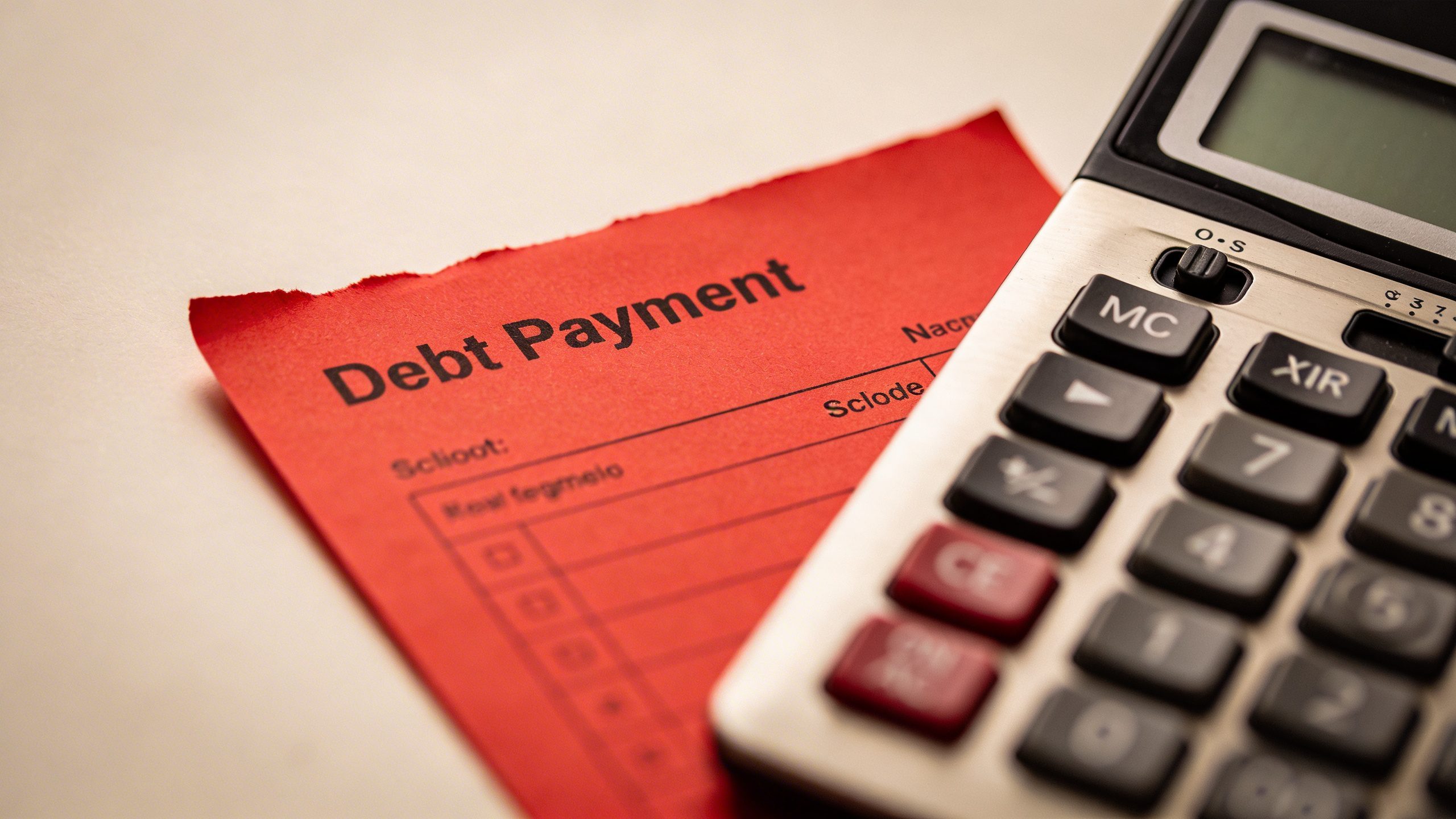
If you hate numbers, I hear you. Here’s a simple way to tailor your plan without becoming a spreadsheet monk.
- Calculate your monthly essentials: Rent, utilities, groceries, transportation, minimum debt payments. Subtract these from your take-home pay.
- Set a target for emergencies: Decide how aggressive you want to be. A $1,000 starter fund is practical; three to six months of expenses is ambitious but worth it.
- Describe your split: Choose how you’ll divide the leftover money between debt and savings. Write it down and look at it every week so you don’t drift.
If you’re curious about numbers, here’s a quick thought experiment: say you have $2,000 left after essentials. You decide to put $400 into savings and $1,200 toward debt while putting $400 into the emergency fund to reach your starting goal. Doable? Yes. Sustainable? Absolutely—if you tune it as you go.
When to pause savings for a bigger payoff
There are moments when you might want to crank debt payoff more than saving. Think high-interest credit cards or a loan with double-digit rate. A few indicators to watch:
- Your interest rate on debt is higher than your expected return on savings (which is often near zero for a savings account).
- You have a looming payment that could trigger penalties or fees if you miss it.
- Your emergency fund is extremely slim (under $1,000 or a few weeks of expenses), and life feels unstable.
In those cases, it’s okay to “save less while you save more” on debt. The goal isn’t to be perfect; it’s to reduce risk and build momentum.
Automate, then audit: keep the system honest

Automation is your best friend here. It reduces the friction of budgeting and helps you stay on track.
- Automatic transfers: Schedule a monthly transfer to your savings and a separate one to debt repayments. If your cash flow changes, you can adjust on the 1st of every month.
- Split tasks: Use a single paycheck funnel. For example, 60% goes to essential costs, 20% to debt, 10% to savings, 10% to the emergency fund top-up. Tweak as needed.
- Review cadence: Set a monthly 15-minute review. Ask, did I hit my targets? Where did I slip? What can I adjust?
Scheduling reviews keeps you from spiraling into “I’ll start tomorrow” without actually starting.
Be realistic about the windfalls and the letdowns
Life loves curveballs. A big refund, a side gig, or a generous gift can accelerate your plan. On the flip side, a car repair or a medical bill can derail your best-laid budget. Build in a buffer for both.
- Windfall rule: Decide in advance how you’ll allocate unexpected money. Example: 50% toward debt, 30% into savings, 20% for fun or a small reward.
- Ding-proofing your plan: If you miss a target, don’t panic. Recommit the next month. The goal is consistency, not perfection.
FYI: progress accumulates. A small weekly saving bump or a few extra dollars toward debt each month compounds over time.
FAQ
How do I start if I’m in serious debt and can barely breathe financially?
You start with a tiny, doable plan. Build a small emergency cushion (even $250 or $500 helps). Then pick one debt to tackle first—preferably the one with the highest interest or the smallest balance if you need quick wins. Automate whatever you can so you don’t have to think about it every month. FYI, momentum matters more than the exact numbers.
What if my employer doesn’t offer automatic payroll deductions for savings or debt payoff?
No problem. Set up automatic transfers from your bank to your savings and debt accounts. It’s not as slick as payroll deductions, but it works. The key is consistency. Schedule the transfers right after you get paid so money doesn’t wander elsewhere.
Should I save in a high-yield account or a retirement account first?
If you have access to an employer match on a retirement plan, contribute enough to capture the match—it’s free money. Beyond that, prioritize an emergency fund. Once you’ve got cushion, you can allocate more to debt payoff and a separate savings account.
What if I get a raise—how should I adjust?
Nice problem to have. A good approach: keep your living costs steady, increase savings first, then debt payoff, and only adjust discretionary spending. The habit of “save more when I earn more” compounds quickly.
Is there a simple template I can copy?
Yes:
– Step 1: List essentials and minimum debt payments.
– Step 2: Set emergency fund target (starter or full).
– Step 3: Decide a split (e.g., 60/20/20 or 70/20/10) and automate.
– Step 4: Review monthly, then adjust.
– Step 5: Celebrate small wins to stay motivated.
Conclusion
Budgeting for debt and savings together isn’t about a strict zero-sum game. It’s about building a gravity well for your money—automatic, consistent actions that pull you toward both less debt and more security. Start with tiny steps, stay honest with yourself, and tweak as you learn what actually works. After a few cycles, you’ll notice the numbers aren’t just myths you hear in podcasts; they’re things you’ve actually shaped with your own hands. IMO, that’s the real win.
If you’re feeling overwhelmed, remember: you don’t need to be perfect to make progress. Take it one paycheck at a time, celebrate the small wins, and keep the endgame in sight. You’ve got this.