How to Save Money Automatically Every Month: Effortless Wealth
Start saving money every month without the drama. You want a plan that doesn’t require willpower of a superhero or a magic genie. Here’s the practical, friendly blueprint to set it and forget it—until you notice the balance growing.
Set it and forget it: automate from the start
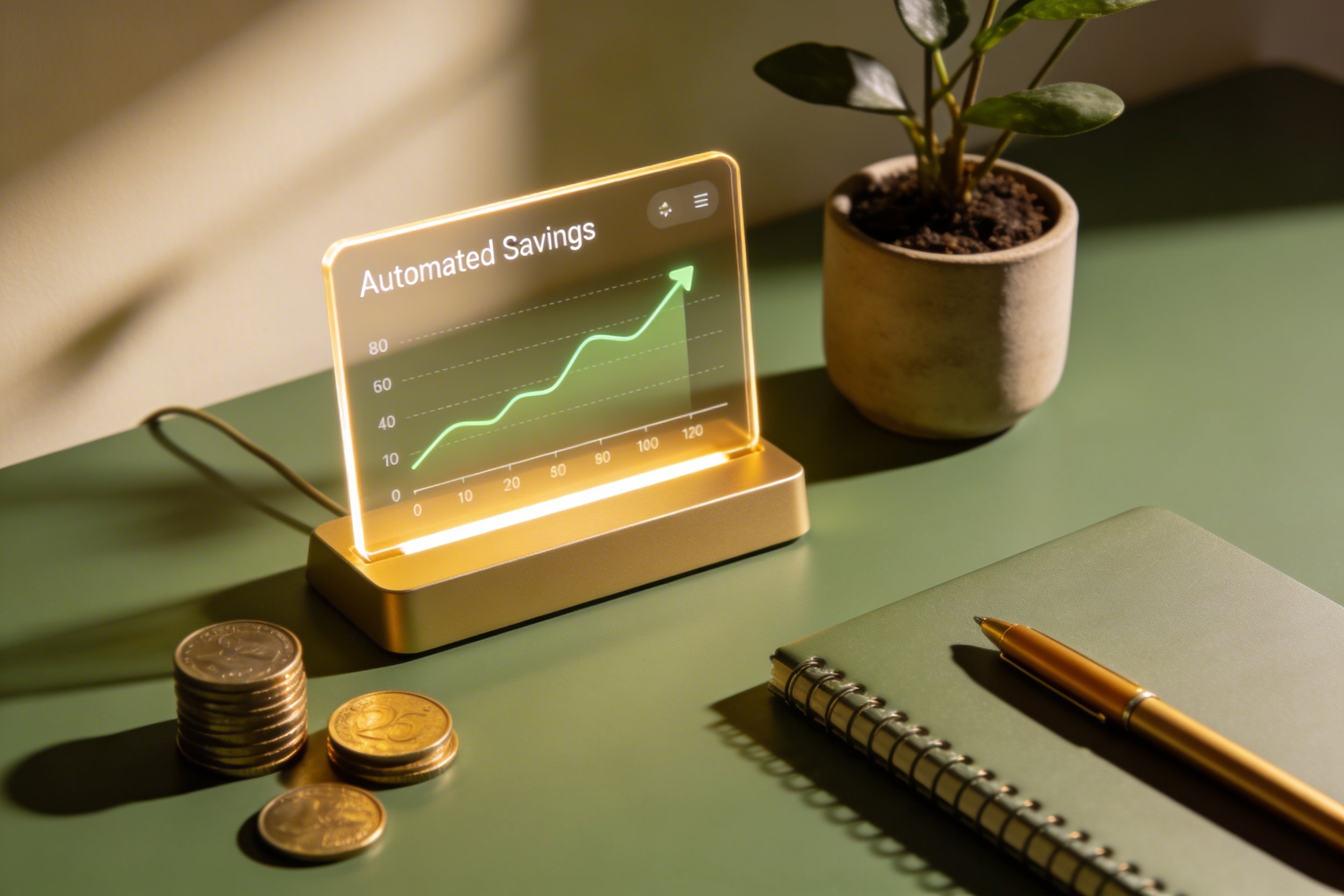
You’re busy. You don’t want to babysit a transfer every paycheck. Automating savings means you don’t have to rely on motivation. It becomes a silent partner in your finances, kicking in so you don’t accidentally spend the money you meant to save. FYI, automation isn’t cheating your goals; it’s outsmarting your impulse brain.
Pick a target that actually sticks
First, decide what you’re saving for. An emergency fund? A vacation? A down payment? The best targets feel tangible and time-bound. If you set a vague “save more,” your brain won’t lock onto it. Pick a number and a deadline. Then set up accounts that fit the goal.
Choose the right tools and accounts
Your toolkit matters as much as your willpower. Here’s a quick vector for getting it right:
- High-yield savings accounts for safety and growth with easy access.
- Money market accounts if you want a touch more interest and a bit more liquidity.
- Certificates of deposit (CDs) for fixed-term goals where you won’t need the money soon.
- Robo-advisors or micro-investing if you’re aiming for longer-term growth and can tolerate market vibes.
If you’re starting small, a simple split works: emergency fund in a high-yield savings account and a separate bucket for goals.
Automate transfers that feel invisible
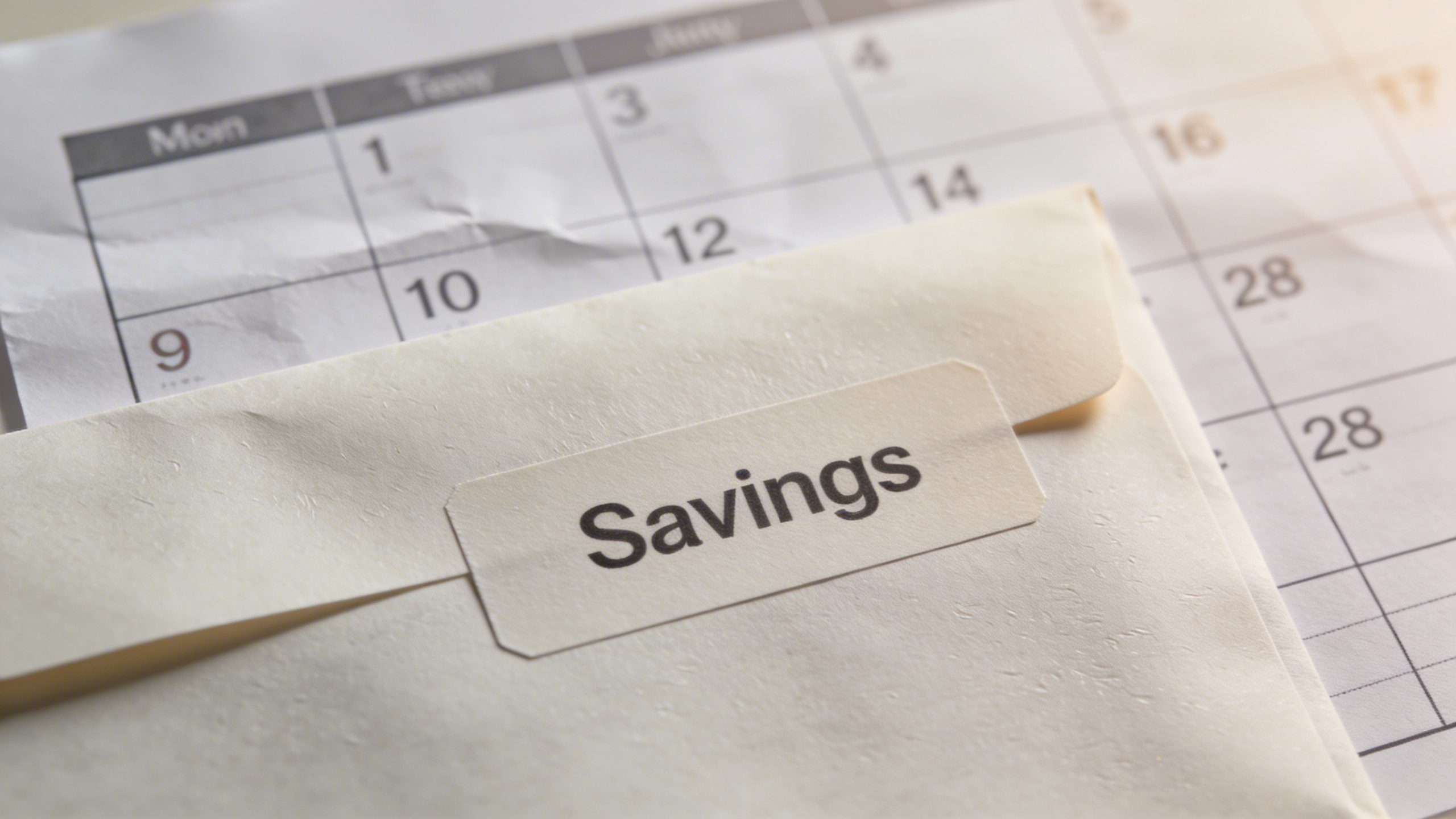
The magic happens with automatic transfers. Here’s how to do it without the drama:
- Set a monthly savings amount that fits, not a heroic amount that triggers panic.
- Schedule the transfer on payday or soon after; it’s easier to miss a transfer when you’re paid irregularly.
- Split transfers: a chunk to emergency fund, a chunk to goals, and maybe a little to an investment sleeve if you’re feeling ambitious.
- Enable micro-transfers if you prefer small, steady creep rather than big leaps.
Pro tip: automate both externally (bank-to-bank) and within your employer’s payroll system when possible. It’s like double insurance for your savings habit.
Use smart rounding and “save the rest” tricks
Rounding up is a clever way to fatten your stash without feeling the pinch.
- Round up every purchase to the nearest dollar and stash the difference. It compounds, slowly but surely.
- Save the rest from each paycheck—whatever you don’t miss in the budget goes to savings.
- Targeted rounding for specific goals (e.g., round up grocery trips and send the extra to vacation savings).
These tricks feel sneaky, in a good way. You wake up with more money in the bank and barely noticed you spent less.
Cap your costs, not your dreams
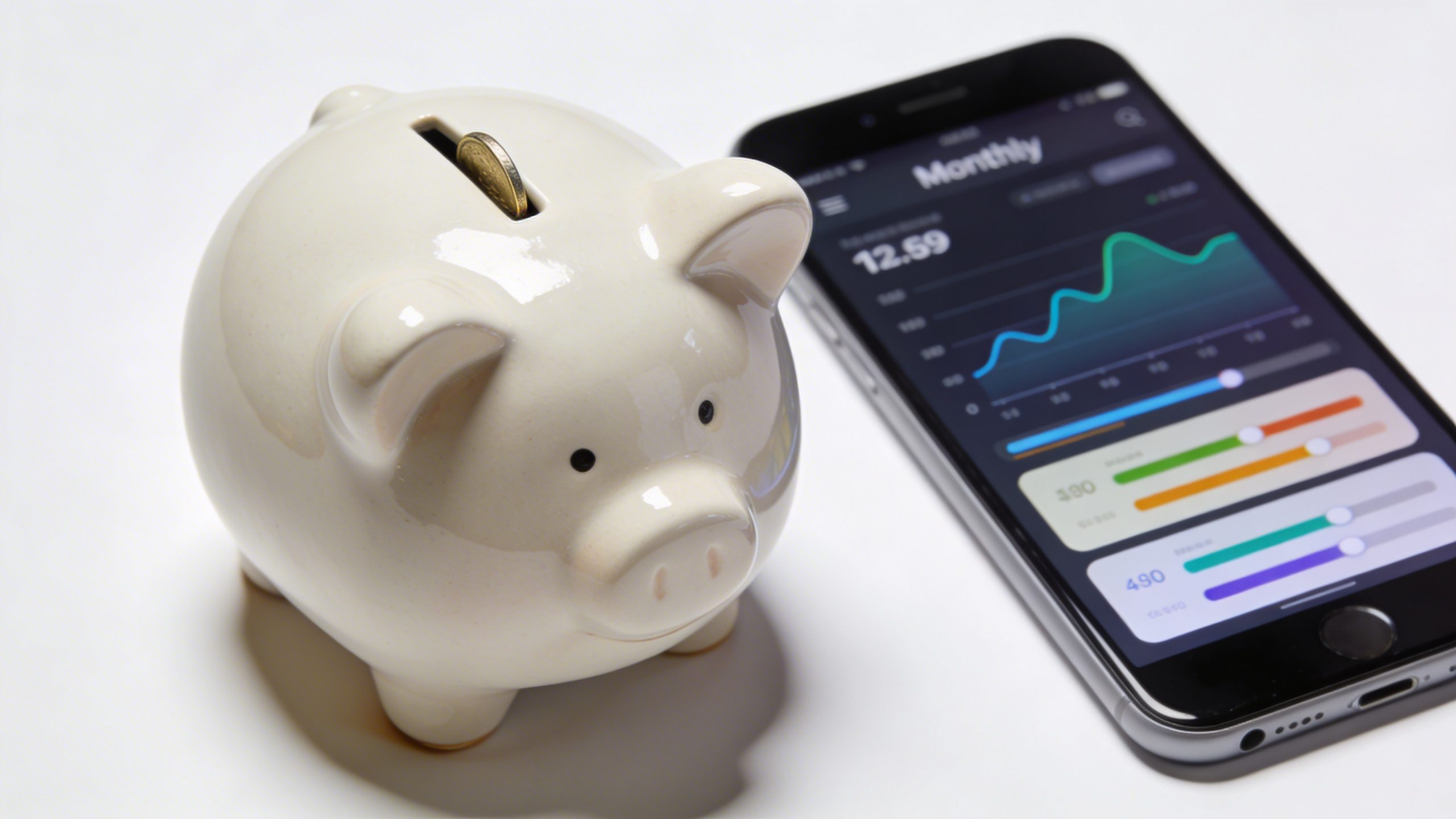
Automation works best when you actually cut costs in real life. Here’s how to align habits with your goals:
Find the big leaks
Scan a month of spending and flag the obvious culprits. Subscriptions you forgot about, streaming services you barely use, expensive gym plans. Cancel or renegotiate. FYI, you don’t need perfect frugality—just a few smart wins.
Dine smarter, save smarter
Cooking at home a few nights a week saves a ton and frees up cash for your goals. Batch cook, reuse leftovers, and keep a short list of go-to meals. It’s not boring when you mix in a little spice and zero guilt.
Automate bills and budgets
Keep your recurring bills in check by setting up autopay and alerts for due dates. It reduces late fees and frees mental RAM for savings. If you see a bill creep, negotiate or switch providers. Small wins add up.
Make it painless with a yearly reset
Automation isn’t “set it and forget it forever.” It deserves a quick check-in once a year.
- Review your savings rate and goals. Are you on track or did life throw you a curveball?
- Adjust automations if you got a raise, a bonus, or a new side gig.
- Revisit your choices of accounts. Maybe you can earn more with a different savings vehicle or a new high-yield option.
A yearly reset keeps you honest without nagging yourself daily. It’s like giving your money a spa day.
When to tweak vs. when to stay the course
Automation should adapt to your life, not trip you up. Here’s how to tell what to tweak.
- Increase slowly after a raise. Tiny, regular increases feel normal and keep momentum.
- Pause for life events with a single click; you can resume later without guilt.
- Keep a “back-pocket” fund for irregular expenses so you don’t derail your core savings.
Remember, consistency matters more than heroic feats. If you can automate a little extra every month for a year, you’ll be shocked at the result.
Common objections, debunked
You’ll hear doubts as you start this journey. Let’s clear them up quickly.
- “I won’t notice the money missing.” You’ll notice the balance growing—that’s the point. You’ll thank yourself later.
- “What if an emergency pops up?” Build a separate emergency fund you don’t touch unless it’s real emergencies.
- “I’ll forget to check.” Set it and forget it. Then set reminders the first month to confirm you did it right.
FYI, skepticism is natural. The trick is to test with a small amount and see the effect in a few cycles.
FAQ
Can I automate savings with different banks?
Yes. You can set up automatic transfers between your primary bank and savings accounts at other banks. Look for slow and steady transfer options to avoid overdrafts. Most banks support scheduled transfers, and many fintech apps offer one-click automation.
What if I get paid irregularly?
Use a flexible rule: set a percentage of each paycheck to go to savings, or transfer a baseline amount on every paycheck and top up to a target when possible. If you get paid monthly, schedule the transfer for the day after payday.
Is it okay to automate investing too?
Absolutely. If you’re ready for longer-term growth, automate recurring investments into a low-cost index fund or robo-advisor. It’s the same muscle, just a different muscle group. Start with a small monthly amount and scale up as you’re comfortable, IMO.
How fast will I see results?
That depends on your starting point and the amount you automate. Some see a noticeable balance bump in a few months; others watch a steady trend over a year. The key is consistency, not speed.
What if I want to pause saving for a while?
You can pause or lower the automatic transfers with a few clicks. Just set a reminder to reassess when you’re ready to restart. Flexibility beats rigid plans.
Conclusion
Saving money automatically isn’t a sprint; it’s a well-lit path you take with your future self in mind. Set a realistic target, choose the right accounts, and automate transfers so you barely notice the routine—until you notice the growing balance. The beauty is in the simplicity: you do the setup once, and your money quietly does the heavy lifting for you. So, are you ready to give your future self a little extra cushion each month? IMO, it’s worth it.