
Smart Ways to Save Money Without Extra Income: Hidden Habits That Pay Off
The easiest way to save money without earning a single extra dollar is to change how you spend the dollars you already have. No lottery tickets, no side hustles required—just smarter habits and a pinch of stubborn consistency. Think of it as DIY financial fasting: less waste, more miles per dollar, more peace of mind.
Cutting the Drip: Make Every Expense Count
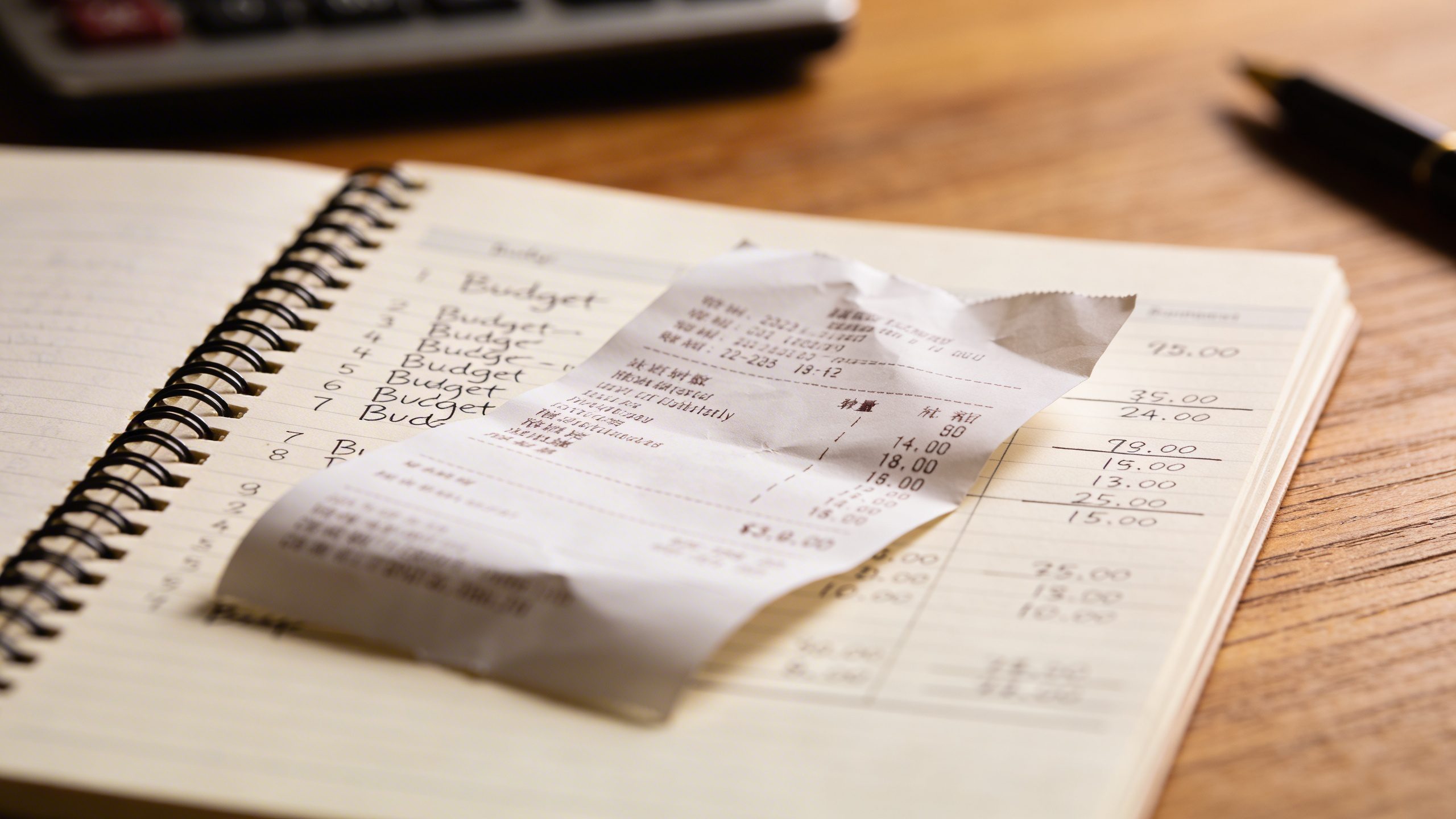
You’ve got bills and groceries and streaming services. The trick isn’t pruning your life to nothing; it’s trimming the obvious leaks. Where is your money slipping away without you noticing?
- Track a week of spending: snap photos of receipts or use a simple app. You’ll be surprised what sneaks past you.
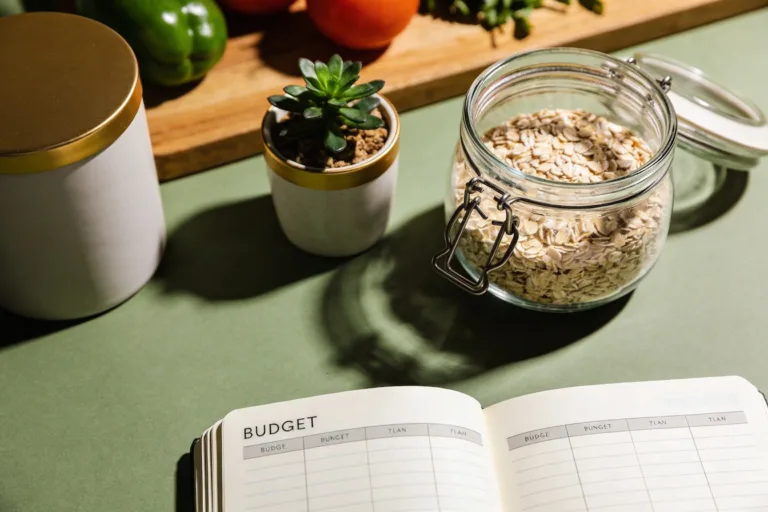
- Define a no-drama budget: a small, concrete cap for each category that you actually stick to.
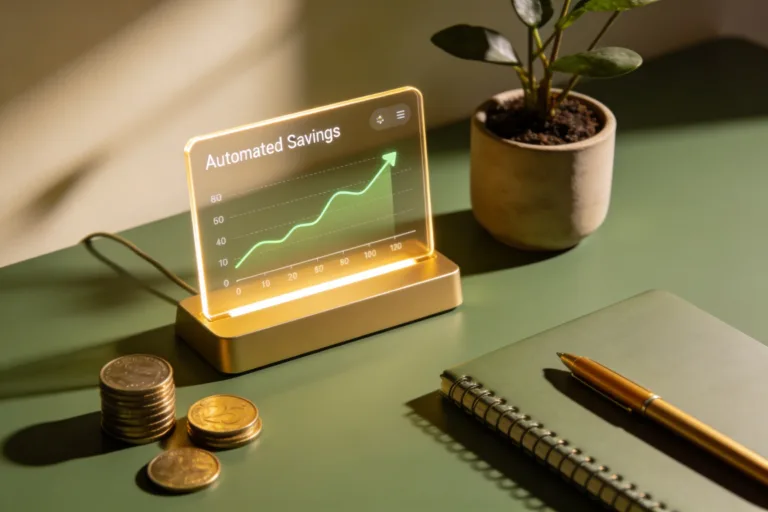
- Automate savings secretly: set up a transfer to a separate savings account right after payday.
Debt — The Unwanted Roommate
Debt zaps your flexibility like a sneaky vacuum. If you’re carrying high-interest debt, make a plan to tackle it.
- Target the highest interest rate first, then snowball doesn’t always win—but it helps if you’re motivated by quick wins.
- Consolidation can be a cheat code, but read the fine print. If it lowers your rate and keeps payments sane, go for it.
- Consider a no-spend week to divert funds toward principal. FYI, you’ll survive a few days of ramen and reuse.
Shop Smarter, Not Less: Smarter Consumption Habits

Your grocery bill and closet could be pawns in a heroic savings saga. Here’s how to win without turning into a scavenger.
- Plan meals, shop with a list, and resist impulse buys. Yes, even that fancy cheese you don’t need.
- Use unit pricing and coupons strategically. If it’s not cheaper per ounce, skip it.
- Embrace generic brands. They’re often the same product in disguise and much kinder to your wallet.
Utilities Without the Drama
Little tweaks add up. Before you know it, you’ll be saving a chunk each month.
- Drop the thermostat a notch in winter or bump it a notch in summer. Your furnace and AC can tolerate it, promise.
- Unplug idle electronics. Yes, that includes the coffee maker you swear you’ll use every morning.
- Switch to energy-efficient LEDs and low-flow fixtures. Small upgrades, big savings over time.
Subscriptions: The Sneaky Budget Bloat
We sign up for three things a month and forget two exist. Let’s prune without ending your entertainment rights.
- Audit every recurring charge every quarter. If you don’t use it, cancel the trial that tricked you into a year-long commitment.
- Bundle services when possible. It can lower monthly costs, and you won’t miss out on anything essential.
- Share plans with family or roommates where allowed. It’s not shady if you’re both on the plan and saving money.
Make Your Money Work: Banking and Tech Hacks
Your bank can be more of a partner than a gatekeeper. Here’s how to make it bend a little in your favor.
- Move to a high-yield savings account. No, it won’t make you rich, but the compounding will thank you.
- Use debit alerts and credit card perks to catch fraud early and earn rewards you actually use.
- Set up automatic reminders for bill due dates to avoid late fees. FYI, late fees are basically small but significant budget leaks.
Tech-Savvy Saving: Apps and Tools
You don’t need a finance degree to win here.
- Cash-back apps, but only if you’d buy the item anyway. If you’re buying groceries you don’t need, you’re not saving—you’re just spending differently.
- Price tracking for big purchases. Get alerted when prices drop and then pounce.
- Digital wallets and budgeting apps can automate your savings without you thinking about it too much.
Small Wins, Big Wins: The Psychological Edge
Saving money isn’t only a math problem; it’s a mindset game. Here’s how to stay motivated.
- Celebrate tiny victories. A saved coffee is a small win that compounds over time.
- Make it visible: a simple savings thermometer or a chart on the fridge keeps you honest.
- Hold yourself accountable with a buddy system.Compare notes, share wins, and commiserate about temptations.
Habits That Reinforce Savings
Turn savings into a lifestyle, not a one-off experiment.
- Set a monthly “fun” fund that you don’t touch for bills. It keeps you sane while you save.
- Rethink “needs” vs “nice-to-haves.” If you wouldn’t replace it in a fire, maybe you can do without it.
- Practice a 24-hour rule for non-essential purchases. If you still want it after a day, buy it mindfully.
Frequently Asked Questions
Can I really save money without cutting essential comforts?
Yes. The key is shifting how you allocate your money, not slashing the things you enjoy. You’ll discover small substitutions add up—streaming with ads for a month, using a family plan, or cooking at home more often. It’s about smarter choices, not misery.
What’s the simplest change I can make this week?
Track your spending for a week and pick one leak to patch. Maybe you’re double-charging for takeout or leaving lights on in empty rooms. One fix at a time sticks better than a avalanche of changes.
Is it worth negotiating bills or prices?
Absolutely. Call providers and ask for lower rates, loyalty discounts, or better bundles. It’s surprising how often a polite conversation yields a discount or perk you actually want.
How do I stay motivated when progress feels slow?
Celebrate incremental wins, keep a visible goal, and recruit a buddy. FYI, consistency beats intensity over the long haul. If you slip up, reset quickly and keep going.
Are there any pitfalls I should avoid?
Don’t cut essential protections or insurance to save a few dollars. Don’t chase every deal at the expense of your time or sanity. And avoid debt traps while you’re trying to save—prevention beats cure here, every time.
Conclusion
Saving money without extra income isn’t dramatic. It’s a series of smart, repeatable choices that make your everyday life cheaper without turning you into a hermit. Start with one or two tweaks, track what works, and build from there. Yes, you can enjoy the things you love while keeping more of your hard-earned cash. IMO, the best part is feeling in control again—less stress, more momentum, and a future you actually want to fund.