
Best Cash Envelope Tips for Beginners: Quick Wins
I get it. Cash envelopes sound old-school, but they’re incredibly effective. If you’re a beginner, you don’t need a guru-level plan—just something that actually sticks. Let’s make envelope budgeting feel doable, not depressing.
What the Cash Envelope Method Actually Is (And Why It Works)
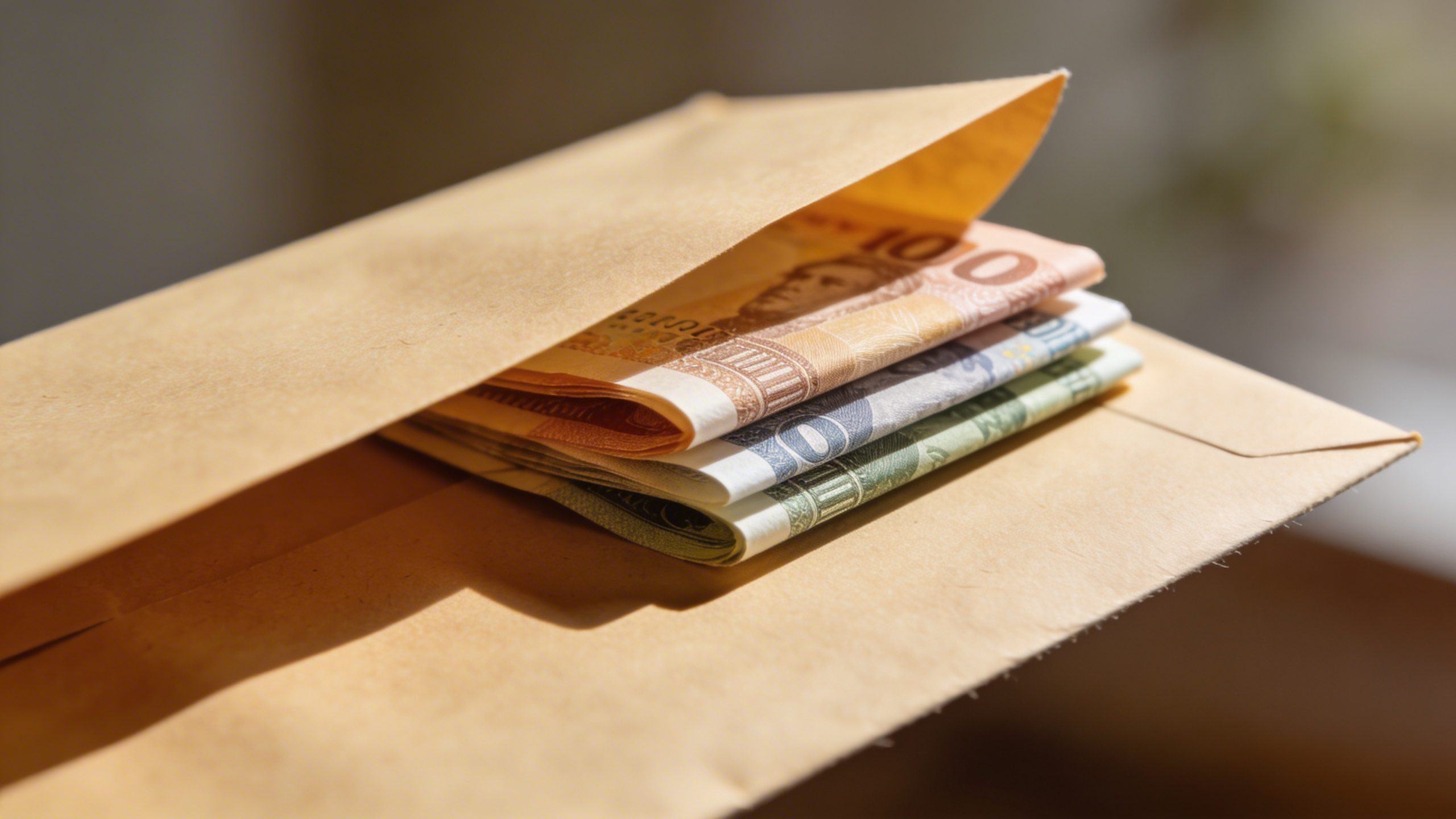
If you’ve never used envelopes, picture this: cash goes into labeled pockets and stays there. No card transactions, no sneaky overdraft surprises, just real money in real envelopes. The beauty is simple discipline: when the cash runs out, you stop spending in that category.
Why it sticks for beginners? It’s tactile. It’s visible. It’s harder to “forget” how much you’ve spent when you can literally see the envelope drain. FYI, humans are naturally drawn to immediate feedback, and envelopes give you that feedback in real time.
Start Here: Identify Your Categories
Before you print labels and color-code, ask yourself a few honest questions:
- What are my non-negotiables (rent, utilities) versus flexible expenses (coffee, takeout)?
- How many categories can I realistically handle without losing my mind?
- What’s the minimum amount I want in each envelope to avoid starving my budget?
Suggested Beginner Categories
- Rent/Mortgage
- Groceries
- Gas/Transit
- Dining Out
- Entertainment
- Emergency/Unexpected
- Personal Care
If you want to keep it lean, start with 4–5 envelopes and expand as you get comfy. Remember: you can always fine-tune later. No need to go full-on accountant mode from day one.
How Much Should You Put in Each Envelope?
This part feels like magic, but it’s math with a friendly face. Start with your last month’s spending as a baseline, then adjust.
- Track a full month or at least a few weeks to see patterns.
- Assign a realistic amount per category based on actual expenses.
- Leave some cushion for surprises—don’t budget to zero in every single envelope.
Pro tip: set a “slush fund” envelope for tiny, unavoidable costs that creep up. The goal isn’t perfection; it’s control. If you overspend one week, you can cover it with a slightly lighter week ahead, not panic.
Envelope System 101: Physical vs Digital, Pros and Cons
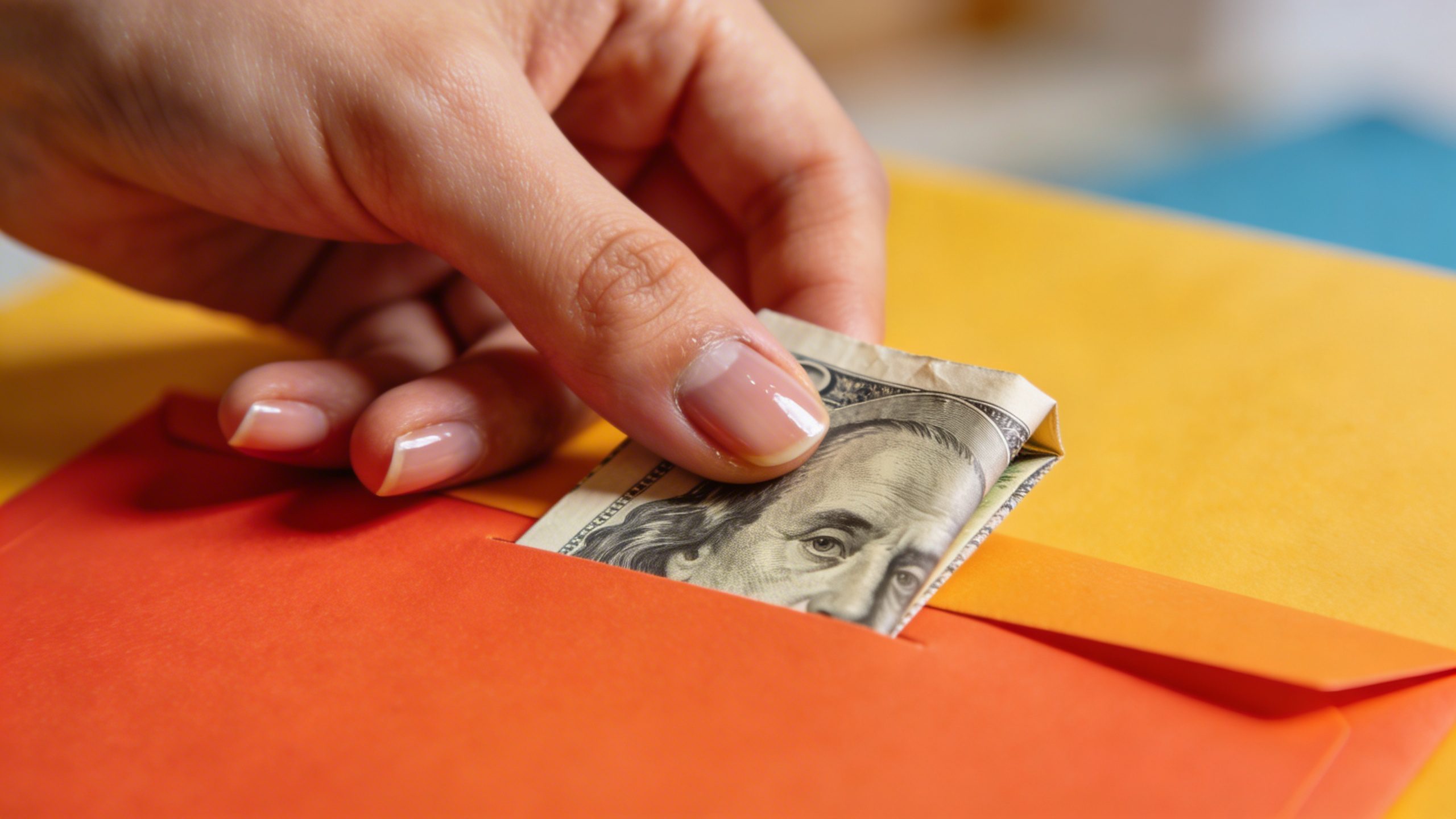
You’ve got options. Here’s the quick scoop so you don’t overthink it.
Physical Envelopes
- Pros: Tangible, hard to ignore, great for visual learners.
- Cons: Easy to lose, not super portable, risk of theft if you’re not careful.
Digital Envelopes
- Pros: Mobile, trackable, often easier to adjust on the fly.
- Cons: You lose the tactile feedback a bit, risk of digital oversights if you get too comfy with transfers.
If you’re new, start with physical envelopes to nail the habit. If you travel a lot or want seamless syncing, add a digital layer later.
Keeping It Simple: A Foolproof Weekly Routine
Consistency beats intensity every time. Here’s a tiny routine you can actually maintain.
- On payday, allocate amounts to each envelope and seal them.
- Track every spend in a tiny notebook or a quick note on your phone.
- Weekly check-in: tally what’s left, adjust next week’s allocations if needed.
Want extra motivation? Try a “streak” approach: if you hit your envelope targets all week, treat yourself to something small, like a fancy coffee. No guilt, just smart reward.
Dealing with Temptation: When You Want to Break the Envelope Rule
We’ve all been there. A sale, a whim, a “I deserve this” moment. Here’s how to handle it without derailing your budget.
- Pause and name the impulse: “I want this, but at what cost?”
- Offer a delay: sleep on it and decide tomorrow.
- Move a little budget from a flexible envelope (like Dining Out) to cover the impulse, if it aligns with your goals.
If you still splurge, don’t guilt-trip yourself. Adjust the next week’s plan and keep moving. The point is momentum, not perfection.
What to Do When Life Throws a Curveball
Emergency happens, right? Job shifts, a medical bill, or a broken appliance. Your envelopes won’t solve the problem, but they’ll soften the blow.
Use the Emergency Envelope Wisely
- Keep a dedicated fund for true emergencies only.
- Freeze non-essential transfers if you’re running tight—protect the core needs first.
Build a Tiny Buffer Over Time
Even a few extra dollars tucked away each month can become a lifesaver. FYI, consistency matters more than big swings.
Common Pitfalls Beginners Encounter (And How to Avoid Them)
Let’s skip the drama and get practical.
- Overloading categories: Start small. Add envelopes as you get the hang of it.
- Not tracking spends: If you can’t see it, you won’t fix it. Keep receipts or a quick log.
- Neglecting the mental side: Budgeting is as much about behavior as numbers. Keep it human.
Tools That Make It Easier (If You Like Gadgets)
If you’re curious about shortcuts, here are some friendly options.
- Envelope templates: Printable envelopes with pre-labeled categories.
- Cash organizers: A simple tray or pouch to keep envelopes neat and accessible.
- Simple budgeting apps: Look for ones that track cash expenses or allow manual envelope-like envelopes.
Remember, tools should serve you, not enslave you. If an app feels like homework, drop it.
Want a Quick Start Plan? Here’s a 7-Day Kickoff
If you’re itching to begin right now, try this light rollout.
- Day 1: List monthly essentials and 2–3 flexible categories.
- Day 2: Create 4–5 envelopes and set initial amounts based on last month’s spending.
- Day 3: Start tracking every spend, even tiny ones.
- Day 4: Do a mid-week check-in; adjust amounts if needed.
- Day 5: Add a small cushion envelope for surprises.
- Day 6: Review progress and celebrate small wins.
- Day 7: Decide if you want to go digital or stay physical.
FAQ section coming up next—because you probably have questions.
FAQ: Quick Answers to Common Cash Envelope Questions
Q: Do I need to use cash only? Not necessarily. Start with cash for the envelope categories and use digital transfers for other parts of your budget. The key is sticking to the envelope limits, not the medium itself.
Q: What if I can’t fill an envelope every week? Adjust to a biweekly or monthly cadence. The framework is flexible, not a jail sentence. The point is restraint, not rigid martyrdom.
Q: How do I handle places that only take cards? Keep a small “card gap” envelope for occasional card purchases, or adjust your spending categories so that you don’t rely on cash for those items.
Q: My family spends differently. How do we align? Have a family budget meeting. Decide on shared envelopes (groceries, utilities) and individual envelopes for personal wants. Clear communication beats chaos.
Q: Can I switch to envelopes mid-month? Yes. Reallocate remaining funds, and relabel any changed categories. Flexibility is your friend here.
Conclusion
Cash envelopes aren’t nostalgia; they’re a practical habit you can actually sustain. Start with a lean set of categories, a realistic weekly plan, and a cadence that fits your life. FYI, the goal is fewer overspends and more peace of mind, not a life of restraint masquerading as fun. If you treat this like a tiny, kind financial experiment, you’ll build confidence fast. You’ve got this—go make your envelopes proud.