Best Money Saving Challenges to Try This Year: Quick Wins You’Ll Love
I’m not saying you’re broke, but your wallet could use a spa day. Ready to turn saving into a game you actually want to play? These best money saving challenges are simple, doable, and a little cheeky. Let’s dive in and see which one sticks.
30-Day No-Spend Challenge: Break the Spending Habit
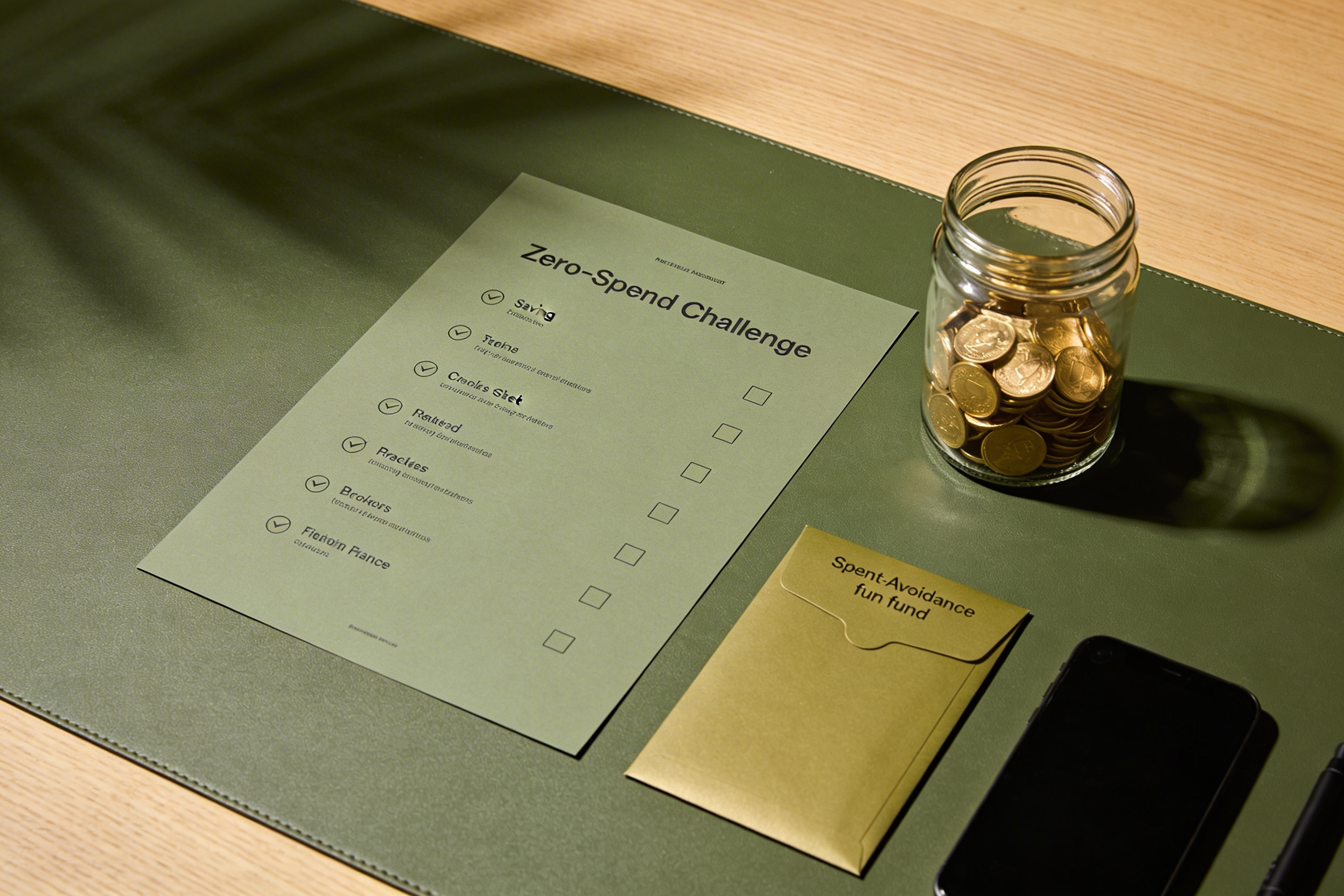
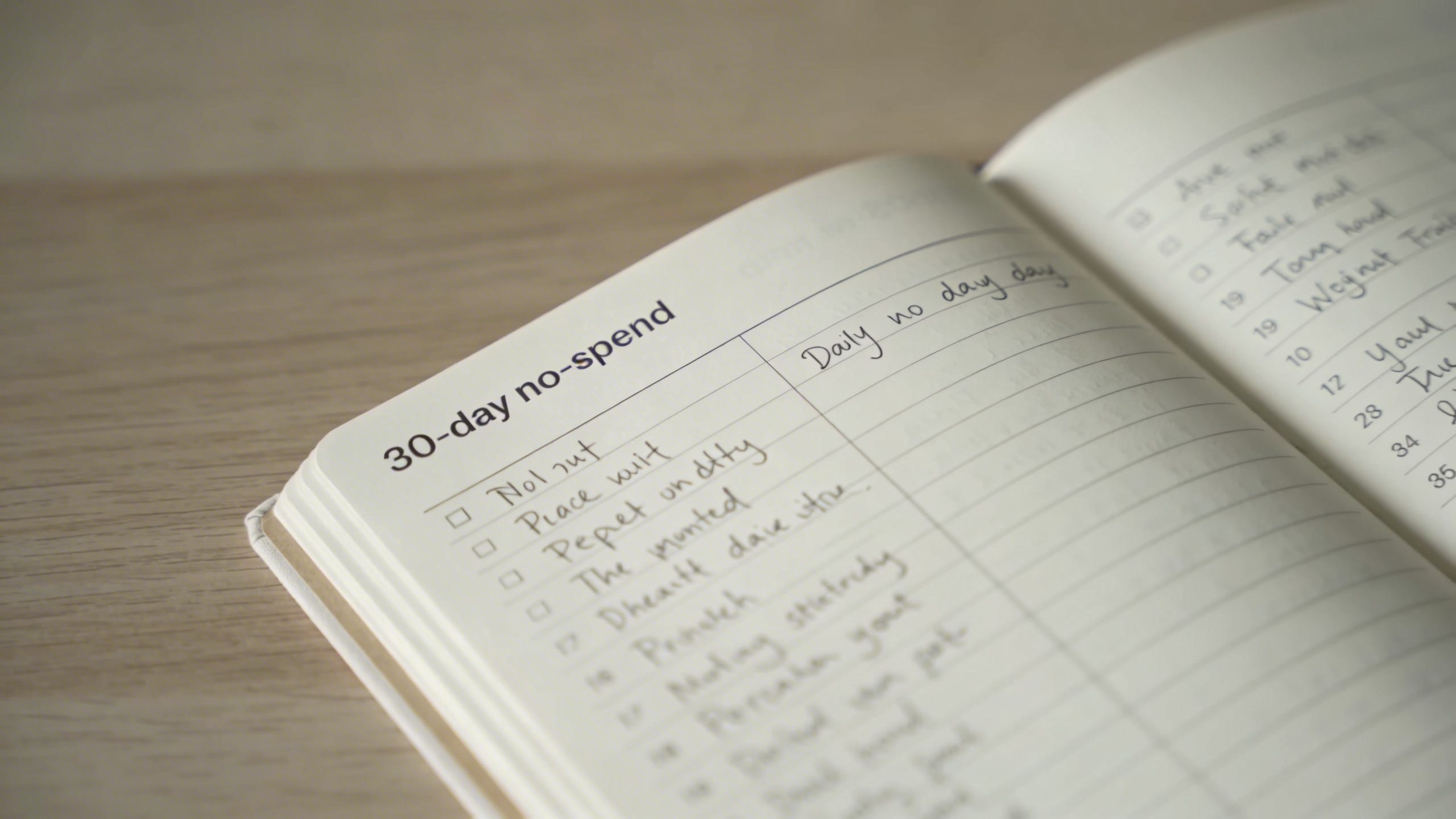
You’ve probably heard of this one, but that doesn’t make it any less powerful. The goal: 30 days with minimal non-essential purchases. Do you really need that gadget you’ll forget by next month? Probably not.
– Start with a baseline: track every purchase for a week. Then cut back on what you truly don’t need.
– Define non-negotiables: groceries, rent, utilities, and gas stay in your budget. Everything else is optional.
– Reward yourself: if you make it 30 days, treat yourself with a small, intentional splurge you’ve saved for.
How to survive the first week
– Plan meals to avoid takeout sneaking in.
– Prepare a “fun fund” for one small, purposeful treat at the end of the month.
– Set reminders to pause before you click “buy.”
52-Week Savings Sprint: Tiny Steps, Big Wins

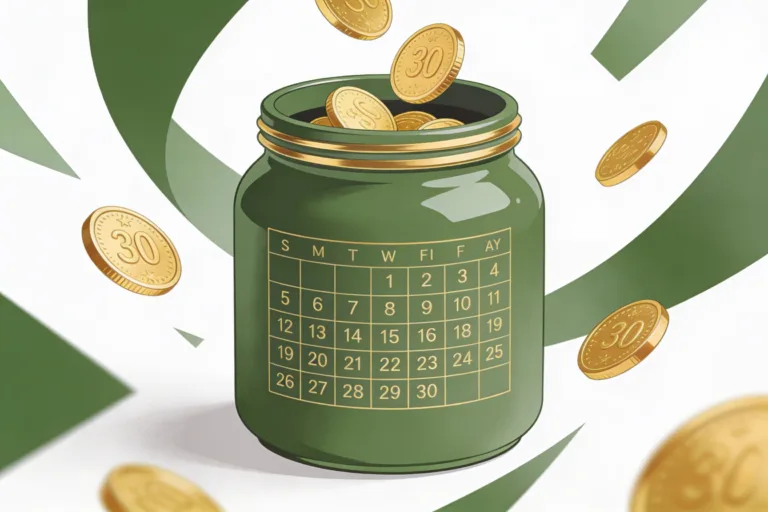
This one sounds like a marathon, but it’s really a series of tiny sprints. Every week, you save a little more or spend a little less.
– Week 1: save $1. Week 2: save $2. You get the pattern.
– On weeks you can’t save extra, dodge impulse buys and use a jar system or a digital envelope.
Smart tweaks to make it work
– Round up every purchase to the nearest dollar and stash the change.
– If you get a raise or bonus, funnel a portion directly into this fund and forget you had it.
Grocery Challenge: Save at the Aisle, Not in the Bank
Grocery budgets are notorious for creeping. Turn the aisle into a savings playground.
– Create a weekly meal plan based on what’s already in your pantry.
– Make a strict list and stick to it like glue. No “just browsing” when you’re hungry.
– Use store loyalty programs and coupons, but only if they’re genuinely worth it.
Smart swaps that save real money
– Buy store-brand items for staples like pasta, canned goods, and spices.
– Batch-cook and freeze portions to avoid last-minute takeout.
– Freeze leftovers in clearly labeled containers so nothing gets wasted.
The No-Impulse-Online-Purchase Challenge
Online shopping is a sneaky villain. The trigger: a perfectly curated feed and a limited-time sale.
– Pause before you buy: wait 24 hours for anything not essential.
– Use a “wish list” folder. If you forget about it in a week, you didn’t need it.
– Unsubscribe from marketing emails that nudge you to click “buy now.”
Techy tricks to outsmart impulse buys
– Remove saved payment info from your browser for a cooling-off period.
– Set up a monthly “fun fund” that you can only spend on a conscious purchase.
Cash-Envelope System: Old-School, High-Impact
If you crave a tactile approach, the cash envelope method still packs a punch. Handing over real money forces you to think about every purchase.
– Create envelopes for major categories: groceries, entertainment, dining out.
– Withdraw a fixed amount at the start of the period and don’t go over.
– Any leftover goes to savings or debt repayment.
When this failproof method needs a makeover
– If you regularly overspend in cash, switch to a hybrid: set digital envelopes with limits and keep some cash for quick, in-person trips.
Vacation Savings Challenge: Save for a Dream Trip Without Sacrificing Everyday Fun

Have your sights set on a getaway? Save for it in a way that doesn’t ruin your daily vibe.
– Determine a realistic target: destination, travel dates, and total costs.
– Create a monthly automatic transfer to a dedicated vacation fund.
– Cut one recurring expense briefly (swap a subscription or dine out less) to accelerate growth.
Make the trip feel real, not painful
– Visualize the trip with a simple mood board. It motivates you more than a number on a sheet.
– Pick one small pre-trip upgrade you’ll enjoy, like a nicer pillow or a better coffee ritual, that won’t blow the budget.
FAQ
Is it really possible to save money with these challenges if I’m already broke?
Yes. Start with micro-wins. Even saving a few dollars a week adds up over time. It’s about momentum, not perfection. FYI, consistency beats intensity.
What if I slip up and buy something I didn’t intend to?
Don’t beat yourself up. Acknowledge it, adjust, and keep going. The point is to retrain your habits, not to aim for flawless execution.
How do I choose which challenge to start with?
Pick what feels sustainable and fun. If your impulse purchases are fierce, try the 30-day no-spend first. If you love structure, the 52-week sprint fits best.
Can I combine challenges or switch mid-way?
Absolutely. Flexibility helps. If a single challenge isn’t sticking, blend a few or switch to something more aligned with your current life.
Which tools help with tracking without becoming a chore?
A simple budgeting app or a notebook works. The key is consistency. Use a quick daily check-in and a weekly review to stay on track.
Conclusion
Saving money doesn’t have to feel like a drag or a punishment. It can be a playful, strategic game you actually want to win. Start with one challenge that fits your vibe, then level up as you gain momentum. Remember: tiny steps, consistent habits, big results. You’ve got this. If you’re feeling overwhelmed, pick the easiest one and celebrate every tiny victory. FYI, your future self will thank you.