
How to Save Money When You Hate Budgeting and Still Smile
You hate budgeting, but you love not worrying about money. Sound familiar? You’re not alone. The good news: you can save money without turning your life into a spreadsheet nightmare. Let’s flip the script and make saving feel like a win, not a chore.
What if saving money could be effortless (and even fun)?
You don’t need to track every penny to start shaving cash off your expenses. The goal is simple: keep more money in your pocket without turning your life into a numbers prison. FYI, small, consistent changes beat heroic, short-lived efforts every time.
Start with tiny, unavoidable wins

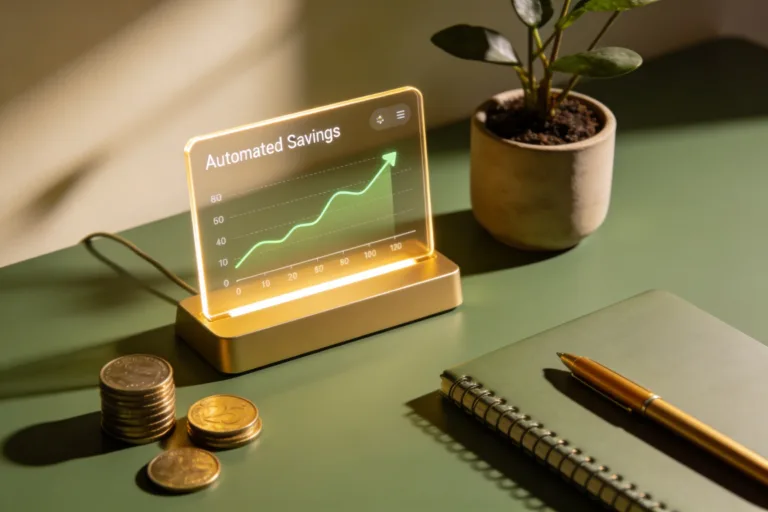
- Automate small savings: Set up a weekly transfer of a few dollars or a rounded-up amount into a savings account. It’s like paying yourself without thinking about it.
- Trim the obvious culprits: Cancel a few unused subscriptions or switch to a cheaper plan. If you haven’t used that fancy streaming service in a month, cut it. If you miss it, re-subscribe later—no guilt.
- Make groceries your friend, not your foe: Plan two dinners, make a list, and stick to it. You’ll waste less, spend less, and feel like a budget ninja without the piano-keying of a strict plan.
Turn budgeting into a game you actually enjoy
- Give every dollar a personality: Decide how much you’ll spend on categories you care about (like coffee or hobbies) and set limits. When you hit your limit, you’re done for the week. Reward yourself with a small win when you stay under budget.
- Use “emergency funds” as your glow-up fund: Transfer a small amount to an emergency fund specifically for big-ticket stuff you actually want (vacations, gear, etc.). See it grow, and you’ll want to protect it.
- Gamify savings goals: Hit a weekly mini-goal, unlock a small reward, and celebrate. IMO small celebrations keep momentum without guilt-tripping yourself.
Make your money moves automatic (without losing control)

Automation that actually works
When you automate savings, you’re doing the discipline for yourself. Set up:
- Automatic transfers to savings after each payday
- A separate account for “fun money” that you can spend guilt-free
- Bill payments that prevent late fees and interest
Know your “surge zones”
Identify times when you’re most tempted to spend (rush shopping, after payday, mid-noon snack runs). During those windows, automate a small transfer or lock funds in a high-interest savings account. If you don’t see the money, you’ll forget you had it—until you don’t.
Cut costs without cutting your joy
Smart swaps that feel like upgrades
- Switch to generic brands for the basics—things that taste the same but cost less
- Use energy-saving habits: lower thermostat when you’re out, unplug stuff you’re not using
- Shop for deals, but don’t chase every sale. If it isn’t something you’d buy anyway, skip it
Dining out less, but not forever
Save by planning one or two home-cooked meals that taste like takeout-grade goodness. Then, pick a “treat” meal a week. It keeps you sane and still saves you money. FYI, you’ll probably notice your gut thanks you later.
Protect your future self with low-effort basics
- Emergency fund, minimum viable version: Start with $500 or $1,000. It’s not fancy, but it stops debt from sneaking in when life throws a curveball.
- Debt? Attack the high-interest stuff first: If you have credit card debt, tackle the rate monster. Snowball or avalanche methods work, but pick one and stick to it.
- Insurance and warranties you actually need: Don’t skip coverage that protects you from catastrophic costs. Shop around, but don’t obsess. Basic protection keeps you from big scares.
When budgeting feels clingy, shift the vibe
- Use a “flag” budget: Pick two or three non-negotiables (rent, utilities, food). Everything else can flex. If it fits those anchors, you’re good.
- Declutter your financial life: Bundle accounts or close the ones you never visit. Less chaos, more clarity.
- Be gentle with yourself: If you miss a goal, reset tomorrow. No guilt, just a fresh start.
Deeper dives: practical hacks for real life
H4: Meal planning without the dread
Plan two or three simple meals for the week, shop once, and batch-cook. Freeze extras for quick meals on busy days. It saves time and money, plus you skip the last-minute takeout temptation.
H4: The “round-up” trick that actually saves
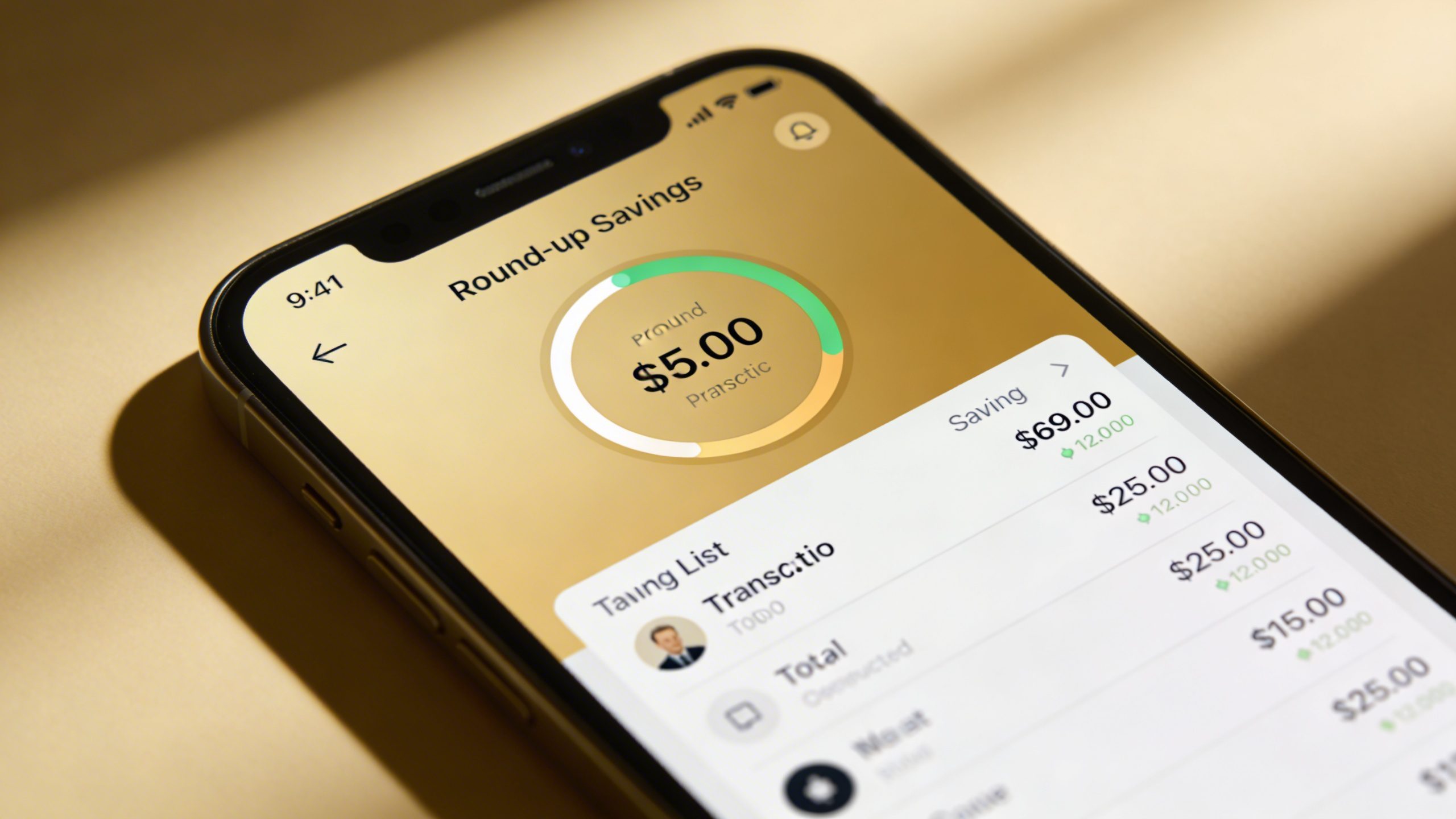
Use a savings app or bank feature that rounds purchases up to the nearest dollar and moves the difference into savings. It’s tiny, but it compounds if you do it consistently. FYI, you’ll forget you spent the round-ups—until you see your balance grow.
H4: Cash-first days
Try one or two days a week where you only pay with cash for discretionary spending. It makes the pain of small purchases more real and easier to resist.
FAQ: Quick answers to common money-saving questions
How can I save if I hate tracking every receipt?
Keep it simple: automate savings and use a single app for glanceable categories. Set a weekly review reminder to check only three things: saved amount, upcoming bills, and essential spend. If it’s not essential, it’s not automatic.
Is it okay to reward myself while saving?
Absolutely. Small rewards reinforce good behavior. Set a monthly “fun budget” and treat yourself once you hit a savings milestone. It keeps you motivated without derailing progress.
What if I have debt and savings at the same time?
Do a quick priority: pay at least the minimum on all debts, then put extra toward the highest-interest debt. Simultaneously, automate a tiny savings amount. You’ll start building a cushion while gradually reducing debt.
How do I handle big expenses without stress?
Build a sinking fund. Break big costs into monthly contributions that you can manage. When the expense appears, you’ve already paid for it in advance, so it hits a lot less hard.
Can I still enjoy life while saving?
Yes. The trick is intentionality, not deprivation. Allocate money for the fun things you love, keep it small, and you’ll still feel in control. IMO, life is for living—and money should help, not hinder, that.
Conclusion
Saving money doesn’t have to be a nerve-wracking chore. It can be a series of tiny, smart nudges that fit your life and your vibe. Automate a little, cut the obvious waste, and turn savings into a game you actually want to win. Start with one easy change this week, then build from there. You’ve got this.