
How to Pay Off Debt Before the End of the Year Effectively
I get it: the holidays are sneaking up, and debt is staring you down like that one relative at Thanksgiving who always brings up that one mistake you made in middle school. Time to dodge the drama and bounce toward a debt-free year-end. Let’s lay out a plan that actually fits real life—no magic tricks, just practical moves you can start today.
Know Exactly Where You Stand
Where does the money go every month? If you can’t answer that in 60 seconds, you’re flying blind. Do a quick debt audit and map out each balance, interest rate, and minimum payment.
– List every debt: credit cards, student loans, personal loans, medical bills.
– Note the interest rates and monthly minimums.
– Calculate your total monthly debt payments and your total balance.
Ask yourself: what’s the smallest debt that, when paid off, would boost your motivation? Knock that one out first to build momentum. FYI, momentum matters more than brute force here.
Create a Realistic Payoff Timeline

A timeline turns dreams into deadlines. If you don’t set a date, you’ll drift.
– Decide on a target date before the year ends or within a few weeks after (December 31st is a clean cut).
– Use a simple plan: how much extra can you throw at debt each month? Split it by the number of pay periods left.
– Schedule “debt sprint” weeks where you throw extra money at the biggest pain point.
If you’re worried about not sticking to it, add a built-in cushion for snacks and spontaneity. Debt-free life is a marathon, not a mime performance.
Snowball or Avalanche: Pick Your Favorite Method
Two popular flavors, both effective:
– Snowball: pay off the smallest balance first, then roll that payment into the next smallest, and so on. Wins feel fast, which keeps you hooked.
– Avalanche: tackle the highest-interest debt first. You save the most money over time, which is satisfying in a “sensible” way.
H3: When to switch methods
If you start with snowball and the big debt is burning a hole in your budget, switch to avalanche midstream. Flexibility beats stubborn pride.
Boost Your Repayment Power: Quick Wins

Small changes add up without turning your life upside down.
– Side gigs or gig economy tasks: a few hours a week can net real extra cash.
– Cut one recurring expense: cancel an unused streaming service, evaluate insurance deductibles, or renegotiate a monthly bill.
– Use any windfalls: tax refunds, bonuses, or cash gifts go straight to debt.
H3: The rule of 50/30/20, simplified
– 50% needs (rent, utilities, groceries)
– 30% wants (fun stuff, dining out)
– 20% debt and savings
If you’re serious about paying off debt by year-end, tilt more toward 20% and keep needs stable. It’s not glamorous, but it works.
Automate and Kill the Drama
Automation is your best friend when you’re trying to beat the drama of debt.
– Set up autopay for minimums to avoid late fees.
– Create a separate “debt fund” bank account and auto-transfer your monthly debt amount there.
– Use calendar reminders for quarterly reviews and reallocation decisions.
H3: Momentum tricks
– Round up payments: pay a little extra with every bill if possible.
– Bank alerts: get notified when you hit a debt threshold or when a payment posts.
– Celebrate micro-wins: small wins keep you motivated without self-sabotage.
Explore Smarter Ways to Lower Interest

Debt is expensive, but you don’t have to burn money to fix it.
– Balance transfers with a 0% intro APR if you can qualify—and if you’re confident you’ll pay off before the intro period ends.
– Personal loans with lower interest rates can consolidate, but read the fine print and fees. If you’re paying more in fees than you save in interest, skip it.
– Talk to your creditors about hardship options or payment plans. Some lenders will cut a rate or offer reduced payments temporarily.
H3: What to watch for
– Intro APR duration that vanishes after a few months.
– Transfer fees that offset the interest savings.
– Impact on credit score from new accounts and utilization changes.
Make It Personal: Create a Vision You Can’t Ignore
Debt payoff should feel personal, not punitive.
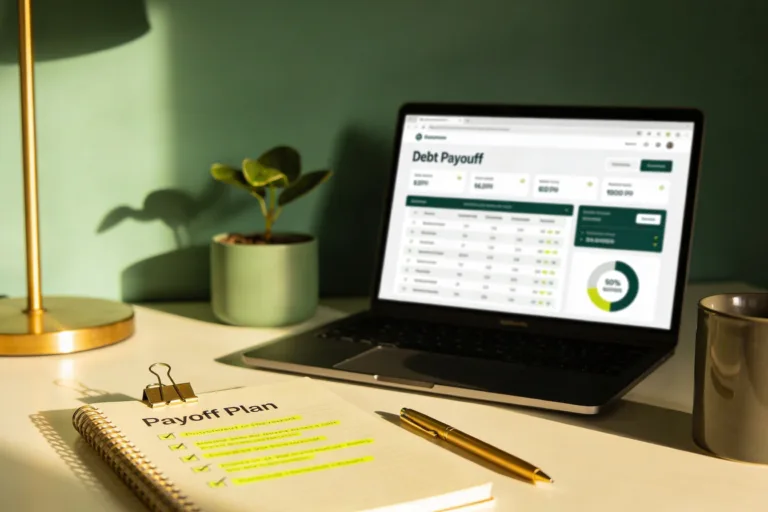
– Visual trackers: a simple chart or sticky-note wall where you move a marker as you pay down debt.
– Tie it to a goal: a vacation, a down payment, or finally a no-debt month when you reach a milestone.
– Accountability buddy: recruit a friend or join a small group to keep you honest. Quick check-ins beat crickets every time.
H3: If you slip, don’t quit
Life happens. If you miss a payment or two, breathe, reassess, and reset. You’re still in the game as long as you keep moving forward.
FAQ
Q: Can I really pay off debt by year-end if I’m currently behind?
Yes, but it depends on your numbers. It requires a plan, discipline, and maybe a small miracle. Start with the highest-impact move you can make this month, then compound. Consistency beats intensity.
Q: Is it better to pay off a small debt first or the one with the highest interest?
If you want quick wins and momentum, pay off the smallest first (snowball). If you care about long-term savings, tackle the highest interest first (avalanche). Do what keeps you moving.
Q: What if I can’t afford extra payments right now?
Focus on reducing expenses and eliminating wasteful spending first. Even a $10–$20 extra payment with every paycheck adds up over time. Every little bit helps.
Q: Should I tell family and friends about my plan?
Sharing your plan can boost accountability, but only if you’re comfortable. If not, keep it private and let your actions speak for themselves. FYI, you don’t owe anyone an explanation for prioritizing your finances.
Q: How do I stay motivated after a setback?
Revisit your why, reward yourself for small wins, and adjust the plan if needed. Remind yourself that a setback is not a defeat—it’s a data point you use to improve.
Conclusion
Debt payoff doesn’t have to be a boring slog. You can approach this with clarity, a dash of humor, and a plan that actually fits your life. Start with a clean audit, choose your payoff method, and automate the boring stuff. Add a personal reason to go all-in, and you’ll find your pace before the year ends.
If you’re feeling overwhelmed, remember: even small, steady movements compound into big wins. FYI, you’ve got this. The year-end payoff isn’t a fantasy—it’s a plan you can execute, one debt at a time.