How to Pay Off Debt Using Simple Habits That Actually Work
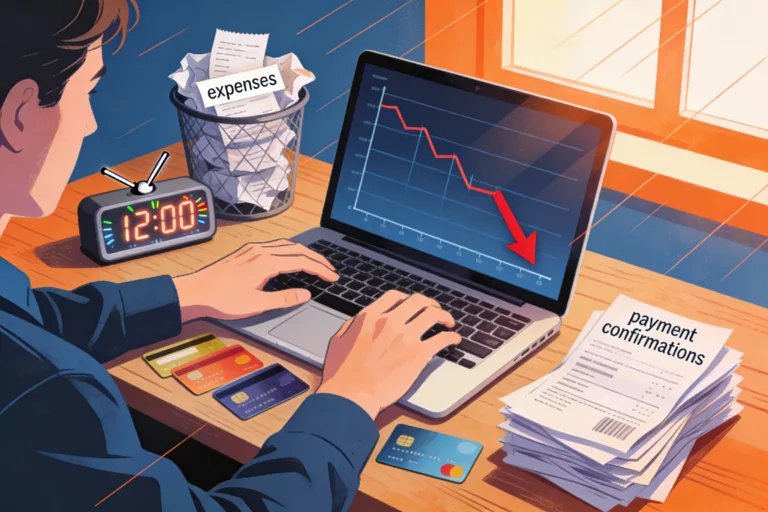
I know debt can feel like that clingy ex who won’t leave your wallet alone. But what if paying it off could become a series of tiny, doable habits rather than a scary big mission? Let’s turn debt chaos into simple, repeatable wins you actually enjoy.
Make the Plan Tiny and Tireless
Big plans burn out fast. Start with a plan you can repeat without losing your mind. Pick one small daily action that compounds over time.
– Choose a daily payoff amount you can actually sustain. Even $5 a day matters.
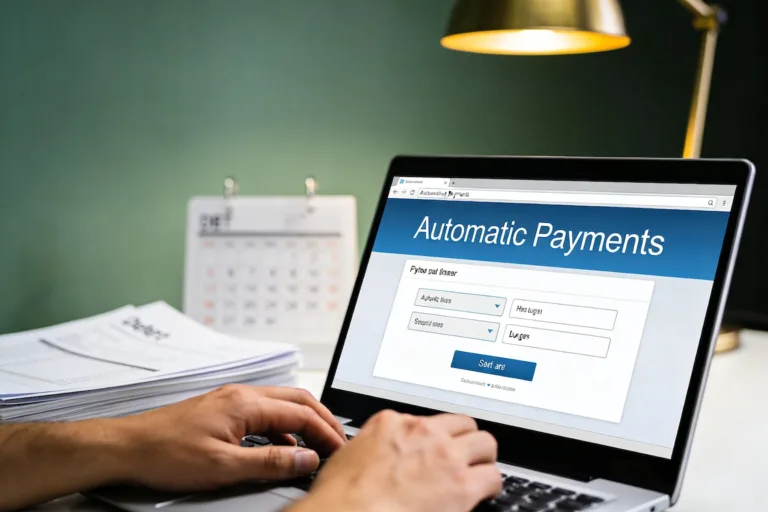
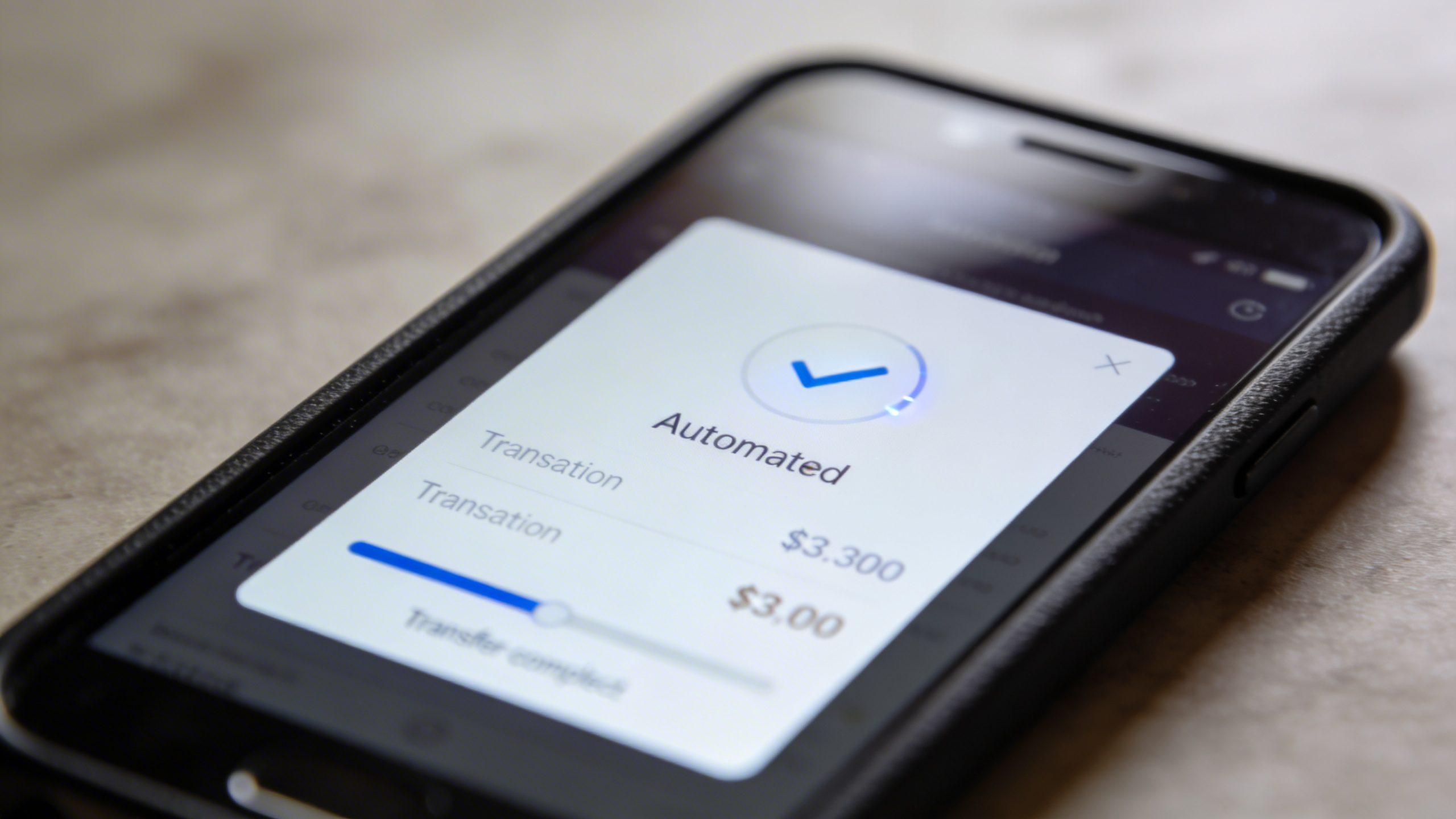
– Automate whenever possible. A small, automatic transfer sticks better than a stubborn willpower battle.
– Track with a single number. Your balance, your snowball size, your mental relief—pick one metric and stick to it.
Do you really need a complicated budget to win? Not necessarily. A simple “two jars” approach works: one for minimum debt payments and one for extra payoff when you can swing it. FYI, consistency beats intensity.
Habit 1: Automate Your Extra Payments

Automation is the secret weapon you forget you have. It turns effort into habit without constant decision fatigue.
Why automation matters
– It removes the “do I, won’t I” friction every month.
– It ensures you ride the wave of momentum rather than chasing after it.
– It reduces late fees and interest accrual—hello, more peace of mind.
How to set it up
– Pick a date right after payday. That way the money is already there when you arrive at the banking dashboard.
– Decide an amount you can comfortably part with: 3-5% of your income? A fixed $20? Whatever fits.
– Confirm it targets the highest-interest debt first, if possible. If your lender doesn’t offer a “snowball” option, you can still direct extra payments to the card with the highest rate.
If your autopay has a minimum and you’re paying extra, make sure the system isn’t canceling your extra payments because it sees the minimum as the entire balance. Double-check after the first month.
Habit 2: The $5 Rule (or Your Favorite Small Benchmark)
Small bets add up. The key is for you to actually do them, every day.
– Pick a tiny amount you can comfortably spare. $5, $3, or even $1 if that’s all you’ve got.
– Apply it to a debt with the highest interest or to the smallest balance (your choice, debt nerds).
– If you can’t spare cash, swap for a micro-commitment: donate a few minutes of time to a debt-related task (like updating a list of all debts) or sell one item a week.
Why it works: you train your brain to do this consistently, and consistency compounds into real payoff power. IMO, it’s almost too simple to ignore.
Habit 3: Weekly Debt Dig (Yes, a Quick Scrub)
Dedicate 20-30 minutes once a week to get your finances in shape. It’s not glamorous, but it pays off in spades.
- Review all balances to confirm accuracy.
- Check interest rates and any promo balance transfers you could exploit (careful with fees and timelines).
- Plan the weekend payoff push. Decide which debt gets the extra chunk this week.
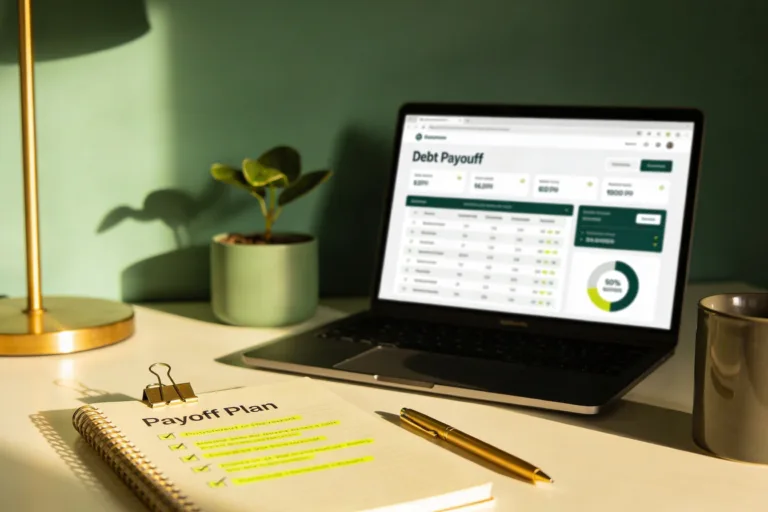
Weekly checklist you can copy
- Log into your debt accounts and confirm balances.
- Note any new charges or fees that could creep up.
- Adjust autopay if needed and schedule the next pay cycle.
- Celebrate small wins—did you shave a little more off the principal?
Habit 4: The Snowball (or Avalanche) Debate—and Your Pick
Two popular payoff methods, two different vibes. Let’s pick the one that sticks.
– Snowball method: pay off the smallest balance first while making minimums elsewhere. You get quick wins and motivation.
– Avalanche method: pay off the highest-interest debt first. You save the most money long-term.
Which is better? The one you’ll actually do. If you crave momentum, go snowball. If you want to minimize interest, go avalanche. Either way, stay consistent.
Combining with a Boost
– Every time you hit a milestone (pay off a debt, reach a monthly target), treat yourself with a tiny, affordable celebration. It keeps morale high without wrecking the plan.
– If you get a raise or windfall, direct a big chunk to debt payoff. Your future self will thank you.
Habit 5: Cut the Fat, But Don’t Starve the Joy
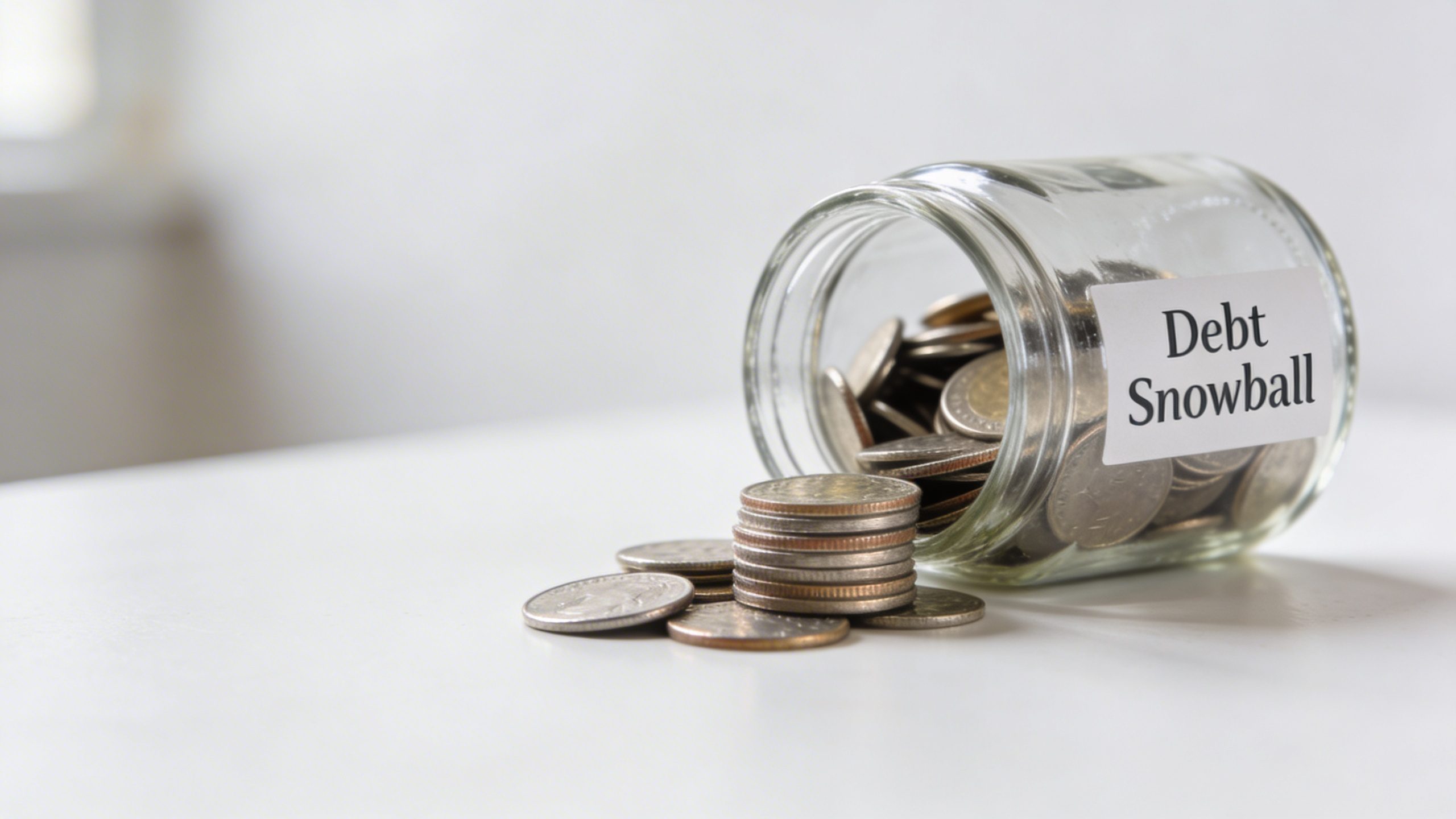
Debt payoff shouldn’t mean zero fun. It should mean smarter choices that still feel doable.
- Slash one recurring expense you barely notice—switch to a cheaper plan, cancel unused subscriptions, or renegotiate bills.
- Use cash-back wisely. If you’re routinely spending on non-essentials, redirect that cashback toward debt payoff.
- Limit “guilty pleasure” spending to a fixed cap. A small, weekly budget for treats can prevent overwhelm.
Frugal doesn’t have to be feral
FYI, you can be frugal and still enjoy life. It’s about intention, not deprivation. If you miss a night out, plan a cheap alternative that still scratches the social itch.
Habit 6: Build a Debt-First Mindset Imitating a Quick Habit
Your brain loves tiny routines you can repeat. Build a mental cue system.
– Every morning, scan one debt metric: balance, interest rate, minimum payment.
– Every evening, log any extra payoff you managed and what changed.
– Use a visible progress tracker. A simple sticker chart, a whiteboard, or a spreadsheet – as long as you see progress, you’ll stay motivated.
Deal with setbacks like a pro
Life happens. If you miss a payment or slip on a goal, don’t panic. Reassess, adjust the next month, and keep moving. The goal isn’t perfection; it’s steady improvement.
FAQ
1) Is it better to pay off high-interest debts first or small balances first?
Paying high-interest debts first minimizes the total interest you pay, which speeds up your overall payoff. If you crave quick wins to stay motivated, you can start with the smallest balance first (snowball) and then switch to the avalanche method once you gain momentum.
2) How long does it typically take to pay off debt with these habits?
It varies a lot by balance, interest rates, and how aggressively you payoff. A disciplined plan can shave months or years off the timeline. The key is consistency—small, regular payments beat heroic but sporadic efforts.
3) What about emergencies—should I save or pay debt?
Yes to both. Build a tiny emergency fund (like $500) while continuing debt payments. If you must choose, a small safety cushion prevents costly new debt during a pinch.
4) Can I use credit effectively while paying down debt?
Yes, but with caution. Use credit only for planned purchases you can pay off in full each month. Avoid carrying balances that accrue interest while you’re trying to pay off debt.
5) What if I can’t automate due to irregular income?
Even irregular income can be automated to some extent. Set a target payoff proportion for good months and a smaller baseline for lean months. Reconcile monthly and adjust as needed.
Conclusion
Debt payoff isn’t a grand sprint; it’s a series of small, repeatable habits that compound into real freedom. Automate what you can, commit to tiny daily actions, and keep the momentum going with weekly check-ins. Before you know it, your debt snowball will turn into a distant memory, and you’ll have a cleaner slate for the stuff that really matters.
If you’re feeling overwhelmed, start with one habit today. Maybe automate an extra payment. Maybe jot down your first tiny payoff amount. Maybe set a 20-minute weekly debt dig. Do something small, and FYI, you’ll be surprised how quickly “small” becomes “strong.” Ready to tackle it with me? Let’s pay off debt, one simple habit at a time.