How to Pay Off Debt Without Feeling Deprived and Still Live Well
I’m not here to shame you for your debt. I’m here to help you beat it without turning your life into a constant, gnawing hunger strike for money. You can pay off debt and still enjoy pizza nights, casual splurges, and weekend mini-adventures. Let’s make a plan that actually sticks.
Know Your Situation Without the Jazz Hands
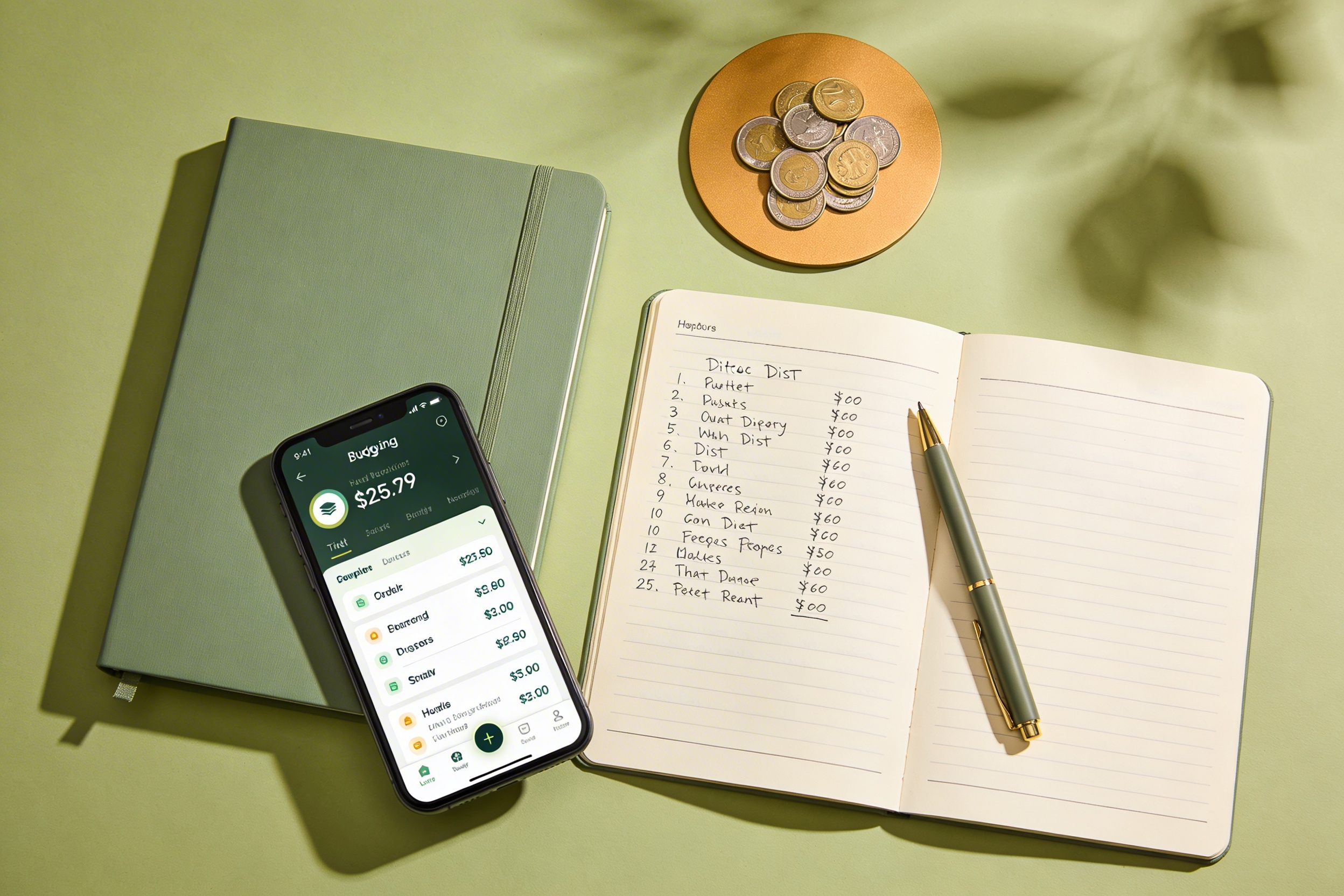
If you don’t know exactly what you owe, you can’t win. So grab a notebook or your favorite budgeting app and list it all. Credit cards, student loans, medical bills—name every one, even the tiny ones. Then note the interest rates, minimum payments, and due dates. This isn’t doom-scrolling; it’s your battle plan.
– List each debt with the balance, rate, and minimum.
– Add a quick note on any penalties or promo rates you’re juggling.
– Highlight fast wins—debt you can knock out quickly or with a lower interest rate.
Why bother? Because clarity is your secret weapon. Without it, you’ll guess your way through, and guessing never reduces numbers.
Choose Your Debt Elixir: Snowball or Avalanche?

Two popular methods, two different vibes. Pick the one that doesn’t make you crumble at the table of life.
Snowball: Small Wins, Big Momentum
– List debts from smallest balance to largest.
– Pay minimums on all but the smallest.
– Throw any extra toward the smallest debt until it vanishes.
– Rinse and repeat. The momentum feels like magic, even if the math is basic.
Pros: Quick wins, motivation on floodlights. Cons: Could cost more in interest over time.
FYI: This method helps your brain celebrate progress, which helps you stay consistent.
Avalanche: Save by Slashing Interest
– Sort by interest rate, highest to lowest.
– Pay minimums on all but the highest-rate debt.
– Focus extra payments on the highest-rate balance until it’s gone.
– Then move to the next highest.
Pros: Saves you money faster on interest. Cons: Takes longer to see the “zero” moment.
If you hate waiting for a finish line, avalanche is your logical friend. If you need a quick high-five for finishing something small, snowball might be nicer.
Make Debt Payment Feel Like a Lifestyle, Not a Sacrifice
If debt feels like a handcuff, you’ll rebel. Let’s reframe it as a short-term, high-retraction exercise that pays for your future self’s pizza nights.
- Set a “fun budget” you’re allowed to spend each week. Keep it small but real.
- Automate payments to avoid late fees and guilt trips from your future self.
- Negotiate interest rates or payment terms where possible. A quick call can drop a few percentage points.
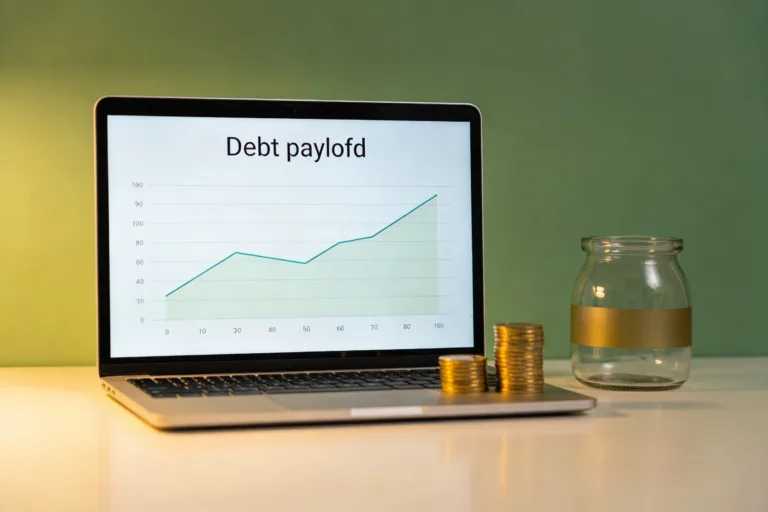
- Track progress visually. A simple chart or dashboard sparks dopamine when you pay down a debt.
Question for you: what’s one thing you can cut this month that won’t feel like a huge loss? If you can answer honestly, you’ll stay on course.
Smart Moves That Don’t Feel Scary

Budget tweaks that don’t feel like a punch to the gut.
tighten the belt without over-tightening
– Swap streaming services for a month or share accounts where allowed.
– Brew coffee at home instead of buying it every day.
– Plan meals, prep on Sundays, and avoid impulse buys at the grocery store.
Boost income without juggling a second job
– Sell items you don’t use. Yes, that jacket you love but haven’t worn since 2020 qualifies.
– Offer a side gig that fits your skills—freelance writing, tutoring, pet-sitting, or yard work.
– Use a “micro-increase” approach: one small habit that adds a few dollars weekly, like freelance gigs or odd jobs.
Protect Your Progress: Pitfalls to Avoid
Debt payoff is as much about avoiding regress as it is about moving forward.
- Don’t miss payments—even if you’re punting on larger debt. Payment history matters for credit scores and interest levies.
- Don’t chase promotions that reset your debt. A zero-interest promo ends; plan what happens after.
- Avoid lifestyle creep. Your income goes up; your expenses go up too if you’re not careful.
One common trap? The “I’ll celebrate with a splurge” loop. Small rewards are fine, but big binges derail your plan. Keep celebrations proportional to progress.
Emergency Funds: Your Safety Net Against Setbacks

Yes, debt payoff is important, but so is not sinking deeper when life happens. An emergency fund gives you a cushion so you don’t charge groceries when the car breaks down.
– Start with a tiny target: $500 or $1,000 if you’re risk-averse.
– Build gradually to 3-6 months of essential expenses.
– Stash it where you won’t touch it for everyday spending. A separate high-yield savings account can help.
If you’re tempted to dip into debt for emergencies, you’re training a bad habit. Stop that train before it leaves the station.
FAQ
Q: Can I still enjoy life while paying off debt?
Yes. The key is intentional, not abstinent. Create a budget that includes small joys—weekly takeout, a movie night, or a hobby fund. Plan these splurges around your payoff milestones so you still feel progress.
Q: How long does it realistically take to pay off debt using the avalanche method?
It varies, but with a solid plan and regular extra payments, you can shave months to years off total payoff times. The exact figure depends on your balances and rates, plus how consistently you stick to the plan.
Q: What if I can’t make minimum payments this month?
Reach out to creditors and explain the situation. Many lenders offer hardship programs, payment deferrals, or reduced minimums temporarily. Communicate early; most want you to avoid default as much as you do.
Q: Should I use a debt consolidation loan?
Maybe. A consolidation loan can simplify payments and lower interest, but it isn’t magic. It can also come with fees or longer terms. Do the math: total payments, interest, and total payoff time. If it helps you stay organized and lowers your rate, it’s worth considering.
Q: Is it worth negotiating with credit card companies?
Absolutely. Call and ask for a rate reduction, a temporary lower APR, or a hardship plan. Be polite, explain your situation, and have your numbers ready. You might be surprised by what you can save.
Conclusion
Debt payoff isn’t a punishment; it’s a skill you practice until it sticks. Start with a clear map of what you owe, pick a payoff method that fits your vibe, and add in small, sustainable changes that don’t derail your life. Celebrate micro-wins, protect yourself with an emergency fund, and keep your eyes on the long game. FYI, you’re not chasing perfection—you’re chasing progress. You’ve got this, one payoff at a time.