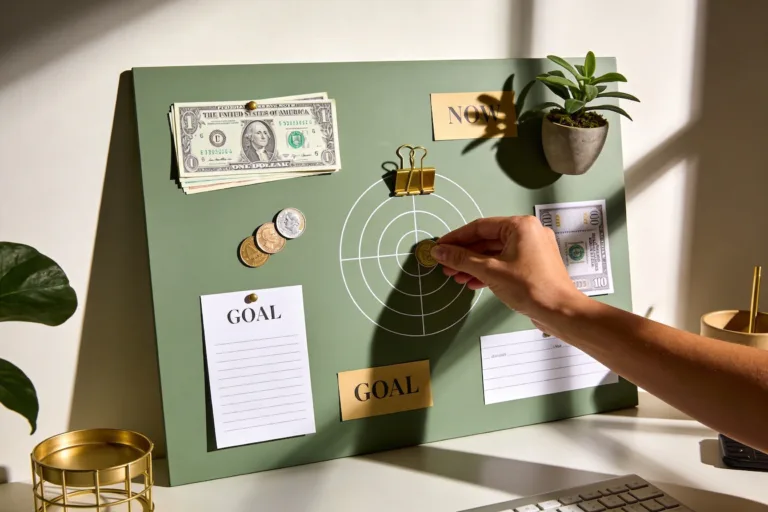

How to Stop Feeling Broke All the Time and Take Control
I know that feeling all too well: paycheck arrives, you stare at the numbers, and somehow it still feels like a mystery novel with a broke ending. Let’s cut through the noise and get you back in control. No grand promises, just practical, doable steps you can actually stick with.
Get Real About Your Money Mood
Feeling broke isn’t just about money—it’s a habit dressed in anxiety. Start by naming the emotion instead of dodging it. Are you worried about bills piling up, or the fear of not having a cushion for emergencies? Recognizing the root helps you pick the right move, not the loudest one. FYI, a simple check-in can stop the spiral before it starts.
Create a Quick, Honest Budget That Works

Budgeting sounds boring, but it doesn’t have to be a drag. Aim for a plan you can actually follow, not a perfect one you’ll abandon in a week.
- Track where every dollar goes for a week. Yes, every sip of coffee counts when you’re trying to stop feeling broke.
- Use three buckets: needs, wants, and savings. Keep it practical—no over-optimistic income estimates.
- Automate a small savings transfer on payday. If you don’t see it, it won’t vanish on you.
Smart adjustments you can actually keep
- Slash tiny, recurring expenses you barely notice—gym memberships you never use, streaming plans you share, subscriptions you forgot about.
- Switch to generic brands for staples. The savings compound quickly without feeling like a punishment.
Change Your Spending Script
The way you talk about money influences what you do with it. If you’re always saying “I can’t afford that,” your brain tunes into constraint. Swap in a more constructive script.
- Reverse the phrase: “From my budget, I can, and I will.” Say it like you mean it—even if you don’t feel it yet.
- Delay big purchases by 24 hours. If you still want it after a day, you’ve earned the right to buy it—responsibly.
Impulse control without the guilt trip
- Take advantage of the 24-hour pause for non-essential buys. If it goes on sale, you can still buy it later, but with less drama.
- Create a “fun fund” separate from essentials. It’s your money, not a tiny victory you owe yourself for not being broke.
Boost Your Cash Flow Fast (Even on a Tight Schedule)

Time to get creative. Boosting cash flow doesn’t mean moonlight gigs and chaos. It means smarter moves with your current calendar.
- Sell stuff you don’t use. A cleaner space equals a lighter wallet and a lighter mind.
- Freelance small gigs that fit your skills. No hustling until 2 a.m.—pick tasks you actually enjoy or don’t hate doing.
- Use “skill swaps” with friends. A little barter can save cash and build community.
Side hustle sanity check
- Estimate hours per week and expected earnings. If you’re chasing $200/week, map out how many hours that’ll take and what else you’ll skip to fit it in.
- Keep it lean. Your goal is extra money, not extra stress.
Bigger Wins: Debt and Credit, Without the Drama
Debt can feel like a gym membership you never wanted but keep paying for. Let’s tackle it without the melodrama.
- List all debts with interest rates. Tackle the highest rate first, or pay smallest balance to gain momentum—pick your preferred method and stick with it.
- Negotiate with creditors. You’d be surprised how often you can land a lower rate or a payment plan with a friendly call.
- Build credit slowly but intentionally. Make small, timely payments and don’t open more cards than you can manage.
Emergency fund, yes or no?
- Yes—start with a tiny goal, like $500. Once that sticks, aim for $1,000, then 3–6 months of expenses.
- Automate a monthly transfer after you pay essentials. It’s boring, but boring money wins games.
Mindset Moves: From Scarcity to Strategy

Your money mindset matters more than you think. It shapes your decisions, your energy, and your resilience.
- Question scarcity thoughts. If you catch yourself thinking “I’ll never get ahead,” flip it: “What small step can I take today to move forward?”
- Celebrate small wins. A tiny victory beats a huge complaint every time.
- Adopt a one-tab-at-a-time approach. Don’t multitask money—focus on one improvement, then move to the next.
Small Habits That Clear the Financial Fog
Tiny actions done consistently beat big intentions that never happen.
- Set a weekly money check-in. Review earnings, expenses, and progress on goals in 20 minutes or less.
- Prepare an actual grocery list and stick to it. Budget-friendly meals fuel your days and your wallet.
- Keep a “money win” journal. Jot down every small victory, whether you stuck to a budget or negotiated a bill.
FYI: Automation is your friend
- Automate bill payments so you never miss due dates and avoid late fees.
- Set up automatic transfers to savings and debt payments—out of sight, out of mind, but still in progress.
FAQ: Quick Answers to Your Burning Money Questions
What if my income is unpredictable?
Base your budget on your average income over the past few months and build a safety buffer for slow periods. When money comes in, you automate essential transfers first, then allocate leftovers to debt, savings, or fun. FYI, a flexible plan beats a rigid one every time.
How can I stay motivated without burning out?
Set small, concrete milestones and celebrate when you hit them. Pair changes with something enjoyable, like a small treat after a budgeting session. Ask a friend to join you for accountability—peer pressure works in a good way here.
Is it realistic to save while paying off debt?
Yes, with a plan. Pick a debt payoff method you can tolerate, then automate a small savings amount simultaneously. Even $5–$10 a week adds up and keeps you in the habit of saving. IMO, progress beats perfection.
What if I feel overwhelmed by the numbers?
Take a breather and start with the simplest step: track yesterday’s spending. You don’t need to overhaul your life in one day. Small, consistent actions create real momentum over time.
How long does it really take to stop feeling broke?
Depends on your starting point and consistency. Most people notice a mood shift within a few weeks of sticking to a budget, trimming extras, and building a small emergency fund. Remember, it’s a marathon, not a sprint.
Conclusion
You don’t have to live in a constant state of “I’m broke.” You can build a healthier money routine that fits your life and sticks around longer than a quick fix. Start with one small change, celebrate it, then pick the next. IMO, momentum is your secret weapon here.
If you’re ready, pick one action today: track your spending for a week, automate a savings transfer, or schedule a 20-minute money check-in. Small steps, big impact. You’ve got this. And hey, FYI, you’re not alone in this—we’re in this together.