
Money Mindset Habits for Everyday Life: Simple Wins for Daily Wealth
Money Mindset Habits for Everyday Life
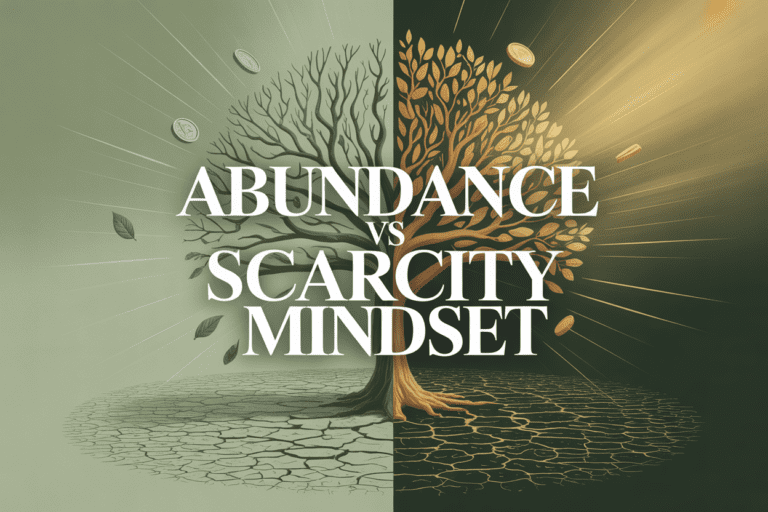
From impulse buys to penny-pinching myths, your money mindset shapes every daily choice. Let’s cut through the noise and swap guilt trips for practical, repeatable habits. Yes, you can enjoy life now while stacking a little more security for later. Sound good? Let’s dive.
What “money mindset” even means in real life
Your money mindset isn’t a fancy theory; it’s the lens you use when you look at your bank account, your bills, and your dreams. It’s the default reactions you have when prices pop up or when a surprise expense lands. Pick a lens that serves you: curious, honest, and a bit stubborn about your goals.
– It’s not about vibes only; it’s about consistent actions that match your goals.
– It’s not fixed; you can rewire it with tiny daily choices.
– It’s not all or nothing; small upgrades beat big fantasies any day.
If you’re nodding along, you’re in the right headspace. FYI, tiny shifts compounds into real results over time.
Build a money routine you actually enjoy
The secret sauce isn’t a 5-hour daily ritual; it’s a routine you don’t dread doing. Make money work as hard as you do at your job or your side projects.
What to include:
- Daily check-in: glance at spending for the day, no guilt attached.
- Weekly update: categorize expenses and note any trends.
- Monthly glance: review progress toward goals and adjust as needed.
– Keep it short and actionable. If it takes more than 15 minutes, you’ll skip it.
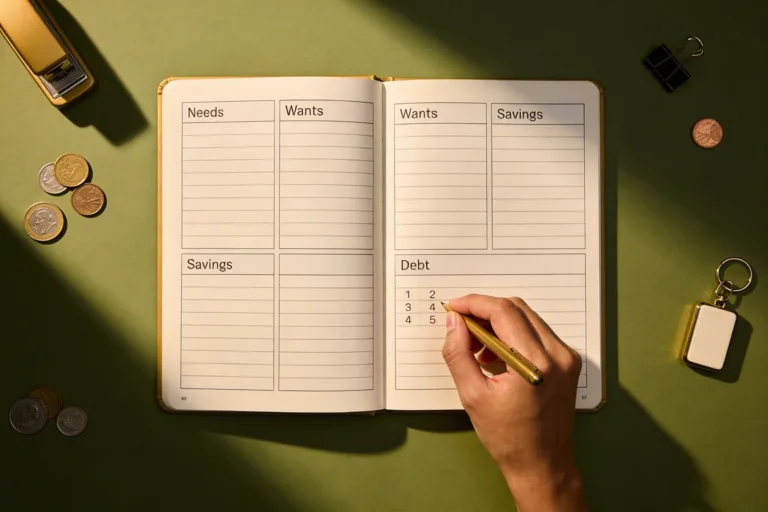
– Use a simple system: one category for wants, one for needs, one for savings.
– Automate where possible, but stay in the loop enough to notice red flags.
A quick tip: set a tiny weekly challenge, like “no new subscriptions this week.” It’s low-stress but high payoff.
Wants vs. needs without the guilt trip
Who hasn’t blown a budget on something shiny? The trick is to separate wants from needs and then decide how to treat each.
- Needs get priority: housing, food, healthcare, essential transportation.
- Wants get a voice, not a veto: allocate a small, predefined “fun fund.”
- Treat impulse purchases like experiments: wait 24 hours, write down why you want it, then decide.
How to create a fair “fun fund”
– Set a monthly cap that won’t derail your goals.
– Use it for small pleasures: coffee runs, a book, a movie night.
– If you miss a month, adjust rather than punish yourself.
Want a quick win? Cancel one unused subscription and put the money into your fun fund. You’ll feel the difference instantly.
Debt, but make it boring (the hero of the story)

Debt gets a bad rap, but a boring, boring plan can make it fade away. The goal: reduce anxiety, not just numbers on a page.
Simple approach:
- List all debts from smallest to largest (the snowball method) or highest interest to lowest (the avalanche method). Pick one and commit.
- Automate a little extra toward the chosen debt each month.
- Celebrate tiny wins; they compound into motivation.
– Don’t skip insurance, retirement, or emergency savings while you attack debt.
– If you’re overwhelmed, trade a few fancy coffees for a month and redirect the savings.
FAQ moment: “Is it smarter to pay off debt or invest right now?” It depends on your interest rates and your emotional bandwidth. If high-interest debt haunts you, tackle that first. If you’re already in a stable zone, contributing to a retirement or an emergency fund can be the smarter long-term move. IMO, a blend often works best.
Small spending hacks that actually stick
The best hacks aren’t flashy; they’re predictable and repeatable.
- Price compare, then pick the better value, not the cheaper option you’ll regret.
- Shop with a list—and honor it. Brain fog only opens the door to regretful snacks.
- Use cash for a week to feel the texture of your money. It’s oddly grounding.
- Fix before you replace. A quick repair beats a full new purchase most of the time.
Mindset shifts that actually move the needle

If your brain keeps looping on “You need more money,” try these tweaks instead:
– Reframe scarcity as curiosity. Ask, “What would this money let me do next month?” It changes the energy.
– Change the language you use with yourself. Swap “I can’t afford this” with “I’m choosing not to spend on this right now.”
– Treat money as a tool, not a measure of your worth. Your value doesn’t rise and fall with your balance.
Habit stacking for momentum
Pair a new money habit with something you already do daily.
– After brushing teeth, review tomorrow’s budget. Simple, but it sticks.
– While waiting for coffee, log one expense you avoided buying that day.
– During lunch, plan one small, positive money action for the week.
Celebrating micro-wins
– Save $5 here, skip a single impulse buy there, and log it. Before you know it, you’ve got a decent cushion.
– Share wins with a friend. Social accountability beats solo nagging.
FAQ
What’s the first tiny habit I should start with?
Start with a 5-minute daily money check-in. Look at three numbers: today’s spend, today’s savings, and the one thing you’ll do to move closer to your goal. Simple, repeatable, non-threatening.
How do I stay motivated without turning budgeting into a drag?
Make it human. Tie progress to concrete outcomes you care about—travel, a safety net, or a hobby fund. Celebrate tiny milestones with something enjoyable that doesn’t derail the plan. FYI, progress compounds faster than guilt trips.
Is it okay to treat myself while paying off debt?
Yes, as long as you’re honest about it. Allocate a small, defined portion of your budget to “fun,” and keep debt payments on track. It’s about sustainable balance, not deprivation.
What if my income is unpredictable?
Build a flexible plan. Create a small emergency fund first, then design spending rules that bend with income changes. Variable income thrives on clarity and automation wherever possible.
How can I avoid lifestyle creep?
Set a long-term goal that excites you more than new gadgets. When you earn more, increase savings first, then upgrade only what truly matters. FYI, “more money” rarely equal happiness unless your money mindset grows with it.
Conclusion
Your money mindset isn’t a secret sauce you apply once. It’s a series of small, repeatable habits that rewire how you think about value, trade-offs, and timing. Start with a routine that fits your life, respect your needs, and give yourself permission to enjoy the journey. Money can be a tool, not a wonky dictator. Ready to test a new habit this week? Your future self will thank you.