
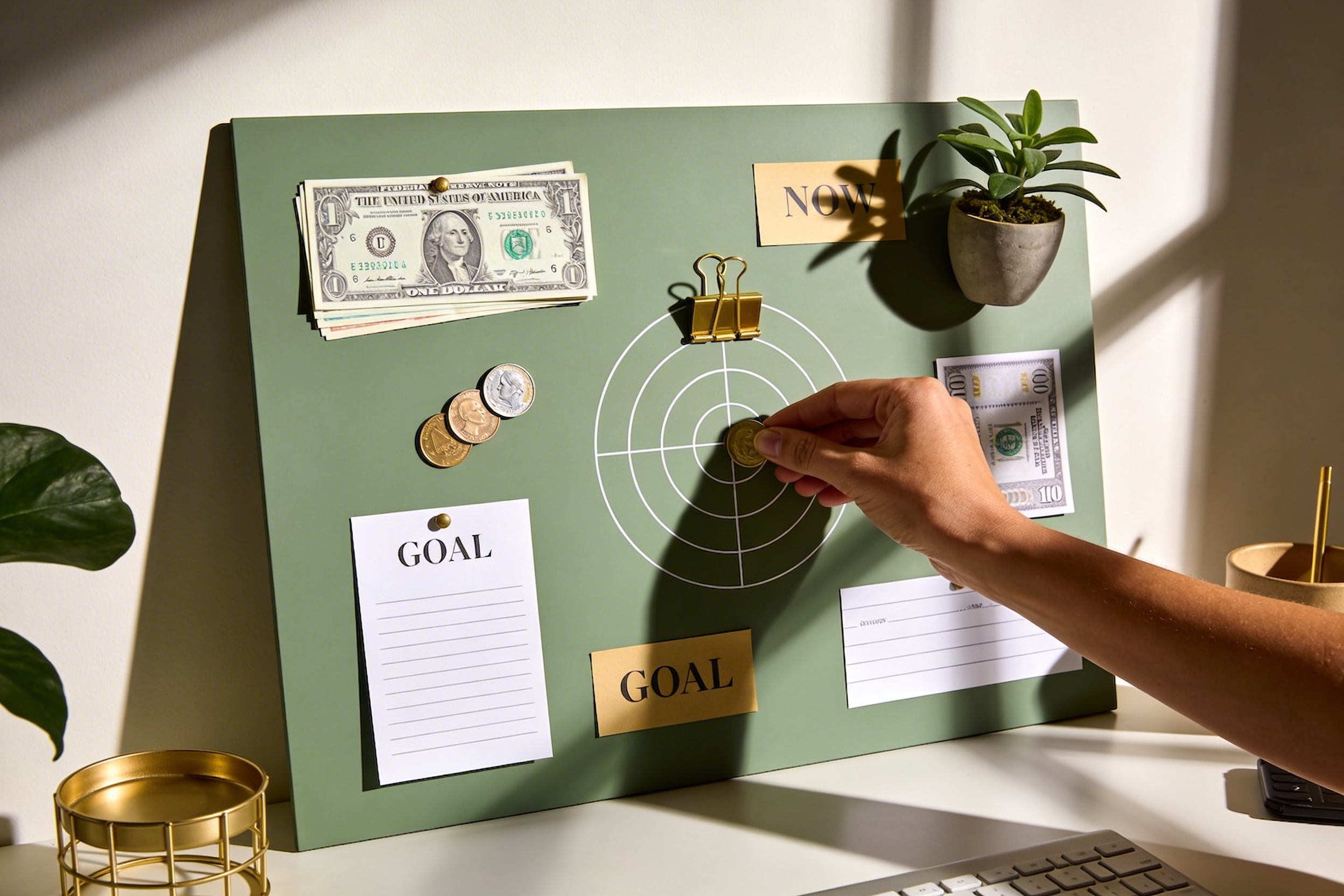
How to Create a Money Vision Board You’Ll Love
We all want more money in our lives, but sometimes a simple nudge is all you need. A money vision board can be that nudge: a fun, tactile reminder that helps your brain focus on what you actually want to attract. No magic wand, just clear visuals and steady vibes. Ready to build yours?
Why a money vision board actually works
Your brain loves hinges. When you see a specific goal, it starts spotting opportunities you’d otherwise miss. A vision board turns abstract dreams into concrete images and phrases you’ll encounter daily. FYI, this isn’t witchcraft—it’s focus, repetition, and a little creative play. It’s like giving your future self a roadmap instead of a blurred path.
Gather your materials without turning this into a project mountain

Start simple. You don’t need a fancy printer or a perfect aesthetic to win with a money board.
- Scissors, glue, and a sturdy board or poster.
- Magazines, printouts, or a few favorite photos.
- Markers, stickers, and washi tape for flair.
- A timer and a cozy corner—avoid distractions.
Keep it approachable. The goal is momentum, not a magazine-worthy spread. If you’re pressed for time, go digital: a collage app or a Pinterest board works just as well.
Define what “money” means to you
Money shows up in so many forms. Debt-free? A lump sum for a dream purchase? A steady passive income? Start by naming specifics.
Clarify your money goals
- What dollar amount would drastically change your life this year?
- What financial habit do you want to master (budgeting, investing, saving a certain percent)?
- What experiences become possible with more money (travel, education, time freedom)?
Be concrete. If you want “more income,” specify “an extra $500 a month” or “two freelance clients.” The brain loves precise targets more than vague vibes.
Prioritize values over numbers
Money is a tool. Tie goals to values like security, generosity, or creativity. This keeps you motivated if the number shifts or life happens. Ask yourself: would pursuing this align with my bigger picture?
Curate images and phrases that spark emotion

Images should make you feel something—excitement, relief, pride. The more emotionally charged, the better.
- Cut out visuals of the life you’re after: a home improvement project if you want stability, a vacation scene if you crave freedom, a photo of your future business card if you’re building a side hustle.
- Use bold phrases that resonate. “I am financially free,” “Money flows to me easily,” or “I invest in my future.”
- Include small wins too: a receipt showing a paid-off debt, a saved emergency fund badge, or a note about a successful negotiation.
Tip: mix big dreams with tiny wins. Your board shouldn’t feel intimidating; it should feel inspirational.
Structure your board for momentum
How you lay things out matters less than what you include and how you’ll look at it.
Sections that keep you on track
- Big goals section: the money targets you’re aiming for this year.
- Milestones: quarterly micro-goals or actions that move you forward.
- Habits to reinforce: daily or weekly actions that support your money goals (track spending, automate savings, invest monthly).
- Affirmations: short, positive statements that boost confidence and consistency.
Placement tips for daily impact
Place the board somewhere you’ll see it every day. Your desk, the bathroom mirror, or the fridge door—somewhere you won’t ignore. The more you glance, the more your brain nudges you toward small, meaningful actions.
Turn actions into a concrete plan

A board looks cute, but it shines when it nudges behavior.
- Set a monthly money action: automate a transfer, review one budget category, or reach out to a potential client.
- Break big goals into weekly tasks: “save $25 this week,” “find one extra hour for a side project.”
- Track progress visually: a simple checklist or dots on the board for each completed step.
Pro tip: pairing a visual cue with a specific action creates a powerful cue-reward loop. Your brain starts to anticipate the reward you’ve mapped out, which makes you more likely to act.
Incorporate a little accountability and fun
You don’t have to go full drill sergeant to stay on track.
Accountability, minus the guilt
Share your board with a trusted friend or a money buddy. Not to judge, but to cheerlead. A quick check-in keeps you honest and gives you a reason to celebrate.
Make it enjoyable
If the board feels like a chore, you’ll abandon it. Reward yourself for milestones—coffee on Fridays, a new plant for your desk, or a mini celebration after hitting a savings target. IMO, small rewards fuel consistency.
Refresh and evolve as you grow
Your money vision board isn’t a tattoo. It’s a living document that should shift with you.
- Revisit monthly: do the images still spark motivation? Replace or rotate anything that feels stale.
- Update goals as you hit them. If you’ve crushed a milestone, trade it for the next level.
- Drop bottlenecks: if a habit isn’t sticking, swap it for something easier or add a prompt to your day.
Getting real: common pitfalls to dodge
Even with the best intentions, it’s easy to derail a money board.
- Too vague goals: “more money” becomes nothing you can chase. Be specific.
- Overstuffing the board: a crowded board feels chaotic. Prioritize a handful of clear targets.
- Neglecting action: visuals are great, but they only work if you pair them with consistent steps.
FAQ
How long does it take to see results from a money vision board?
You’ll feel a shift in your mindset almost immediately as you start focusing on concrete targets. Actual financial changes vary, but most people notice better money habits within 4–8 weeks if they’re consistent with actions.
Can I do a digital vision board instead of a physical one?
Absolutely. Digital boards work great, especially if you share them or want to keep them on a device you already use. Just make sure you still review it regularly and interact with it the same way you would a paper board.
What should I do with the board after I hit a goal?
Celebrate, then either replace that goal with a bigger one or rotate in a new milestone. Keeping the board fresh helps your money mindset stay hungry—in a good way.
Is a money vision board really a substitute for a budget or financial plan?
Nope. It complements a plan, not replaces it. Use the board to stay motivated and focused, while your budget and plan provide the nuts-and-bolts structure you need to actually move money around.
How often should I update or refresh my board?
Aim for monthly check-ins. If you hit a big milestone early, refresh sooner. If life is busy, a quarterly refresh still keeps things relevant and exciting.
Conclusion
A money vision board is a playful way to prime your brain for financial wins. It’s not magic—it’s visibility, repetition, and action lined up with your values. Start with a simple board, get clear on what money actually means to you, and let your daily glance become a tiny nudge toward bigger outcomes. Ready to give it a go? Grab some scissors, a few images, and a big burst of curiosity. Your future self will thank you.