
How to Budget for Families on One Income: Simple Wins
The moment you realize one income doesn’t have to mean “less life,” you start budgeting like a pro. Yes, you can feed, clothe, educate, and still have money for fun. Let’s turn one steady paycheck into a smart, sane family budget that actually sticks.
Know Your Numbers Without Losing Your Mind
Budgeting starts with a clear picture. If you don’t know what comes in and what goes out, you’re flying blind with a leaky wallet.
– Track one month of expenses in a simple list. Include rent, utilities, groceries, transportation, insurance, debt payments, and a fudge factor for unplanned stuff.
– Separate needs from wants. Wants are great, but they shouldn’t hijack your priorities.
– Calculate your net income after taxes. This is the real number you’ll base everything on.
FYI, don’t pretend credit card swipes are invisible. They add up fast when you’re not paying attention. Do a quick tally at the end of the month to see where you’re actually spending.
Set Realistic Family Priorities
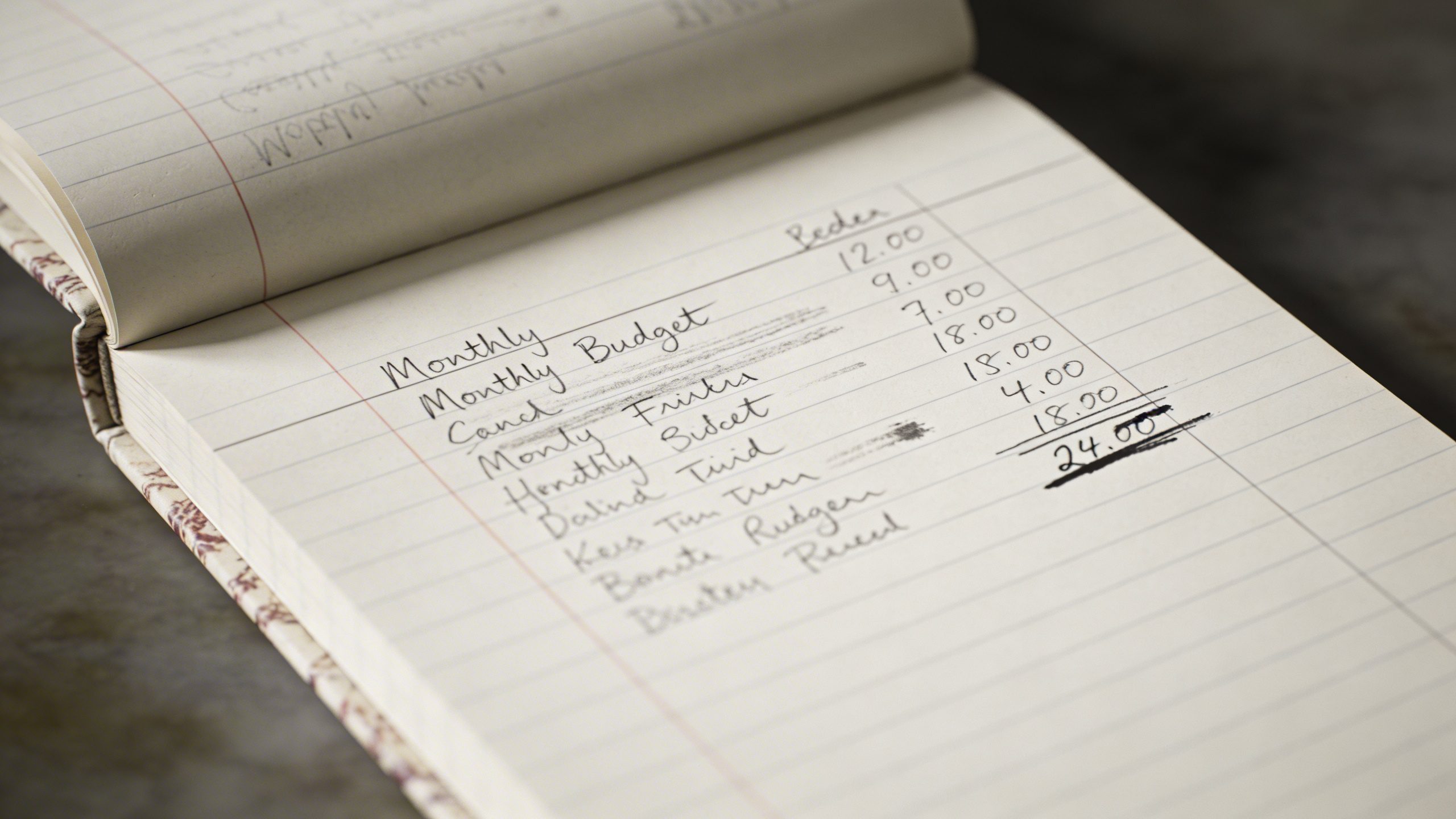
One income means you pick your battles. Do you want more in savings, more for activities, or a bigger cushion for emergencies? Pick two or three goals you’ll actually chase.
– List 3 core priorities and 2 backup ambitions. Keep it tangible: “save $200/month” or “pay extra on the student loan by $50/week.”
– Put emergency savings first. A 3–6 month cushion protects you from life throwing curveballs.
– Build in kid-friendly goals. A small fund for school lunches, field trips, or birthday parties prevents budget blowouts.
Subsection: Quick-win hacks
Emergency fund on a single income
– Start with $500 as a starter fund, then target $1,000, then build to 3–6 months.
– Automate small transfers on paydays so you don’t even have to think about it.
Smart Spending: Groceries, Housing, and Utilities
Groceries can be a black hole if you don’t corral it. Housing is often the biggest line item, but you can improve the math without miserable sacrifices.
– Grocery wins: plan meals, write a shopping list, and stick to it. Buy in bulk where it makes sense, but beware of waste.
– Cook at home more. It’s cheaper and often healthier than takeout every night.
– Housing hacks: renegotiate rent if possible, compare utility providers, and unplug energy vampires. Small changes add up.
– Utility budgeting: set a monthly cap and use a table to track actual vs. budgeted.
Meal planning that won’t bore you to tears
– Create a 2-week rotation of go-to meals. Reuse leftovers creatively to minimize waste.
– Use multi-purpose ingredients across meals, like roasted chicken that becomes sandwiches and soup.
– Keep a simple pantry with staples: rice, beans, pasta, canned tomatoes, spices. You’ll thank yourself on a busy week.
Debt and Savings: The One-Two Punch

Debt can feel like a heavy anchor when you’re living on one income. The goal is to reduce interest and build momentum.
– List debts by interest rate, then decide on a payoff strategy: avalanche (high interest first) or snowball (smallest balance first).
– Tie debt payments to your monthly budget so you don’t stall out.
– Create a small, automatic savings plan even while paying debt. Yes, you can do both.
Automate, then elevate
– Set up automatic transfers for debt and savings right after payday.
– Reassess every 90 days. If you get a raise or a bonus, bump the contributions a notch.
Lips on the Budget: Insurance, Healthcare, and Protecting Your Income
When there’s only one income, protecting it feels extra important. Health scares, job changes, or accidents can derail months of careful budgeting.
– Review essential insurance: health, home, auto, life (or at least a basic term policy).
– Build a simple healthcare plan: know your deductible, co-pays, and where to get generic meds.
– Consider an emergency income plan: what happens if one parent takes time off? Could you cover with savings or a family member’s help?
Subsection: Simple safety nets
What if someone needs to take time off?
– Have a plan for paid time off, disability benefits, or family leave. If your job doesn’t offer it, look into local programs or a casual agreement with a partner.
Side Hustles and Household Wins Without Burning Out

One income doesn’t mean you can’t have a little extra pinky toe in the water. A modest side hustle can pad your budget without wrecking family life.
– Pick flexible gigs: freelancing, remote work, or selling handmade items.
– Turn hobbies into income streams carefully. If it feels draining, it’s not worth the extra stress.
– Involve kids where appropriate. Simple tasks like stuffing envelopes or selling lemonade teach budgeting and responsibility.
Small side gigs that fit a busy schedule
– Tutoring, pet-sitting, or freelance writing for a few hours a week.
– Rent out a spare gadget or space if you’ve got it.
Teaching the Family Budget: Communication Wins
The budget works best when everyone buys in. Kids learn quickly when they see the budget in action and understand the why behind it.
– Have a monthly family budget review. Keep it brief, fun, and constructive.
– Use kid-friendly goals: “We’re saving for a family camping trip.”
– Celebrate small wins. Even a tiny victory deserves a high-five and maybe a movie night.
Subsection: Keeping it light
How to explain budgeting without drama
– Frame it as a team sport. “We’re all in this together, and we’ll win some days and adjust others.”
– Use visuals: a simple jar system or a color-coded chart helps kids grasp the concept.
FAQ
Is it possible to budget on a single income if we’re already there but feeling stuck?
A fixed income can be enough if you concentrate on reducing waste, prioritizing needs, and automating savings. Revisit your numbers quarterly and adjust caps on discretionary spending.
What if I have debt and an emergency fund at the same time?
Start with a small emergency fund and chip away at the debt with a structured plan. Once you hit a safety cushion, accelerate debt payoff.
How can we save more without cutting all fun?
Allocate a “fun fund” monthly. When that fund runs out, wait until next month to avoid guilt trips. Small, intentional spending feels more satisfying than big, impulsive purchases.
Where should we start if we don’t have a budget yet?
Begin with a 30-day tracking period to see where money actually goes. Then create a simple plan: essentials first, debt strategy second, savings third, and fun last.
What’s the biggest mistake families on one income make?
Underestimating how small, consistent contributions add up. A habit of sporadic saving rarely yields momentum. Automation makes you stick with it, even when you don’t feel like budgeting.
Conclusion
One income doesn’t equal one dull life. It means you get to be crafty, intentional, and a little bit clever with money. Start small, keep it consistent, and celebrate tiny fiscal wins along the way. FYI, you don’t need to become a budgeting wizard overnight—just a well-organized, realistic plan that fits your family’s rhythm. With the right setup, you’ll feel more in control, less stressed, and maybe even find room for a spontaneous movie night or a beach day without sweating the credit card bill.