
How to Build Wealth Slowly Through Investing Without Stress
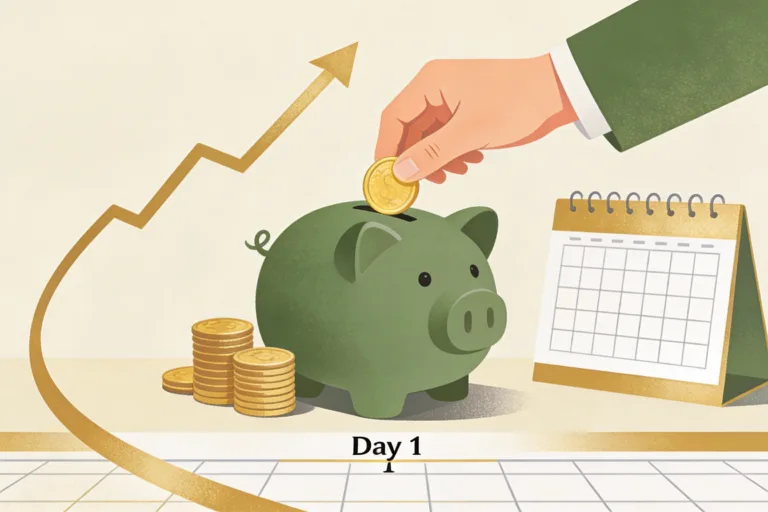
Wealth isn’t built overnight, it’s built in small, stubborn increments that actually stick. If you’re after a path that doesn’t require a crystal ball or a magic algorithm, you’re in the right place. Let’s talk about growing your money slowly, steadily, and sustainably through investing.
Start with a boring, powerful plan
Building wealth slowly starts long before you pick your first stock. It starts with a plan you can actually follow when life gets loud.
– Define a clear goal: how much do you want to save, and by when? No vague fantasies—numbers that scare you a little but also excite you.
– Automate everything: automatic contributions beat heroic effort every time. If you don’t see it, you won’t miss it.
– Live below your means, not below your vibe: you don’t have to vanish from social events, you just need to spend thoughtfully.
Think of your plan as a boring, reliable friend. It might not be flashy, but it’s there when you need it, rain or shine. FYI, consistency beats intensity.
Choose a sane investment framework

You don’t need a fancy sleeve-full of shiny funds to win at investing. A simple framework can outperform chaos.
– Low-cost index funds or ETFs: broad market exposure, minimal fees, and historically solid long-term returns.
– Diversification: a little piece of many pies reduces risk. Don’t bet the house on one stock or one sector.
– Time over timing: focus on how long your money sits in the market, not how perfectly you time the entry.
If you’re overwhelmed, start with a target-date or total-market fund. IMO, it’s the boring genius move that actually works.
Make it automatic: the autopilot you actually want
The easiest way to build wealth slowly is to automate every sane decision you can.
Automatic contributions
– Set up monthly transfers from your paycheck or checking to your investment account.
– Increase the amount gradually as your salary grows or debts disappear.
– Treat investments like a recurring expense you can’t skip.
Rebalancing without the drama
– Check your portfolio a couple of times a year, not every day.
– Rebalance back to your target allocation when drift runs wild.
– Let boring rules guide you; don’t chase hot winners.
Automation turns investing into a habit rather than a personal project you dread.
Debt, emergency fund, then invest

A lot of people love the shiny parts of investing while ignoring the housekeeping. Don’t do that.
– Pay off high-interest debt first. The math favors you when you reduce interest costs before you chase returns.
– Build an emergency fund: 3–6 months of essential expenses buys you sanity during unexpected chaos.
– Then invest the rest. Once you have cushion and clarity, the rest is just steady action.
This order isn’t the sexy headline, but it’s the responsible one. It keeps you investing without losing sleep over a sudden layoff or car repair.
What slow wealth actually looks like in numbers
The beauty of slow wealth is that it actually adds up without you feeling like you’re missing out on life.
– Consistent contributions: small, regular investments compound over time.
– The magic of compounding: today’s earnings earn you tomorrow’s earnings.
– Realistic expectations: you won’t become a millionaire tomorrow, but you’ll steadily grow.
Here’s a simple thought experiment: if you invest $300 a month in a broad market fund with a modest 7% annual return, you’ll surpass six figures in a couple of decades. It’s not flashy, but it works when you stick with it.
Handle risk without turning risk-averse into paralysis

Risk isn’t the enemy; a poorly managed risk plan is.
– Know your risk tolerance: are you cool with swings, or do you panic at every dip? Your answer should guide your asset mix.
– Diversify across asset classes: stocks, bonds, real estate investment trusts (REITs), and maybe a dash of cash equivalents.
– Use a glide path as you age: a gradually more conservative mix as you approach big milestones.
Remember, you’re not chasing perfection; you’re chasing a smoother ride. IMO, the best investor is the one who stays invested.
Subtle habits that compound your gains
Tiny, sustainable habits beat occasional big bets.
– Regular learning: reserve a little time each month to read, listen, or watch about investing basics and personal finance.
– Track your progress, not your ego: celebrate milestones, not wins you didn’t actually earn.
– Avoid lifestyle creep: save and invest the difference rather than inflating your whole life around a bigger salary.
Small habits, big outcomes. It’s not glamorous, but it’s incredibly effective.
When to seek help and what kind
You don’t have to go it alone, but you don’t want to hire a magician either.
– Fee-only financial planners can help with a plan, not with selling you products.
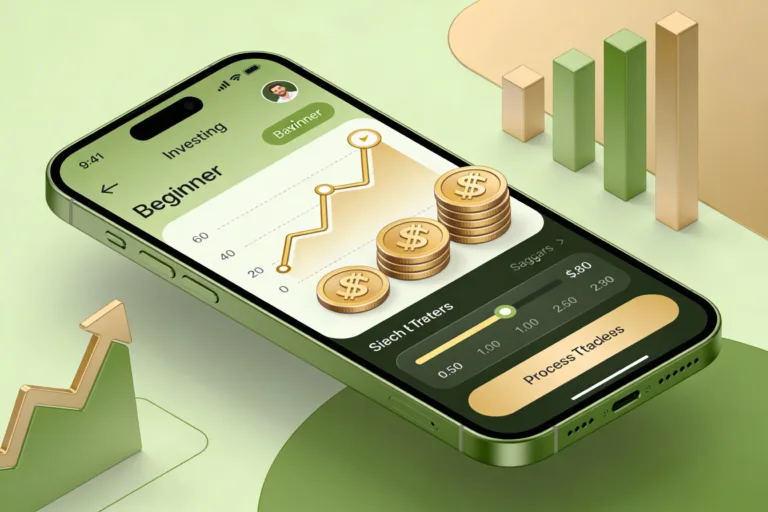
– Robo-advisors can automate investments at a low cost, good for beginners.
– A fiduciary mindset matters: choose people who are legally obligated to put your interests first.
If you’re curious, ask blunt questions: “What are your fees, and how do you get paid?” Better answers lead to better decisions.
FAQ
Is investing always risky?
Riskiest thing is not investing at all. Every investment carries some risk, but you can manage it with diversification, time, and a clear plan. The goal is to stay invested long enough to weather the storms.
How much should I start investing with?
Start with what you can afford without sacrificing essential expenses or emergency savings. Even a small, regular amount compounds over time. The key is consistency, not the size of the first check.
Do I need to pick individual stocks to get ahead?
Not necessarily. For most people, broad-market index funds or ETFs beat the odds and keep costs low. If you love researching businesses and have a knack for it, a small, thoughtful sleeve of individual stocks can be a hobby—just don’t let it derail your plan.
What about taxes—should I worry about them now?
Yes, but don’t let tax planning derail your investing. Use tax-advantaged accounts where available (like retirement accounts). In the long run, simple, tax-efficient ETFs in taxable accounts keep things straightforward.
How long before I see meaningful results?
Most people start to notice meaningful growth after several years of steady contributions and compounding. If you’re under 30, you’re playing a long game with a big advantage. If you’re older, focus on time horizons, risk tolerance, and staying consistent.
Conclusion
Building wealth slowly through investing isn’t about one heroic move or a secret tip. It’s about clear goals, sane frameworks, steady automation, and a willingness to stay the course through the bumps. Yes, it requires patience and discipline, but it also rewards you with a bank account that doesn’t scream drama every month.
So, are you ready to start your slow-and-steady journey? Gather your numbers, set up automatic contributions, and pick a simple plan you actually enjoy following. FYI, the best time to start was yesterday; the second-best time is today. Let’s do this.