Best Debt Payoff Printables for Beginners: Simple Wins
Starting debt payoff can feel overwhelming, but tiny steps beat big leaps any day. Printable tools make it feel like you’ve got a plan you can actually touch. Let’s dive into the best debt payoff printables for beginners and how to use them without turning into a spreadsheet zombie.
Why printables actually help (and why you should care)
Printables turn a cloud of numbers into something you can physically track. When you can dot, check, and color-code, motivation climbs. FYI, a well-used printable can shave weeks off the drift between intention and action. Do you want a lightweight system that fits in your bag or a bigger, wall-mounted setup? There’s a printable for every vibe.
Starter pack: the simplest debt payoff printables to grab
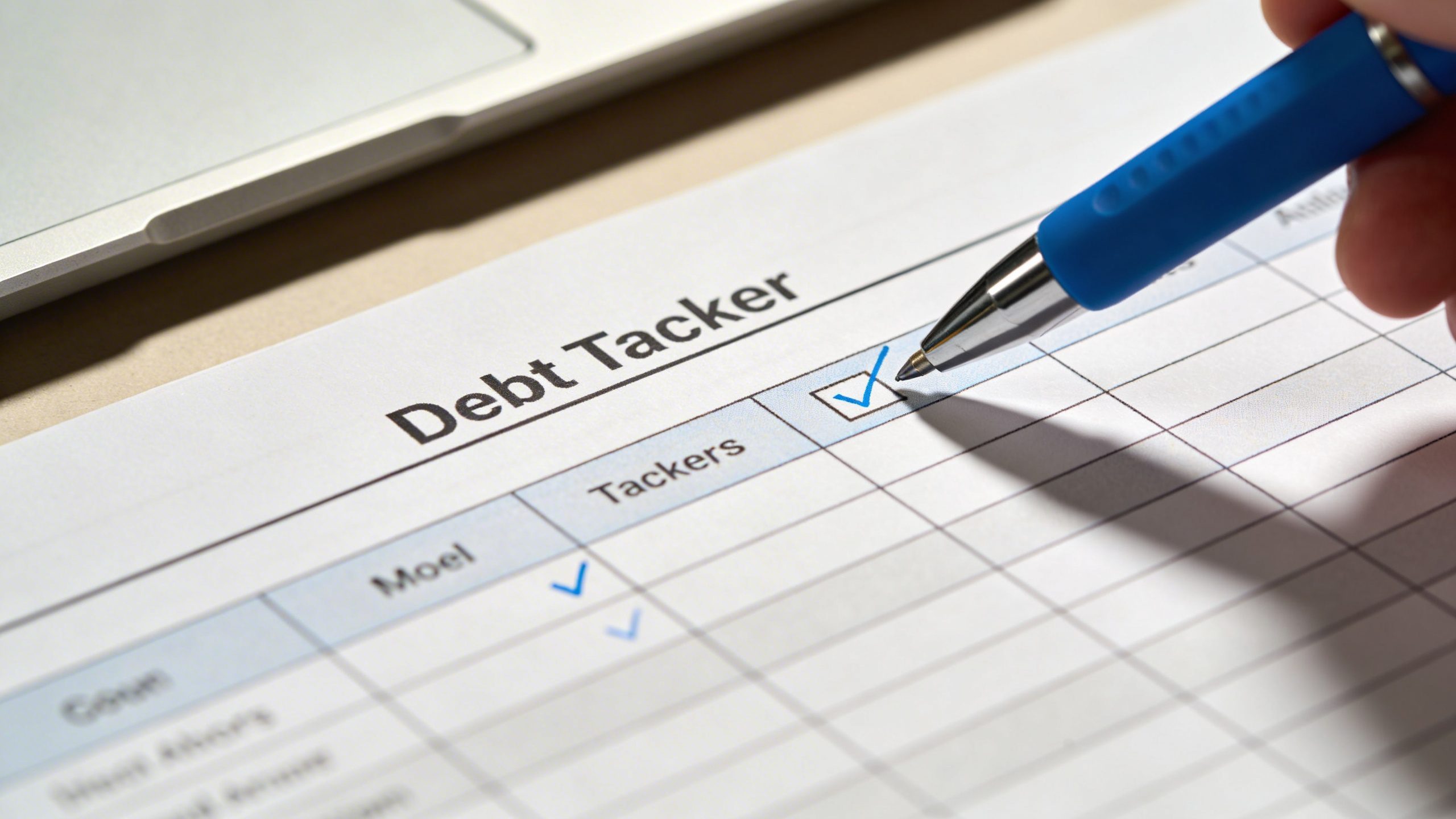
If you’re just starting, keep it simple. Here are the non-negotiables.
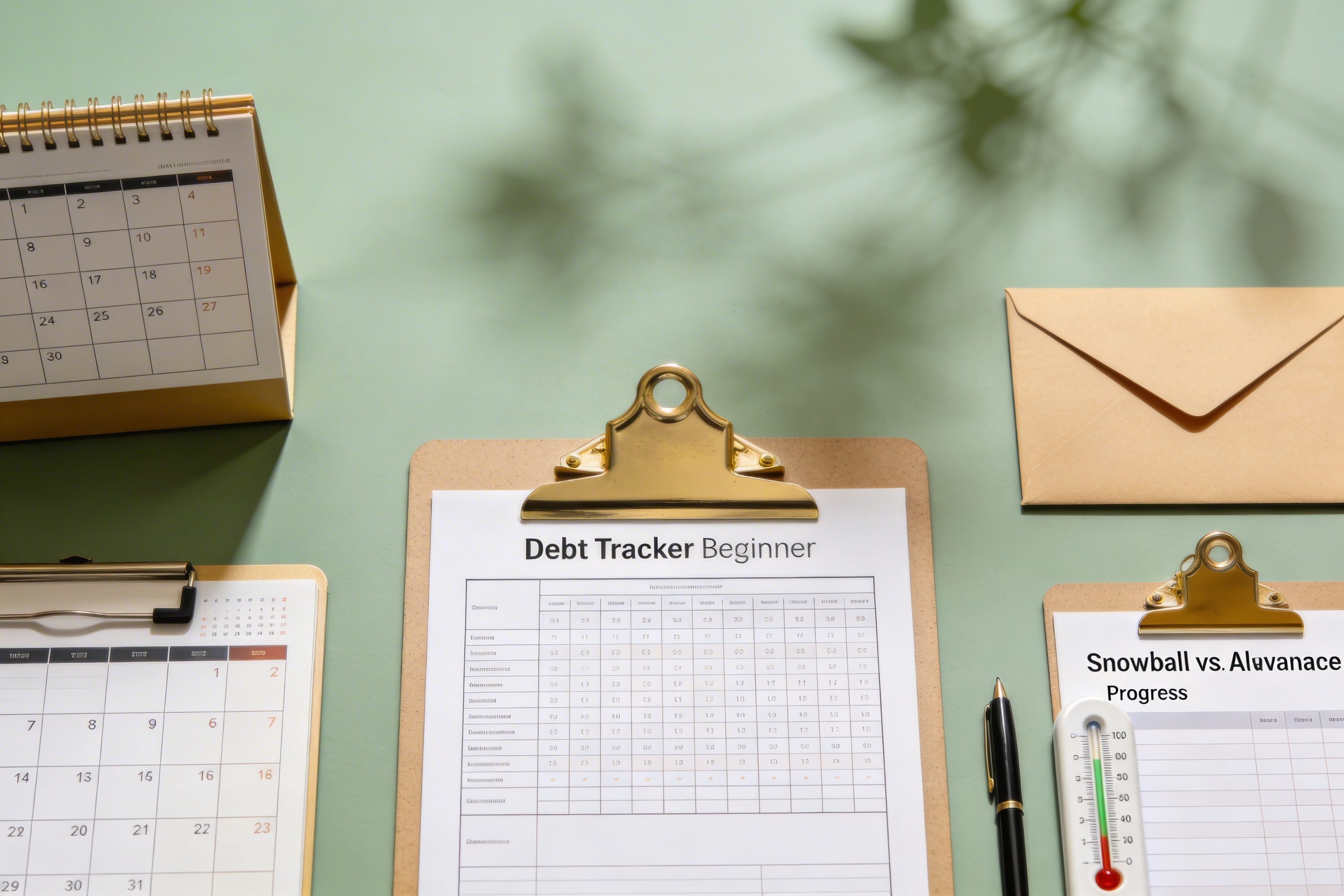
- Debt tracker sheet: List all debts with balances, interest rates, and minimum payments.
- Payment calendar: A monthly view to schedule payments and see gaps.
- Snowball vs. avalanche planner: A tiny decision aid to choose a payoff method.
- Progress thermometer: A visual gauge for your momentum.
What’s the difference between snowball and avalanche? Snowball pays smallest balances first for quick wins. Avalanche targets the highest interest first to save money long-term. You’ll pick whichever keeps you motivated—no judgment here, just results.
Tracking debt with a classic debt snowball printable
If you crave quick wins, the snowball method is your pal. The printable version makes it easy to see tiny silhouettes of debt disappearing.
Snowball-friendly layout
– List debts from smallest balance to largest.
– Note the monthly payment you’ll apply to each once the smallest is paid off.
– Circle or color the debt as it’s eliminated. It’s oddly satisfying.
How to use it in practice
1. Gather all statements.
2. Enter balances, minimum payments, and interest rates.
3. Decide a monthly payment amount beyond minimums.
4. Attack the smallest first, then roll that payment into the next debt.
Want a quick boost? Try a one-time “bonus” payment to the smallest debt this month—watch the momentum grow.
Avalanche approach on a laminated budget sheet

If you’re more math-minded, the avalanche method is a money-saver long-term. Printables for this approach emphasize interest rates and payoff timelines.
What you’ll see on the printable
– Debts listed with interest rates clearly visible.
– A dedicated column for “extra payment” amounts.
– A payoff timeline that shows when you’ll be debt-free if you stick to the plan.
Tips to maximize it
– Target the highest APR debt first, but only if it keeps you consistent.
– Recalculate monthly if your income changes.
– If a debt lowers its rate or you refinance, update the plan—don’t wing it.
Visual motivation: progress trackers and dashboards
Let’s face it, seeing progress matters. A good progress tracker doesn’t just look nice; it fuels discipline.
Progress thermometer: how to read it
– Each paid debt adds a “degree” toward paid-off status.
– Use bold colors for new milestones.
– Set mini-goals (e.g., pay off one debt by month’s end) to keep it spicy.
Dashboard ideas you can print and pin
– Monthly overview: total balance, total minimums, and extra payments.
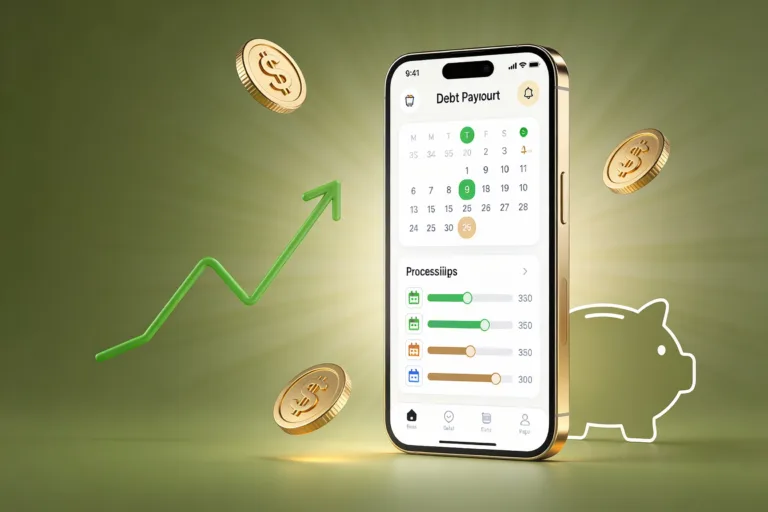
– Debt-by-debt breakdown: color-coded bars for progress.
– “Next big move” spot: what to pay extra this month to stay on track.
Cash flow and repayment calendars

A calendar helps you see when money actually moves, not just when you hope it does.
- Payment calendar: Mark every due date and payment amount. If you’re paid weekly, use a two-week sprint to schedule.
- Income-to-expense plan: Block out your essential expenses first, then allocate the rest to debt payments.
- Buffer section: A small cushion helps you avoid derailing due to a surprise bill.
Practical usage tips
– Schedule “payment days” in advance, then commit like it’s a date with your future self.
– If a due date lands on a weekend, plan a prepayment. Banks tolerate a day or two, but you don’t want to risk late fees.
– Track not just dollars but also your mood. If a week feels rough, scale back the extra payments temporarily rather than stopping completely.
If you’re juggling multiple cards: debt consolidation printables
Consolidation can simplify payments, but it’s not a cure-all. Printables here help you compare options and stay informed.
Consolidation comparison sheet
– List all prospective loan terms side by side: interest rate, monthly payment, term, annual percentage rate, and fees.
– Create a “confidence score” column based on how sure you are you’ll stick to it.
– Include a trigger plan: what you’ll do if the new plan worsens your situation.
What to watch out for
– Fees and penalties: some loans hide costs in small print.
– The true rate after fees can surprise you.
– Don’t consolidate to avoid budgeting—that defeats the point. Consolidation should simplify, not stall you.
Optional but awesome: habit trackers and weekly check-ins
Debt payoff is a marathon, not a sprint. A tiny weekly ritual keeps you honest.
- Habit tracker: Mark nightly or weekly steps—budget review, payments made, track new balances.
- Weekly check-in: 5-minute review of what worked, what didn’t, and where you need to adjust.
How to stay consistent
– Set a recurring reminder for your weekly check-in.
– Celebrate small wins; you earned it.
– If a week goes sideways, don’t panic—adjust the plan, not your goal.
FAQ
What is the simplest debt payoff printable I can start with?
A basic debt tracker plus a payment calendar is enough to begin. List every debt, minimum payments, and your target extra payment. Then block out a monthly calendar with due dates and track progress by color-coding paid amounts.
Do printables really help more than a spreadsheet app?
Printables turn numbers into something tangible you can touch and pin up. They’re fast to glance at, hard to ignore, and you don’t need device power or wifi to use them. IMO, they’re less intimidating than staring at a giant spreadsheet.
How often should I update these printables?
Aim for weekly updates. A quick momentum check-in each Sunday or payday works well. If your income changes, bump the extra payment amount as soon as you can.
Can I customize printables for my situation?
Absolutely. Most printables are designed to be flexible: you can add columns for due dates, notes, or different repayment strategies. Personalization keeps you engaged and accountable.
What if I fall off track?
Don’t panic. Revisit your plan, cut non-essentials, and adjust payments to a sustainable level. Remember, consistency beats perfection. You’ve got this.
Conclusion
Printables aren’t magic, but they’re mighty when it comes to turning debt payoff from a scary idea into a real, doable plan. With a simple starter pack, a few targeted trackers, and a dash of daily or weekly momentum, you’ll see progress faster than you expect. FYI, the payoff isn’t instant, but the wake-up call you get from seeing your balances fall is worth it. Start small, stay consistent, and let every colored box be a tiny celebration of progress.