

How to Plan Money for Travel Goals: Smart Steps to Start Today
As soon as you map out a travel dream, money starts talking loudest. If you wait for the perfect jackpot, you’ll still be stuck planning the plan instead of traveling. Let’s get practical, punchy, and a little playful about turning wanderlust into a wallet-friendly reality.
Why Most Travel Budgets Fail Before Takeoff
We all know the vibe: big dreams, tiny deposits, plenty of excuses. The secret isn’t cutting coupons to death or refusing to eat out ever again. It’s about creating a plan that actually fits your life, not a fantasy version of it. FYI, small, consistent steps beat heroic but sporadic efforts any day.
Define Your Real Travel Goal (And What It Really Costs)
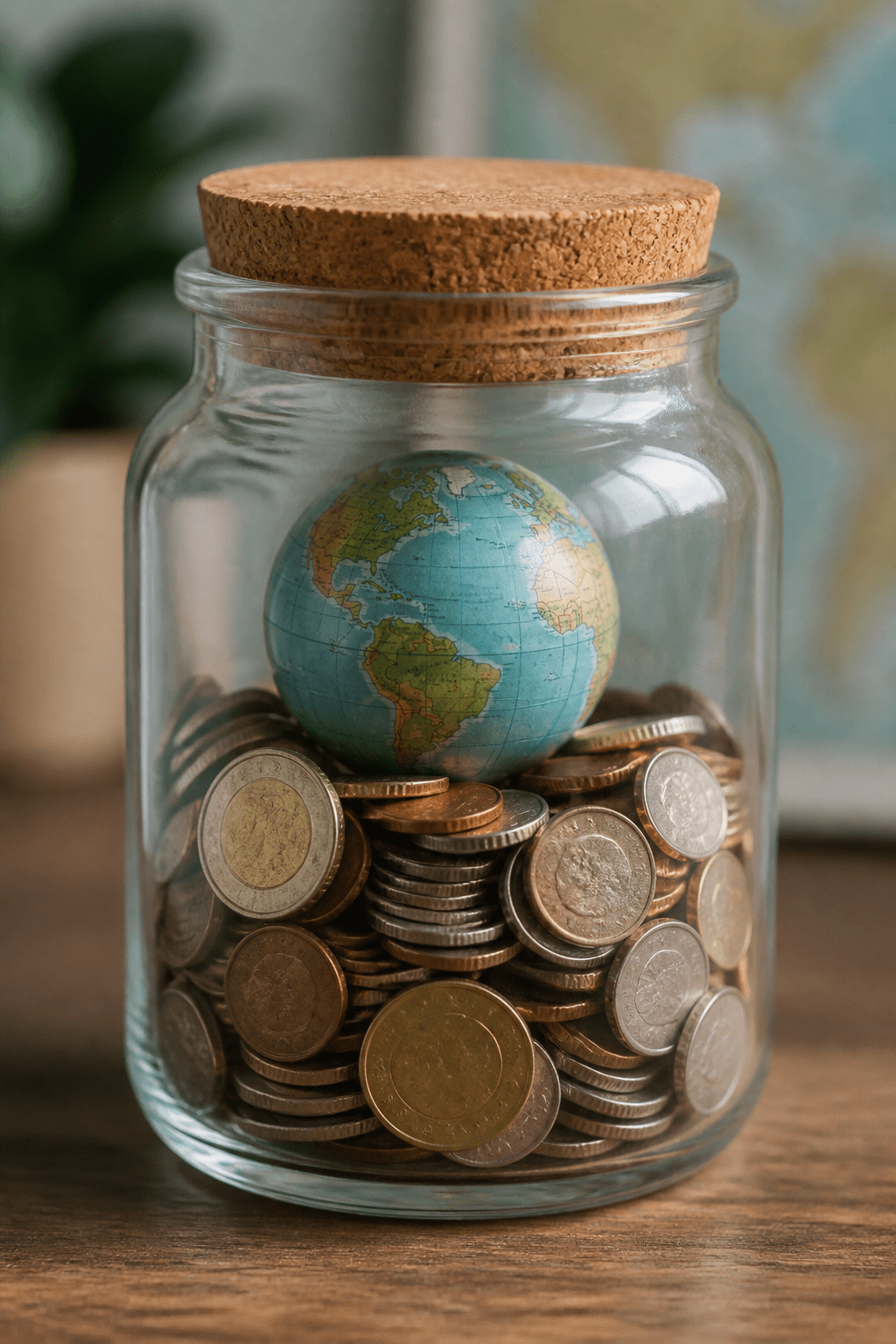
If you don’t know where you’re headed, you’ll wander in circles. Start with a concrete goal.
- Destination and dates: where, when, for how long?
- Estimated budget: flights, lodging, food, activities, backups.
- Emergency cushion: always include a safety net (3–6 months of expenses, or at least a buffer for the trip).
Break It Down by Category
Turn the big number into bite-sized pieces so it doesn’t feel crazy.
- Flights: look at fare alerts and flexible dates.
- Acommodation: hostels, mid-range hotels, or a longer stay in an apartment?
- Daily expenses: food, local transit, activities.
- Buffer: medical, changes in plans, or a weather hiccup season.
Build a Realistic Savings Plan (Without Losing Your Mind)
Saving money for travel isn’t about misery; it’s about consistency and clever tweaks.
- Set a clear target: “I want to save $2,000 in 6 months.”
- Automate it: a small transfer the moment your paycheck hits helps you forget it exists.
- Sync with your current spending: what can you trim without crying on the other side?
Smart Tweaks That Add Up Fast
Try these, then pick what sticks.
- Cancel one unused subscription and funnel the money there.
- Cook at home three extra nights per week; your wallet will thank you.
- Sell stuff you don’t need on the side—clothes, gadgets, or that gym membership you never actually use.
- Unsubscribe from daily impulse buys online. If you’re not seeing it, you’re less likely to want it.
Turn Your Goals into a Travel Fund (With a Fun Twist)

A dedicated fund feels a lot less abstract than “I’ll save someday.”
- Name it something fun: “Operation Margarita in Madrid” or “Passport, Please!”
- Label the account clearly: “Travel Fund – Do Not Touch.” Visual progress helps.
- Use a separate card or account: keep your trip money away from everyday vibes.
Hybrid Saving: The Best of Both Worlds
Combine slow-and-steady with occasional boosts.
- Round-up apps: every purchase saves the change automatically.
- Seasonal windfalls: tax refunds, bonuses, or selling holiday decorations you never use.
- Extra income: freelancing, pet-sitting, or a micro side gig that fits your schedule.
Cut Costs Without Cutting Experiences
Travel often costs less than we fear, if we play smart.
- Travel off-peak or shoulder seasons to save on flights and lodging.
- Use points and miles strategically: mix and match with affordable options like hostels or local stays.
- Embrace local meals and markets over tourist traps—delicious and cheaper.
Smart Booking Habits
A few predictable habits pay off.
- Book flights midweek for better fares.
- Set fare alerts and time your purchases (24–48 hours can reveal price drops).
- Consider alternative airports if it saves a chunk of money.
Make a Travel Plan That Sticks (No Drama)**

You don’t need a rigid masterpiece; you need a flexible backbone.
- Create a rough day-by-day skeleton, then leave space for spontaneity.
- Prioritize experiences, not stuff: what will you regret not doing?
- Review and adjust every month. If a target feels off, tweak it—don’t abandon it.
Priorities That Drive Decisions
Clear priorities prevent “shiny object” fatigue.
- What’s your one must-do experience?
- What’s your non-negotiable budget item (transport, food, or a special activity)?
- What would you skip if a big deal came up? Decide in advance.
Stay Motivated with Small Wins
Momentum matters. Tiny victories stack into big trips.
- Celebrate milestones: every $200 saved is a little victory dance.
- Share progress with a friend and make them your accountability buddy.
- Visuals help: keep a photo board or a checklist you can physically check off.
Visualizing Your Trip
Make it tangible.
- Create a mood board with photos, maps, and wishlist experiences.
- Track distance: not physically, but with your savings progress toward the goal.
FAQ
How much money do I actually need for a typical 2-week trip?
Money varies a lot by destination and style, but a practical approach is to estimate all major costs first: flights, lodging, food, local transport, activities, and a cushion. Then add 10–20% for safety. If you want a ballpark, pick a destination and use a rough daily cost plus flight estimates to get a target. IMO, set a cushion and a buffer for flexibility.
Is it better to save longer for one big trip or multiple shorter trips?
Both work. One big trip builds a single memorable experience, often letting you stretch a budget more efficiently. Multiple shorter trips keep you motivated with frequent wins and can be easier to squeeze into a busy year. FYI, you can combine both: plan a main trip with micro-trips sprinkled in when possible.
Should I use credit cards or cash for travel savings?
Use a dedicated savings account first to avoid debt. Cards can help with rewards, but don’t let credit tempt you to overspend. If you’re disciplined, you can funnel rewards into the travel fund, but keep the cash reserve intact. Your future self will thank you.
What if I’m starting from zero and have debt?
Prioritize essentials: cover minimums on high-interest debt first, then build a small emergency fund. Once debt is under control, allocate a fixed amount monthly to travel savings. Small, steady progress beats no progress.
How do I stay motivated when life gets expensive or unpredictable?
Reserve a flexible travel window. If life throws you a curveball, you can shift dates or destinations rather than abandoning the plan. Keep a lightweight fallback option and remind yourself of the why—your future adventures.
Conclusion
So there you have it: a practical, friendly blueprint to turn travel dreams into a funded plan you can actually follow. Define a real goal, build a clean savings rhythm, trim costs without turning life into a punishment, and keep the momentum with small wins. If you stay curious and flexible, you’ll be booking that trip sooner than you think. Ready to start that travel fund? IMO, the first step is always the smallest one—set up a dedicated account and make that transfer happen today. FYI, you’ve got this.