
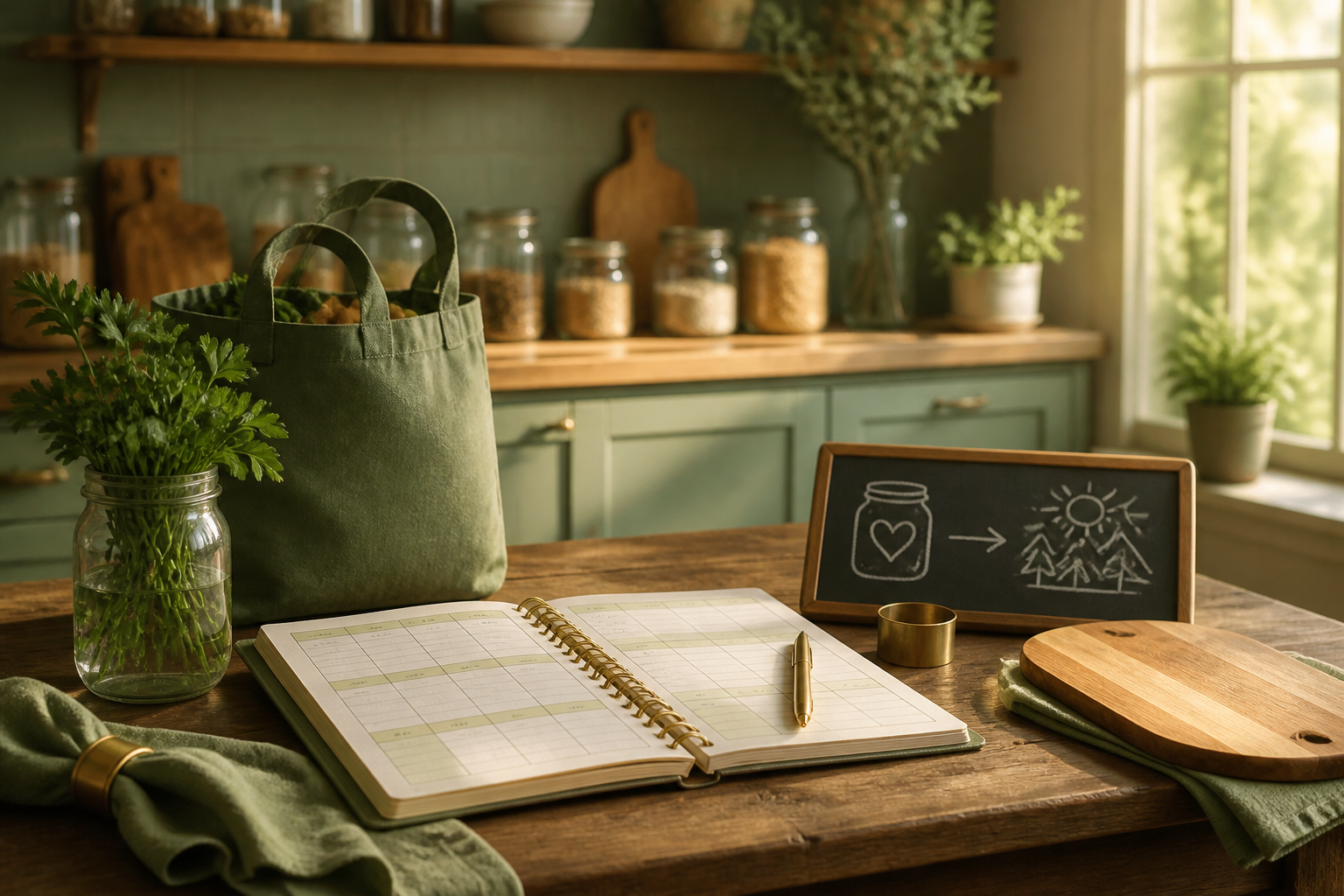
Frugal Living Tips for Simple Living: Tiny Wins
We all need to cut a little fat from our finances, but frugal living isn’t about deprivation—it’s about smart choices that leave room for what actually matters. Think of it as remixing your life to stretch every dollar without turning into a penny-pinching hermit. FYI, you can still enjoy the good stuff—just with better planning and a dash of creativity.
Start with the Mindset Shift: Intentional Frugality
Frugality isn’t a recipe for misery; it’s a mindset you adopt, a simple switch from “I want it now” to “Do I really want it or do I just want the feeling it gives me?” Here’s the trick: treat money like a garden. Water the things that yield joy and prune the rest.
– Ask yourself: Will this purchase spark lasting happiness or just a temporary buzz?
– Track your spending for 30 days to spot recurring drains. You’ll be surprised how much sneaks through the cracks.
– Set a “fun fund”—a small, dedicated pot of cash for small pleasures so you don’t guilt-trip yourself into every treat.
Smart Grocery Habits: Save While You Still Eat Well

Food is where many people leak money, but it’s also where you can gain control without turning into a rabbit. Simple shifts add up fast.
– Plan meals around pantry staples and weekly sales. Create a two-week rotating menu to cut decision fatigue.
– Buy in bulk for non-perishables and freeze extras for later. Yes, you’ll actually use it if you freeze properly.
– Lean into meal-prep: batch-cook on Sundays, portion out lunches, and avoid the 3pm vending machine disaster.
Smart Substitutions that Still Feel Gourmet
– Swap pricey ingredients for versatile alternates: canned tomatoes, lentils, oats, and eggs can stretch a lot of meals.
– Use herbs from a small window box or a compact herb garden. Fresh flavor without the premium tag.
Housing and Bills: Trim Without Moving to a Cabin
Your living space should support your life, not drain it. Small tweaks can dramatically shrink monthly outflows.
– Lower energy bills by simple habits: switch to LEDs, unplug idle electronics, and run full loads of laundry and dishes.
– Reevaluate insurance and utilities annually. A quick call can shave a few bucks if you’ve got a clean driving record or a newly renovated home.
– Consider roommates or renting out a spare room if your situation allows. It’s not forever, but it can be effective for a season.
Wardrobe on a Budget: Style Without Sacrifice
Clothes are notorious money pits, yet you can look great without bloodhound-level shopping.
– Embrace quality basics in neutral colors that mix and match easily.
– Shop off-season and thrift stores for gems with personality. FYI, you can snag nearly-new pieces that still have that “new clothes” vibe.
– Learn a few quick tailoring tricks. A simple hem or adjusted sleeve can revive a tired item.
Entertainment and Social Life: Fun That Fits Your Wallet
Frugality doesn’t mean boring weekends. It just means smarter, cheaper fun that still scratches the itch.
– Lean into free or low-cost activities: community events, parks, libraries, and local clubs.
– Dine-in experiences or potlucks beat pricey dining out. You’ll save money and actually catch up with friends.
– Create a no-spend weekend every now and then. It’s surprisingly refreshing and oddly empowering.
Productivity and Personal Finance Habits

Your brain loves routines, and routines love savings. Build small habits that compound over time.
– Use a simple budget tracker and set one realistic auto-transfer to savings each paycheck. It’s like paying your future self.
– Automate bills to avoid late fees—then celebrate when you stay under budget for a month.
– Do a quarterly “cleanout” of apps, subscriptions, and memberships. If you forgot you had it, you don’t need it.
DIY, Repairs, and the Joy of Not Replacing Everything
– Learn basic home, car, and tech repairs. YouTube is your friend, and so is a local library for how-to guides.
– Try the “one-in, one-out” rule for possessions to curb clutter and unnecessary purchases.
Travel and Experiences: See the World Without Emptying Wallet
Travel can be frugal if you plan smartly and choose experiences over stuff.
– Be flexible with dates and destinations to grab cheap flights and accommodations.
– Use travel rewards and loyalty programs, but don’t chase points to the point of debt.
– Consider staying with friends, house-sitting, or opting for longer stays in cheaper areas to reduce daily costs.
Subsection: Mindful Shopping Techniques
- Set a shopping rule: only buy if it will replace something you already own or fill a real need.
- Give yourself a cooling-off period for non-essential items. If you still want it after a week, you’ve earned it—maybe.
- Use price tracking tools and coupons, but don’t let them turn you into a hoarder of discounts.
FAQ
Is frugal living really sustainable for a busy person?
Yes. It’s about efficient choices that save time and money, not martyrdom. Start with one habit you can maintain without drama, like a weekly meal plan or automatic savings. FYI, consistency beats intensity every time.
What if I crave brand-name products and premium experiences?
You don’t have to renounce them completely. Try a mixed approach: enjoying premium items occasionally while leaning on smarter purchases most of the time. Look for sales, coupons, or smaller package options. IMO, the goal is balance, not deprivation.
How do I stay motivated to keep frugal habits long-term?
Celebrate small wins, track progress, and buddy up with a friend who’s on the same journey. Use a simple dashboard to see savings grow and reward yourself with a fun, low-cost treat when you hit milestones.
Can frugality hurt my social life?
It doesn’t have to. Prioritize low-cost social activities and opt for shared experiences rather than expensive outings. You’ll often find deeper connections in cheaper, more intentional gatherings. Just don’t ghost your friends over a budget—communication helps.
What if I need some extra income to supercharge savings?
Consider freelance gigs, side hustles, or renting out a space. Passive income helps, but keep it sustainable and aligned with your lifestyle. Start small, scale gradually, and avoid overcommitting.
Conclusion
Frugal living isn’t about pinching pennies until they squeal. It’s about making deliberate choices that free up space for what you actually want—time, experiences, and a bit more peace of mind. Start with one tweak you can sustain, and build from there. FYI, the goal isn’t perfection; it’s progress. If you treat money as a tool, you’ll discover you have more control than you thought possible. Now go, try a small experiment this week—maybe meal-prep on Sunday or a no-spend Friday—and see how it feels. You’ve got this.