
How to Live Frugally and Save Automatically Without Sacrifice
I know the feeling: you want to live well, save more, and not feel like you’re budgeting with a calculator glued to your forearm. The fix isn’t misery; it’s automation plus a few smart habits. Let’s talk about how to live frugally and make money disappear into a savings vault without turning life into a beige spreadsheet.
Set the vibe: why frugality can feel free, not fraught
Who says frugality has to mean deprivation? The goal is to spend on what actually matters to you, and skip the stuff that doesn’t. When you cut waste, you win in two ways: you keep more of your hard-earned cash, and you strip away the “what if” anxiety that comes with debt or mean-spirited budgets. FYI, you can be practical and playful at the same time.
Automate your savings from day one
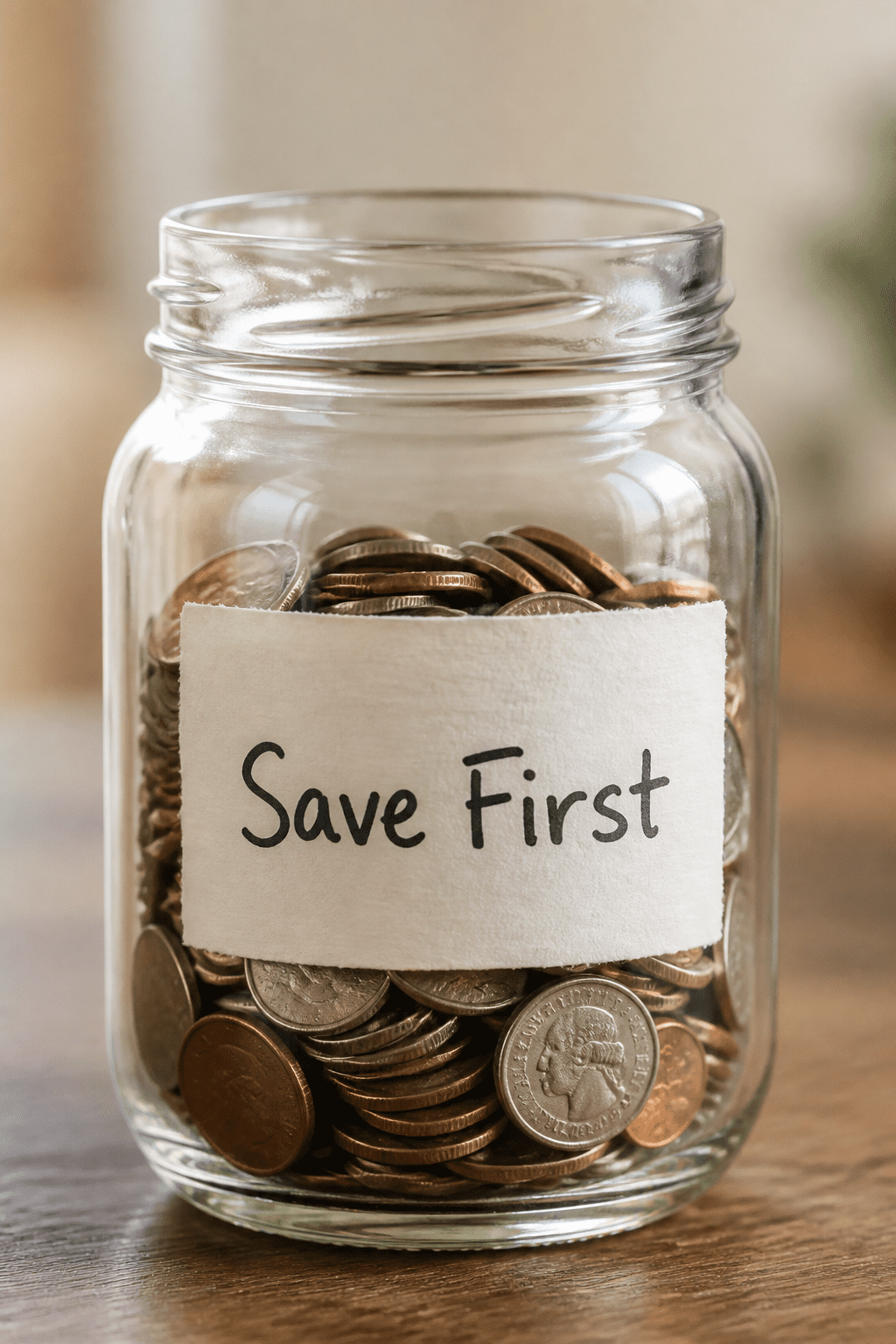
This is the big one. If you only save what’s left after spending, you’ll always be playing catch-up. Do it the other way: pay yourself first, automatically.
- Open a dedicated savings account with bones you actually like to see grow.
- Set up automatic transfers right after each payday. Start small if you must, then scale up as you notice the balance creep upward.
- Consider multi-account automation: one for short-term goals (emergency fund, vacation fund) and one for long-term goals (retirement, big purchases).
- Choose a percentage or fixed amount that’s sustainable. If you can swing 5-10% of each paycheck, you’re already ahead of many.
- Round-up tools are your friend. Some banks let you round purchases to the nearest dollar and funnel the difference into savings.
- Set a yearly automatic review. If you got a raise, push more into savings automatically.
IMHO, automation is the secret sauce. You get the win without the willpower marathon.
Smart, not stingy: practical frugality that sticks
Frugality should feel like a lifestyle upgrade, not a punishment. Here are digestible, actionable moves.
Shop with a mission, not a mood
– Make a list and stick to it. Shopping without a list is how I acquire three extra kitchen gadgets I swear I’ll use someday. Spoiler: you won’t.
– Compare prices, then buy for value, not vanity. A slightly cheaper product that lasts longer wins every time.
– Use a calendar for big purchases. If you can wait, you’ll often snag a sale or a better model.
Dial in housing costs without selling a kidney
– If you rent, negotiate. Landlords sometimes have wiggle room, especially if you’re a solid long-term tenant.
– If you own, refinance if it makes sense. A lower rate can save thousands over time.
– Cut energy waste: LED bulbs, smart thermostats, unplugging idle tech. Small changes, big payoff.
Food that fuels you, not your budget
– Plan meals around leftovers and what’s already in the fridge. Waste less, smile more.
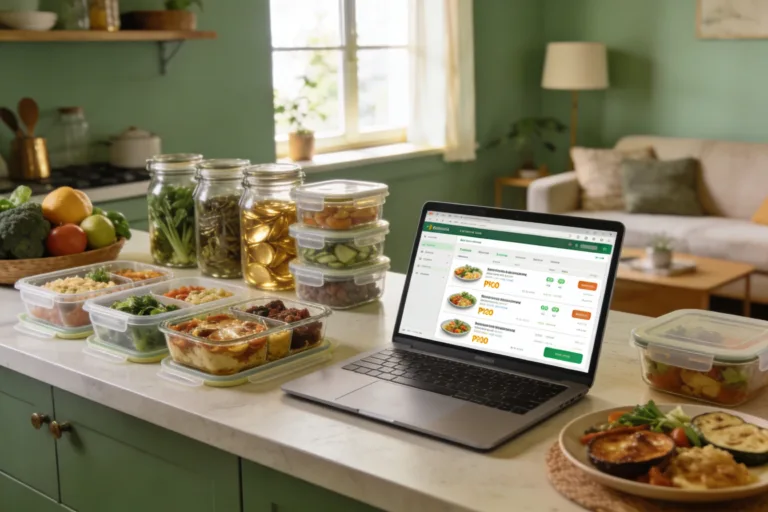
– Batch cook, then freeze. You’ll thank yourself on a busy day.
– DIY beats takeout for cost and control. FYI, yes, you can make fancy coffee at home and still enjoy it.
Cutting costs without feeling deprived: lifestyle tweaks

Frugality isn’t a full-body reset; it’s a few steady nudges.
Subscriptions: audit with a ruthless but kind eye
– List every recurring charge you barely notice. Do you actually use them? If not, cancel one-click and free up cash.
– Try a quarterly review. If you’re not using a service regularly, it’s not worth it.
Transport that saves time and money
– Carpool, bike, or transit where practical. Not only cheaper, but you get a mental break during the commute.
– If you need a car, adulting tip: compare total cost of ownership, not just monthly payment. Insurance, maintenance, and gas add up.
Make bank-sparkle: tools to automate and optimize
You don’t have to be a spreadsheet wizard to win. Use the right tools, and your money does the heavy lifting.
Automatic budgeting that doesn’t feel like a daily exam
– Try a simple envelope-like approach with digital categories: groceries, fun, essentials, save. Each purchase deducts from its category automatically.
– Use a budgeting app that syncs with your accounts and sends friendly alerts, not shaming reminders.
Credit used wisely: debt, cards, and interest traps
– If you carry balances, prioritize paying the highest-interest debt first. Snowball or avalanche methods both work—pick whichever keeps you motivated.
– Consider a 0% balance transfer card only if you’re confident you can pay it off before the promo ends. FYI, those intro rates aren’t permanent magic.
Mindset shifts: habits that keep you on track

Frugality lasts when it feels like you’re in control, not miserable.
- Treat saving like a bill. If you can’t see it, you won’t miss it when it’s gone.
- Celebrate small wins. Each time you hit a savings milestone, give yourself a tiny reward that doesn’t derail your plan.
- Stay curious. If a tactic isn’t working, tweak it, don’t abandon ship.
Deeper dives: extra strategies that pay off
Emergency fund first, not last
– Aim for 3-6 months of expenses. Start with a smaller target if that feels overwhelming, then expand.
– Keep this fund separate from your spending money so you don’t dip into it by habit.
Side hustle that aligns with your life
– If you have skills you enjoy, monetize them gently: freelancing, tutoring, or selling digital things you create.
– Use automated transfers to funnel a portion of side-income into savings. You’ll see progress without much extra stress.
FAQ
Is it really possible to save automatically without feeling deprived?
Yes. Automating savings means you’re paying your future self first, not chasing the end of the month. Start small, increase gradually, and pair automation with mindful choices in daily life.
What if I get paid irregularly?
Treat the smallest regular amount as your baseline. For irregular income, set a percentage that you can sustain, then catch up when the money flows in. Automate what you can when you can.
How do I resist impulse buys while staying flexible and sane?
Use a 24-hour rule for non-essential purchases. If you still want it after a day, it’s a signal you actually care about it. Add a cooling-off period and a one-click refund if possible.
What are beginner-friendly savings targets?
Start with an emergency fund of $500-$1,000, then push toward a full 3-6 months of expenses. After that, allocate funds toward retirement or specific goals like a vacation or down payment.
Can I automate my budget without a fancy app?
Absolutely. A simple approach is to set up automatic transfers to a savings account right after payday and use a basic spending plan. Apps help, but they aren’t mandatory.
Conclusion
Living frugally and saving automatically isn’t about pinching pennies till they squeal. It’s about creating space for the things you value, with less stress and more control. Automate the boring stuff, hack your everyday habits, and watch your savings grow without drama. If you’re feeling overwhelmed, start with one tiny automation today and build from there. You’ve got this.