How to Align Spending with Financial Goals and Grow Your Savings
You know that feeling when your budget actually feels controllable—and then you realize you’re not chasing money, you’re chasing goals? Let’s cut through the noise and get your spending lined up with what truly matters to you. No fluff, just practical steps you can actually stick to.
Start with the real goal: what are you saving for?
What are you aiming for besides “more money”? A vacation, a house, freedom to quit a job you don’t love, or peace of mind knowing you can handle surprises? Pin down 2–3 concrete goals and give them a time frame. This isn’t a fairy tale; it’s a map.
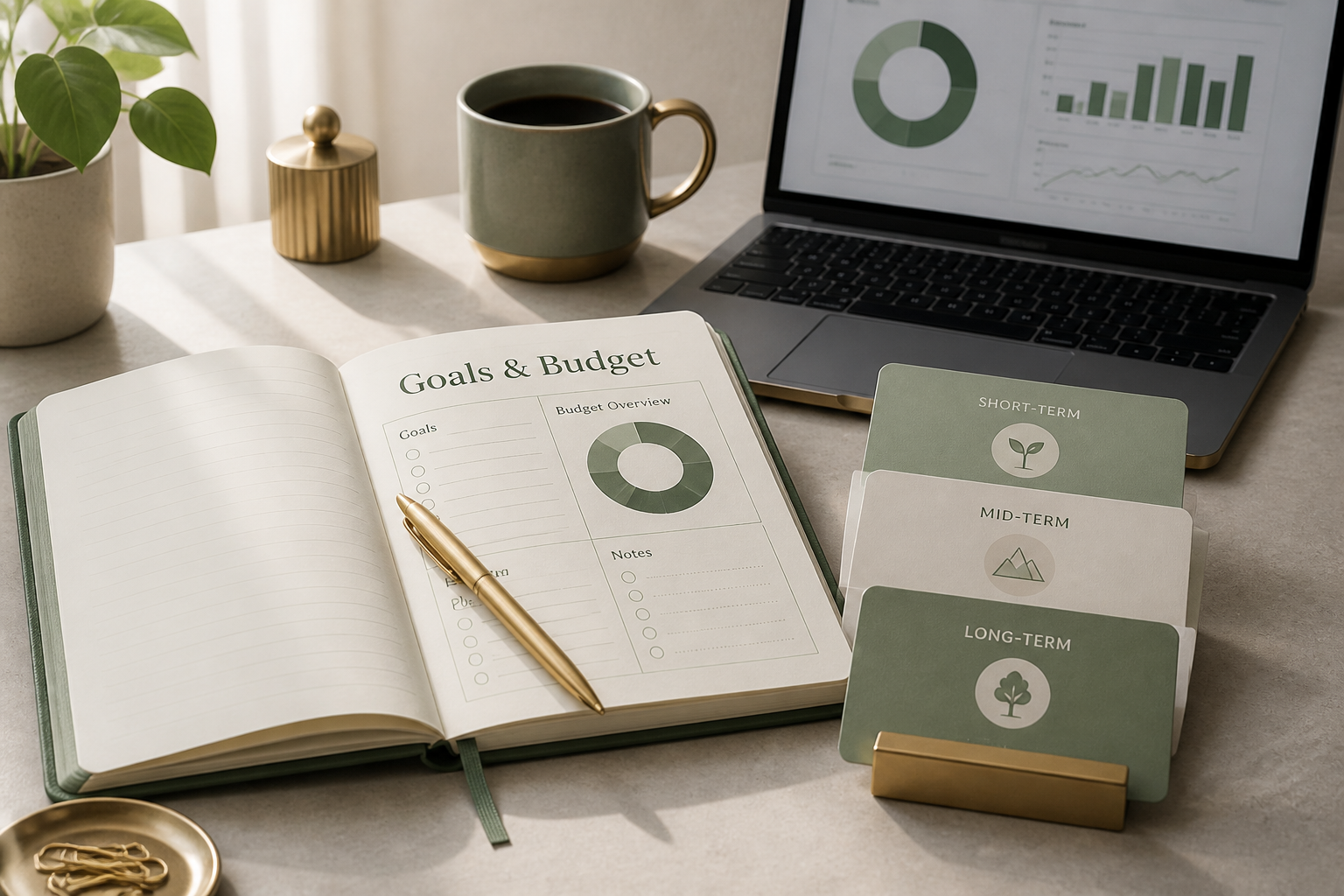
– Short-term goals (0–6 months): emergency fund top-ups, a small splurge fund, debt snowball starter.
– Mid-term goals (1–3 years): vacation, car, home repairs.
– Long-term goals (3+ years): down payment, retirement, building passive income.
Ask yourself: if you reach these goals, how will your day-to-day feel? If the answer is “less stress, more freedom,” you’ve found your north star. FYI, goals without a deadline are just dreams wearing sweatpants.
Audit your current spending like a detective

Ever done a spending audit? It’s less scary than it sounds. You’re not judging yourself; you’re learning your patterns so you can decide how to change them.
– Track for 2–4 weeks: every coffee, every subscription, every impulse
– Categorize: needs (rent, groceries, utilities) vs. wants (savory snacks, gadgets, binge subscriptions)
– Identify waste: small daily spends add up fast
Subsection: Quick-win edits
– Pause before purchases over a certain amount
– Cancel unused subscriptions
– Set a “cooling-off” period for big buys
The goal isn’t to sting yourself; it’s to reveal where your money is flowing and how to redirect it toward goals.
Turn goals into a spending plan you actually want to follow
A budget isn’t a prison sentence. It’s a framework that helps you say yes to the things that matter and no to the stuff that doesn’t.
– Allocate first: essentials, then debt payoff, then goals, then fun.
– Use percentages or a simple fixed plan: 50/30/20 is classic, but customize it.
– Create a “fun fund” that’s real money for experiences—so you don’t squeeze joy out of life.
Subsection: The “zero-based” budgeting vibe
What if every dollar has a job? Give each dollar a purpose before you spend it, so nothing sits around unused like a roommate who never pays rent.
Tools that make budgeting less painful
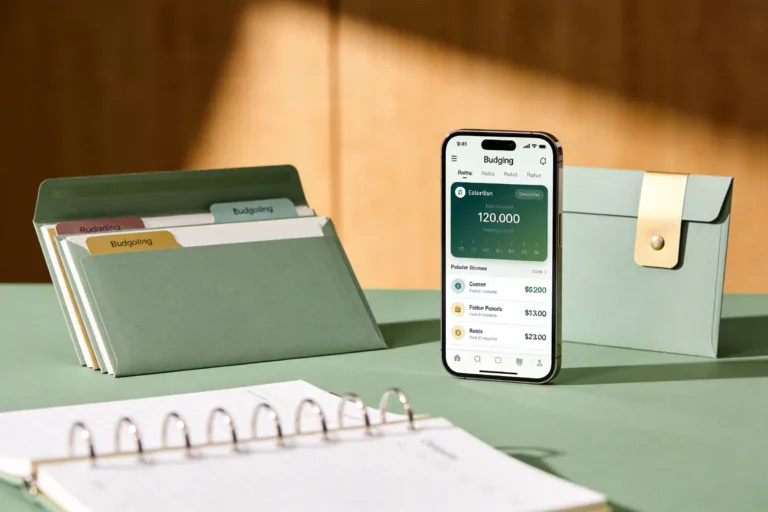
– Envelope method (digital or physical): fun for behavioral triggers
– Budgeting apps: lightweight, visual, and shareable with a partner
– Auto-transfers: commit to savings and goals without thinking
Remember: the goal is sustainability. If you hate your budget, you’ll abandon it. Make it friendly and forgiving.
Align spending with goals: the daily discipline

Now that you’ve got the framework, how do you actually live it every day?
– Automate what you can: bill payments, savings, and investment contributions
– Create a weekly “spend check-in”: 10 minutes to review, adjust, and celebrate small wins
– Plan for “fun” within the limits: a small indulgence shouldn’t derail progress
Subsection: The compensation cap trick
If you get a raise, don’t instantly upgrade your lifestyle. Cap the extra for savings or debt payoff, and let a portion of it fund a goal. It’s like giving yourself a raise without the guilt.
Prioritize debt payoff without killing your vibe
Debt can feel like a weight you can’t shake. You don’t have to hate your life to win.
– Pick a method: avalanche (highest interest first) or snowball (smallest balance first)
– Refinance if possible: lower interest, fewer payments
– Combine with savings: keep an emergency fund so you don’t derail goals when life happens
Subsection: The “one more payment” mindset
Make one additional payment per month that’s meaningful but doable. It compounds—literally, in your favor. You’ll thank yourself later when you see the balance shrink.
Build a safety net so you don’t sabotage your goals

Surprises will happen. A robust safety net keeps you from derailing your plans when life throws a curveball.
– Emergency fund target: 3–6 months of essential living costs
– Quick-access vs. long-term safety: keep a portion in a liquid account
– Insurance check-ins: review health, auto, home, and life coverage
Subsection: FYI on small but mighty cushions
Even a modest cushion reduces anxiety and prevents you from raiding your goals for every small emergency.
Make room for what matters: optimizing recurring costs
Recurring costs quietly chew through your budget. Tackle them head-on.
– Reevaluate housing: could roommates, relocation, or downsizing save money?
– Transportation tweaks: carpool, public transit, or a used car can slash costs
– Subscriptions audit: keep the ones you actually use
Subsection: The “worth it” test
Before you hit cancel, ask: does this recurring expense push me closer to my goals, or pull me away? If it’s neutral, it can stay. If it’s negative, it’s time to re-negotiate or drop.
FAQ
How long does it take to align spending with financial goals?
Everyone’s pace is different, but you can start seeing meaningful shifts in 4–8 weeks with consistent tracking, budgeting, and automation. The real payoff comes when your money starts doing the heavy lifting for you.
What if I have high-interest debt and little savings?
Start with a plan that tackles both. Use the avalanche method for debt to save interest, while maintaining a small emergency fund. Automate both processes so you don’t have to rely on willpower alone.
Can I still enjoy life while saving for goals?
Absolutely. Build a “fun fund” and a schedule for low-cost experiences. The trick is intentionality, not deprivation. IMO, joy bought today is motivation for tomorrow.
What’s a realistic emergency fund size for most people?
3–6 months of essential expenses is a solid range. If you’re self-employed or in a volatile job, lean toward the higher end. If you’re just starting out and have low fixed costs, aim for at least one month and grow from there.
Should I involve my partner or housemate in this plan?
Yes. Align on goals, create a shared budget, and keep communication open. Accountability helps, and you’ll likely enjoy a smoother ride with someone sharing the journey.
Conclusion
Aligning spending with your goals isn’t about turning into a robotic saver or sacrificing joy. It’s about crafting a clear map that turns your money into a tool for the life you want. Start with a crisp goal, audit what you’re actually spending, and set up a plan that automates progress. Celebrate the small wins, adjust as life changes, and keep your eyes on the bigger picture. You’ve got this—one intentional dollar at a time.