Weekly Budget Planner Printable for Beginners (Easy, Simple & Effective)
Let me be real with you for a second. I used to think budgeting meant giant spreadsheets, hours of math, and my brain slowly melting into a puddle. Then I discovered a weekly budget planner printable, and honestly, my relationship with money changed overnight 💸. Instead of feeling broke and confused, I suddenly felt in control, focused, and weirdly excited about tracking my dollars. Ever had that “aha” moment where money finally makes sense? Yeah, that’s exactly what this does.
I still remember printing my first planner on cheap printer paper, sitting at my kitchen table, and realizing I could actually see where my money went. No apps, no fancy software, just a simple sheet and a pen. Did it look perfect? Nope. Did it work? Absolutely. And that’s what matters.
If you feel overwhelmed by monthly budgets, sick of surprise overdrafts, or just curious about getting your finances together, this guide will walk you through everything. Trust me, your future self will thank you.
What exactly is a weekly budget planner printable?
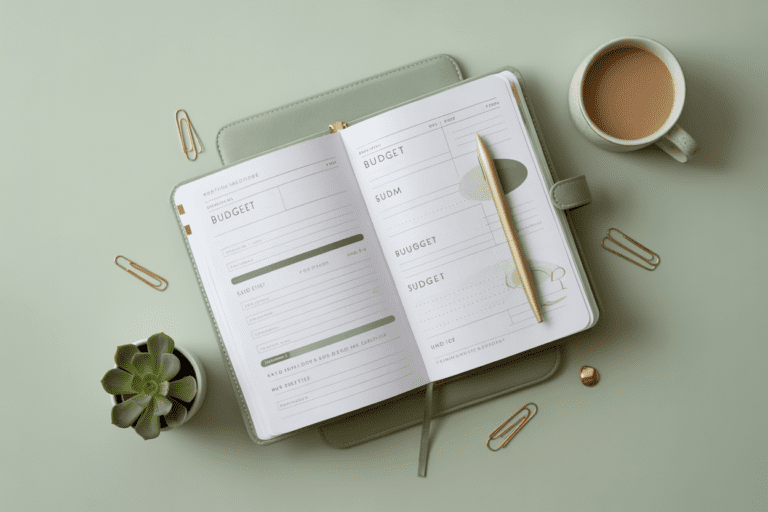
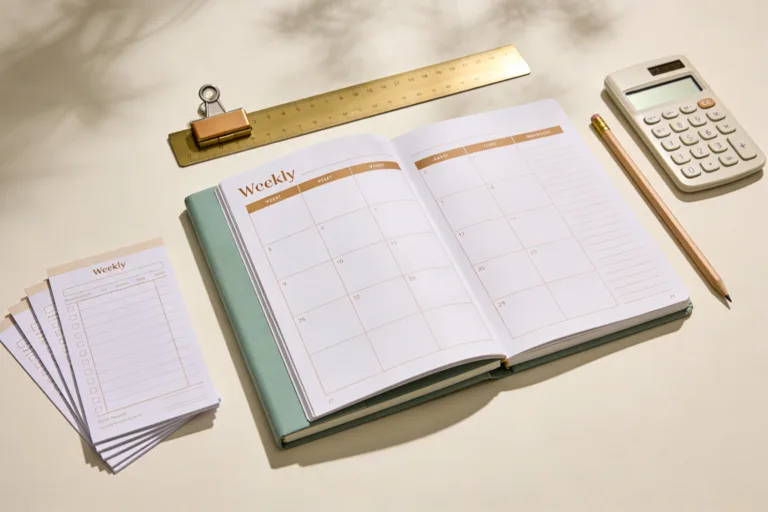
A weekly budget planner printable is a simple paper template that helps you track money week by week instead of month by month. You print it, fill it in by hand, and use it as your financial roadmap. No login, no password, no tech headaches.
Here’s why I love it so much. It breaks money down into bite-sized pieces that your brain can actually handle. Instead of staring at $2,000 for the month, you focus on $500 for the week. Much less scary, right?
Think of it like a mini financial check-in every Sunday. You sit down, sip coffee, and map out your spending. Ever tried doing that with a chaotic bank app? Exactly.
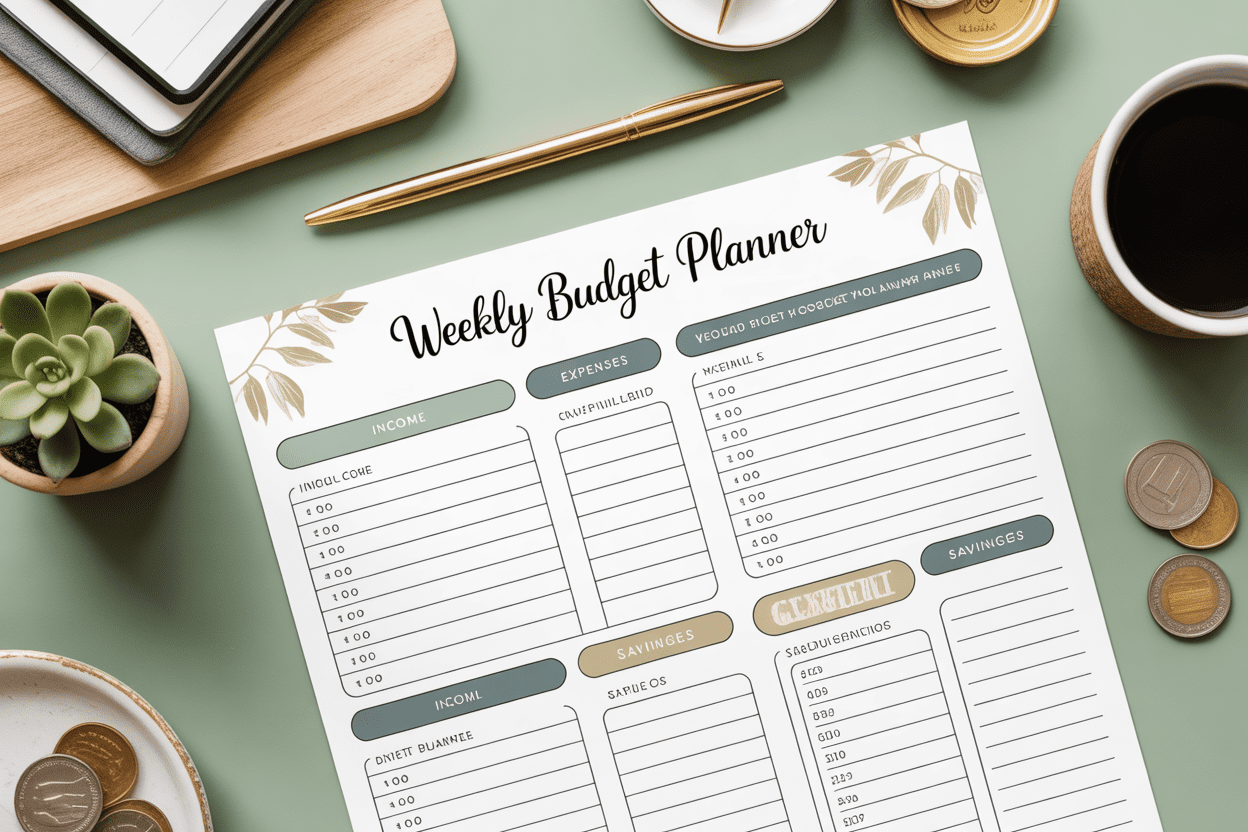
Most weekly planners include sections like:
- Income for the week
- Bills and fixed expenses
- Groceries and daily spending
- Savings goals
- Debt payments
- Leftover money
Simple, clean, and powerful.
Why weekly budgeting beats monthly budgeting
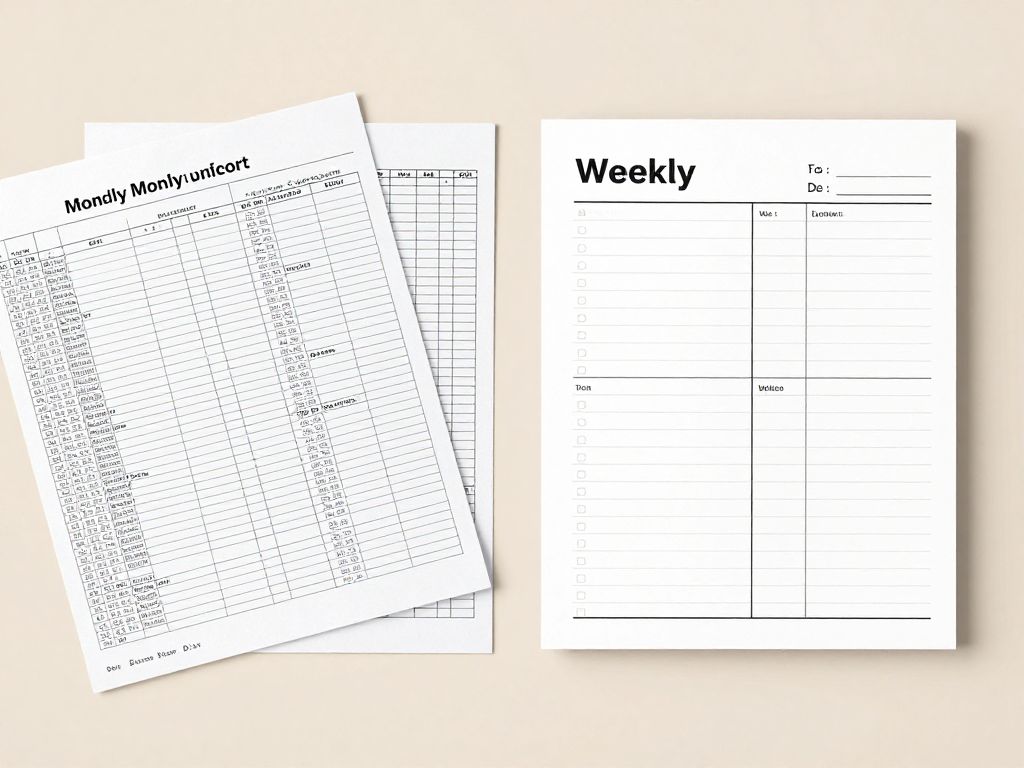
Let’s talk truth. Monthly budgets sound great in theory, but they often fail in real life. You make a plan on the 1st, forget about it by the 5th, and then panic on the 28th. Been there? Same.
With a weekly budget planner printable, you stay close to your money. You don’t wait 30 days to realize you overspent. You catch it in seven. That’s a huge win.
Here’s what weekly budgeting does better:
You stay consistent
You check your money every single week. That builds a habit fast. After a month, budgeting feels normal, not stressful.
You reduce money anxiety
Instead of dreading bills, you spread them across weeks. You see them coming and plan ahead. No more “oh no, rent hits tomorrow” panic.
You make smarter choices
When you see your weekly grocery total creeping toward $200, you think twice before adding snacks. Ever noticed how awareness changes behavior?
IMO, weekly budgeting feels like training wheels that actually help you ride smoothly.
How to use a weekly budget planner printable (step-by-step)

Let me walk you through how I actually use mine, no fluff, just real life.
Step 1: print your planner
Download or choose a weekly budget planner printable and print enough pages for the month. I usually print four or five at a time.
Step 2: write your income
At the top, write your expected income for the week. If you get paid biweekly, split it in half. Simple math, big clarity.
Step 3: list your expenses
Break your spending into categories like:
- Rent / utilities
- Groceries
- Transportation
- Fun money
- Savings
- Debt
Be honest here. Sugarcoating your spending won’t help your bank account.
Step 4: assign amounts
Give every dollar a job. Literally write down how much goes where. This is the heart of budgeting.
Step 5: track daily spending
Each day, jot down what you spend. Coffee, gas, snacks, Amazon impulse buys—you name it.
Step 6: review on Sunday
At the end of the week, review everything. Did you overspend? Underspend? Learn and adjust.
Ever felt proud of staying under budget? That feeling hits hard.
Must-have features in a good weekly budget planner printable
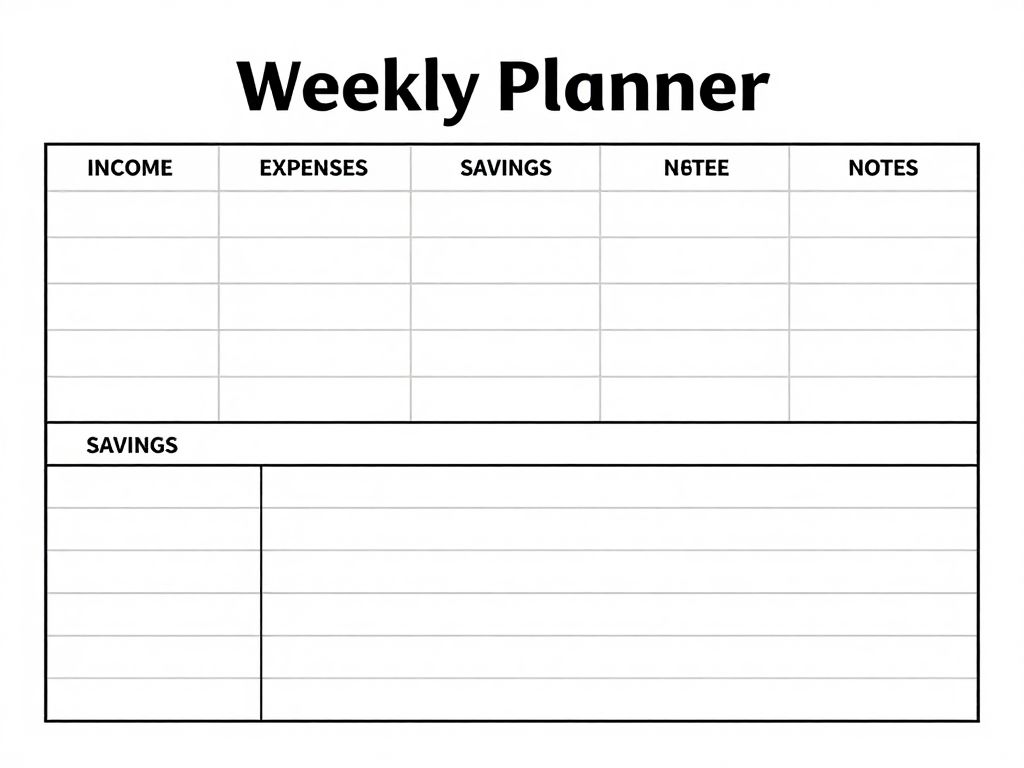
Not all planners are created equal, so here’s what you should look for.
Clear income section
You need a space to write exactly how much money you bring in. Clarity matters.
Spending categories
A good planner includes labeled categories so you don’t guess where money went.
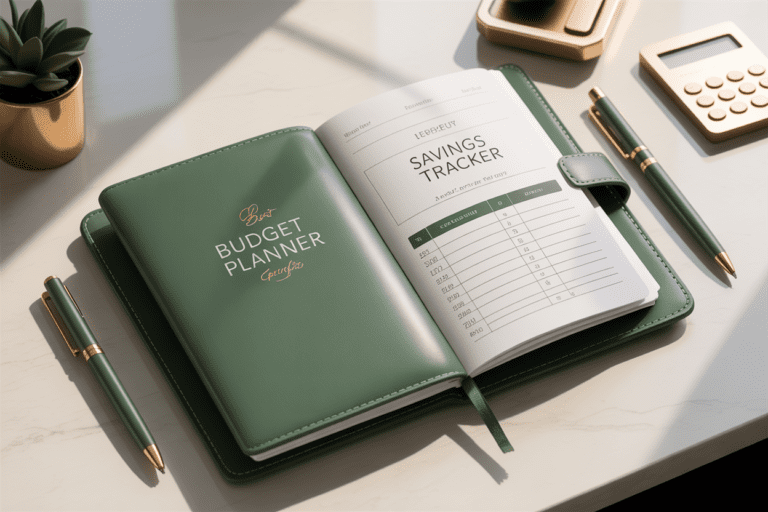
Savings tracker
This keeps your goals front and center. Whether you save for a vacation, emergency fund, or new laptop, you should see progress weekly.
Notes area
Life happens. You need space to explain weird expenses like “car repair = $350 😭”.
Simple layout
Fancy designs look cute, but they don’t always work. Function beats aesthetics.
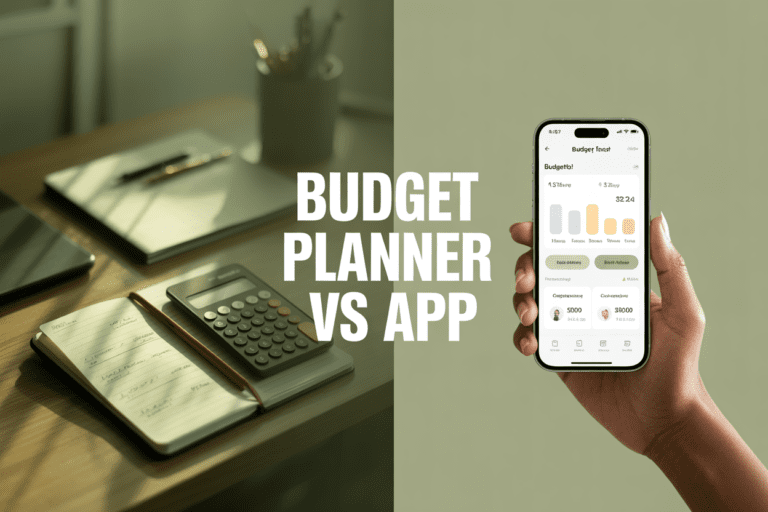
Printable vs digital budgeting: which wins?
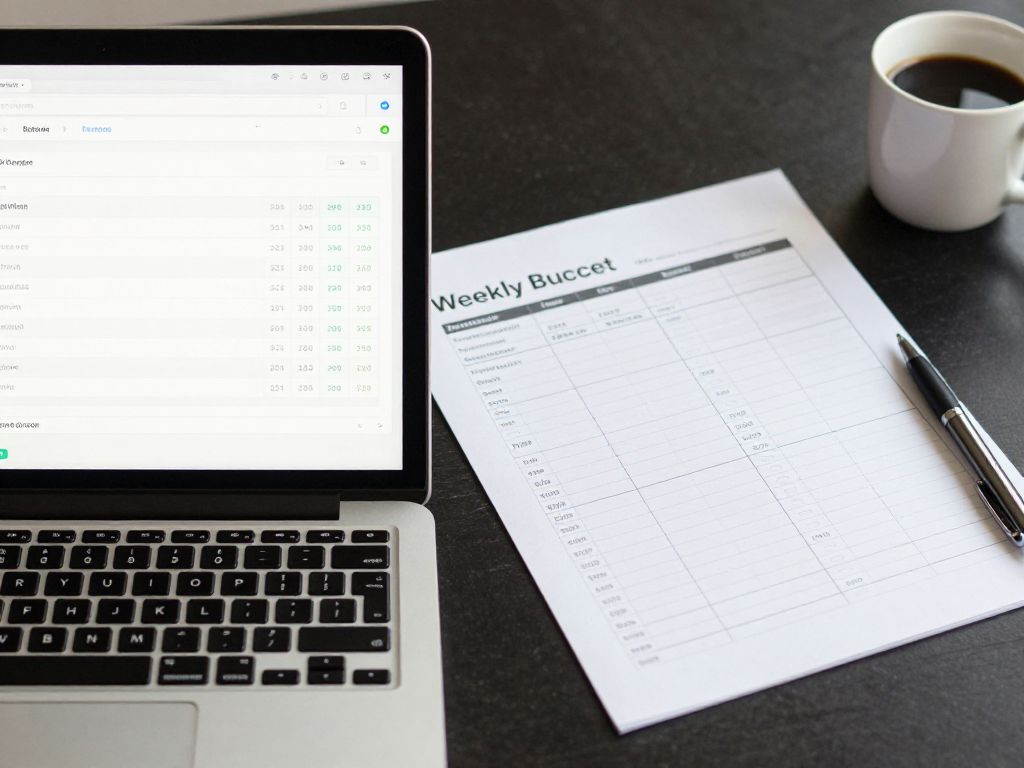
Let’s settle this debate once and for all.
Why printables rock
- You physically write everything
- No distractions from notifications
- You remember spending better
- You feel more connected to your money
Why apps feel tempting
- Automatic tracking
- Graphs and charts
- Easy syncing with bank accounts
But here’s my hot take: apps can make you lazy. You swipe, glance, and forget. With a printable, you slow down and actually think. Ever noticed how handwriting sticks in your brain?
If you like structure and mindfulness, a weekly budget planner printable wins every time.
DIY planner vs downloadable planner
You have two options here, and both work.
DIY planner (make your own)
You grab a notebook, draw boxes, and create your own system. This gives total control but takes time.
Downloadable printable
You find a ready-made template, print, and go. Quick, easy, and usually pretty.
Personally, I started DIY and later switched to printables because, well, I got lazy 🙂.
My favorite weekly layouts
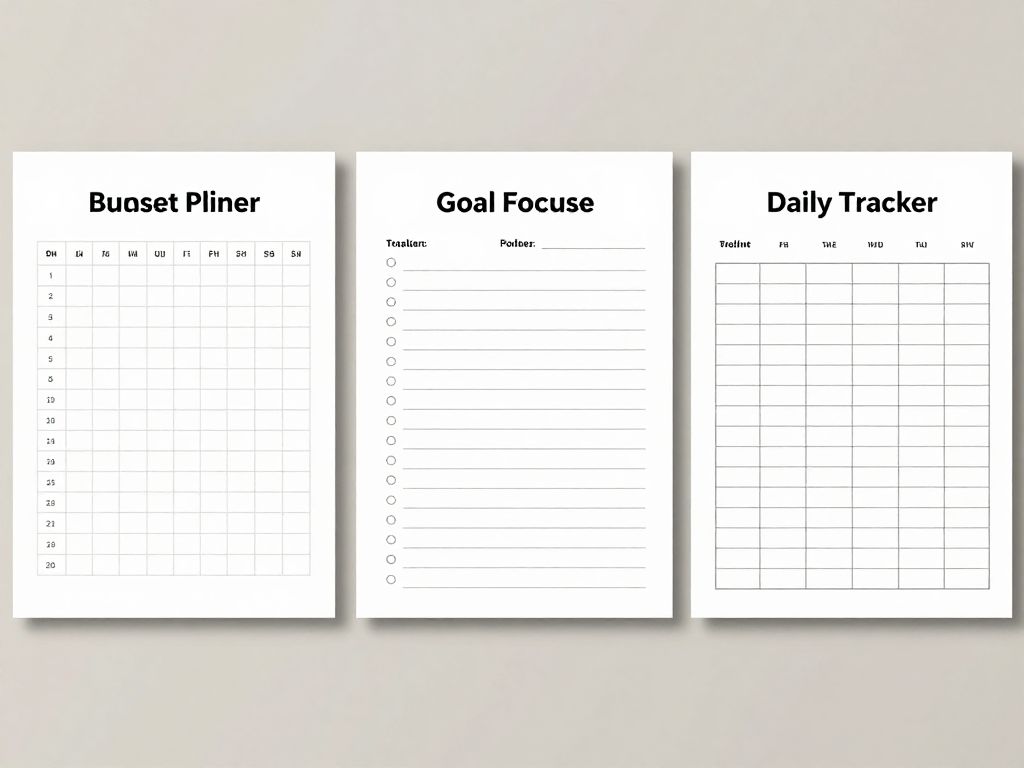
Over the years, I’ve tested a bunch of layouts, and these three work best for most people.
1) Minimal grid style
Clean rows and columns. No fluff, just numbers. Perfect for logical thinkers.
2) Goal-focused planner
This one highlights savings goals at the top. Great if you’re motivated by progress.
3) Detailed tracker
Includes daily spending slots for Monday through Sunday. Ideal for big spenders who need accountability.
Which one would you pick?
Common mistakes to avoid
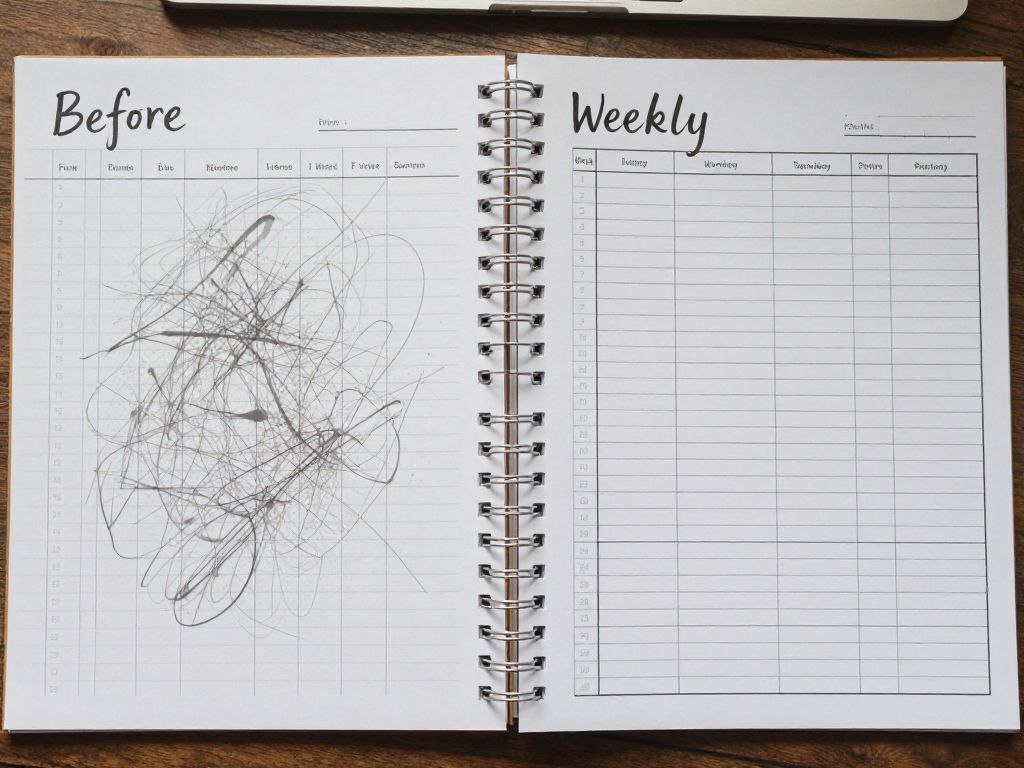
Let me save you some headaches. Here are mistakes I made so you don’t have to.
Overcomplicating things
Don’t create 20 categories. Keep it simple. More detail doesn’t equal better budgeting.
Ignoring small expenses
That $5 coffee adds up fast. Track everything.
Being too strict
If you budget $0 for fun, you’ll fail. Give yourself some spending freedom.
Skipping weeks
Consistency matters. One missed week can snowball into chaos.
Ever tried to restart a budget after skipping it? Not fun.
How to customize your planner
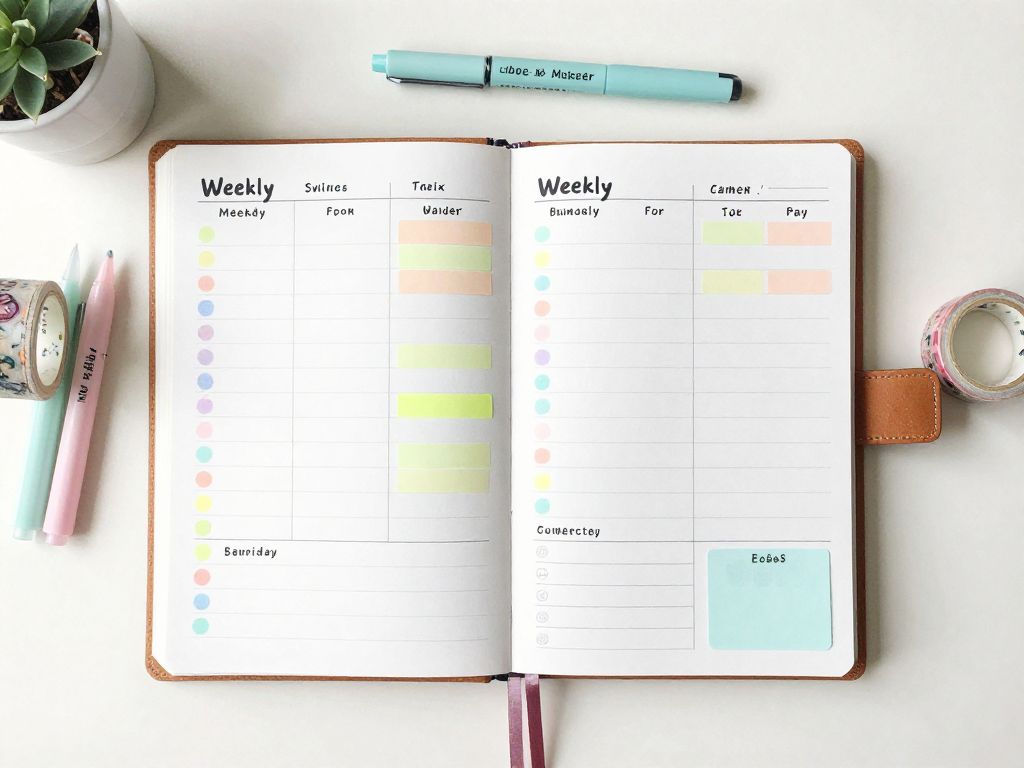
Your budget should match your life, not the other way around.
Change categories
If you don’t cook much, reduce groceries and increase dining out.
Add personal goals
Write things like “Save $100 this week” or “No Amazon spending.”
Color-code sections
Use highlighters to separate needs vs wants. Your brain will love this.
Add motivational quotes
A little “You got this!” goes a long way.
Your planner should feel personal, not boring.
Using your planner with irregular income
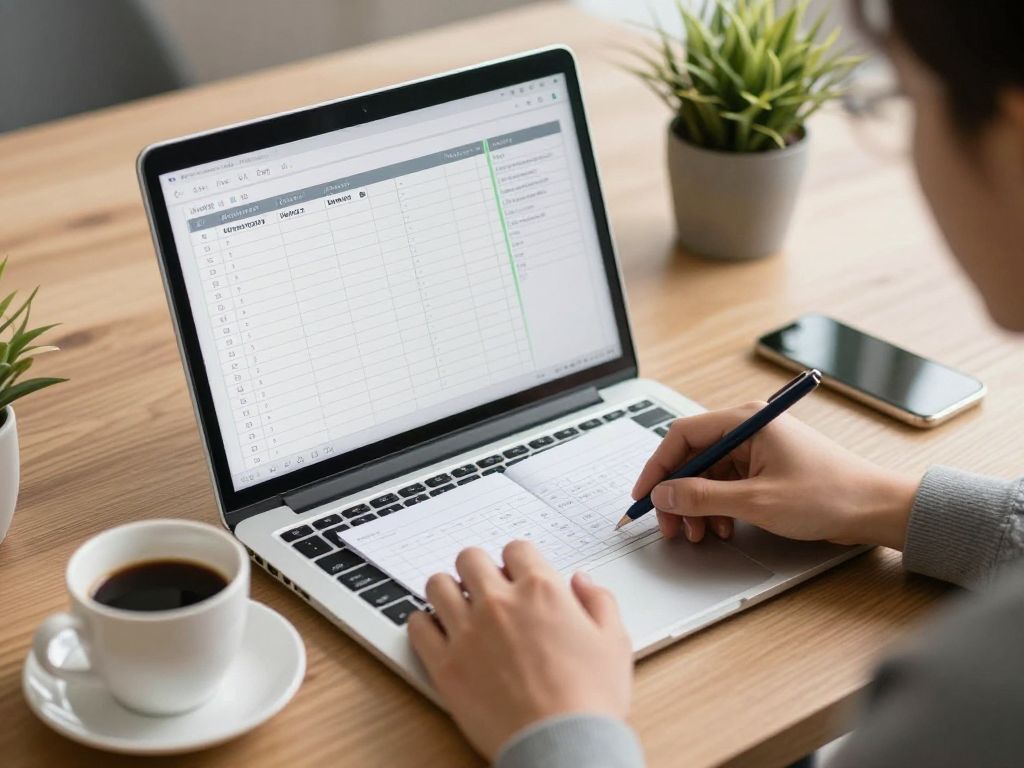
If you freelance, tip, or run a side hustle, weekly budgeting becomes even more powerful.
Instead of guessing your monthly income, you plan based on what you actually earn each week.
Here’s what you should do:
- Estimate a low income baseline
- Budget conservatively
- Save extra when you earn more
- Treat good weeks like gifts, not permission to splurge
Ever noticed how unpredictable income needs more structure, not less?
How to stick with your weekly budget

Let’s be honest. Starting feels easy; staying consistent feels hard. Here’s what helps.
Make it a ritual
Pick a day—Sunday works great—and sit down with coffee and your planner.
Keep it visible
Don’t shove it in a drawer. Place it on your desk or fridge.
Celebrate small wins
Saved $50? High five yourself. Seriously.
Track progress monthly
At the end of four weeks, look back and feel proud.
FYI, consistency beats perfection every single time.
Where to find the best weekly budget planner printable
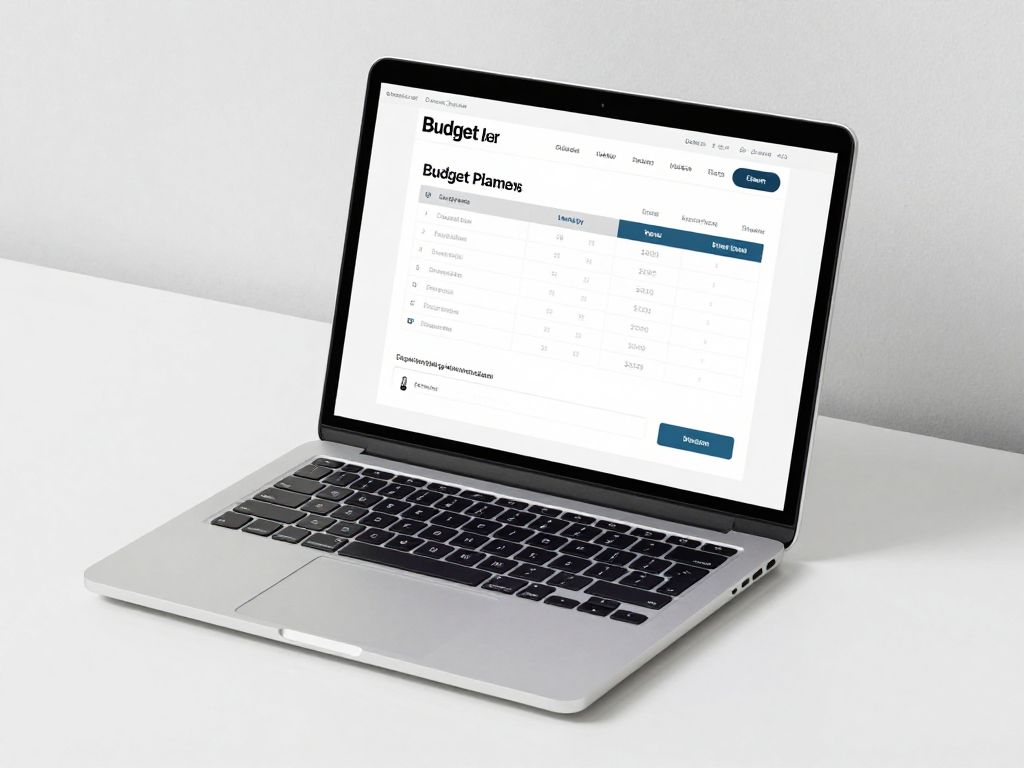
You can find amazing templates in a few places:
- Budget blogs
- Etsy shops
- Pinterest boards
- Free printable websites
Look for clean layouts, readable fonts, and clear categories. Avoid overly decorative designs that waste space.
If you prefer, you can also design your own in Canva and print it instantly.
How this planner changes your money mindset
Here’s the part people don’t talk about enough. A weekly budget planner printable doesn’t just track money—it changes how you think about it.
You stop seeing money as stressful and start seeing it as manageable. You move from “I’m broke” to “I’m planning.” That shift is powerful.
Instead of reacting to bills, you plan for them. Instead of guilt spending, you spend intentionally. Ever felt that kind of control before? It’s addicting.
Conclusion: your money, your control
A weekly budget planner printable gives you clarity, confidence, and control over your dollars. It simplifies budgeting, builds consistency, and helps you reach real financial goals. Whether you save for an emergency fund, pay off debt, or plan a trip, this simple tool can get you there.
If you’ve been avoiding budgeting because it feels overwhelming, start here. Print one sheet, grab a pen, and try it for one week. Worst case, you learn something about your spending. Best case, you transform your finances 📒.
So tell me—will you try weekly budgeting this Sunday? Your wallet might just smile.