
Simple Weekly Budget Plan for Beginners
I’m guessing you want results, not lecture notes. So let’s cut to the chase: a simple plan that actually sticks. Budgeting doesn’t have to be scary or boring. It can be a quick weekly ritual that frees you up to do the things you love (and maybe buy the snack you’re craving without guilt). Let’s get you from “where did my money go this week?” to “I own my money, and it’s not owning me.”
What a simple weekly budget plan even looks like
Here’s the blunt version: you track what you earn, what you spend in key categories, and you set tiny targets that you can actually hit. No complicated formulas, no financial wizardry. Just a little structure, a few quick checks, and a sense of control by Sunday night.
– Do a quick two-minute check-in every Friday or Sunday.
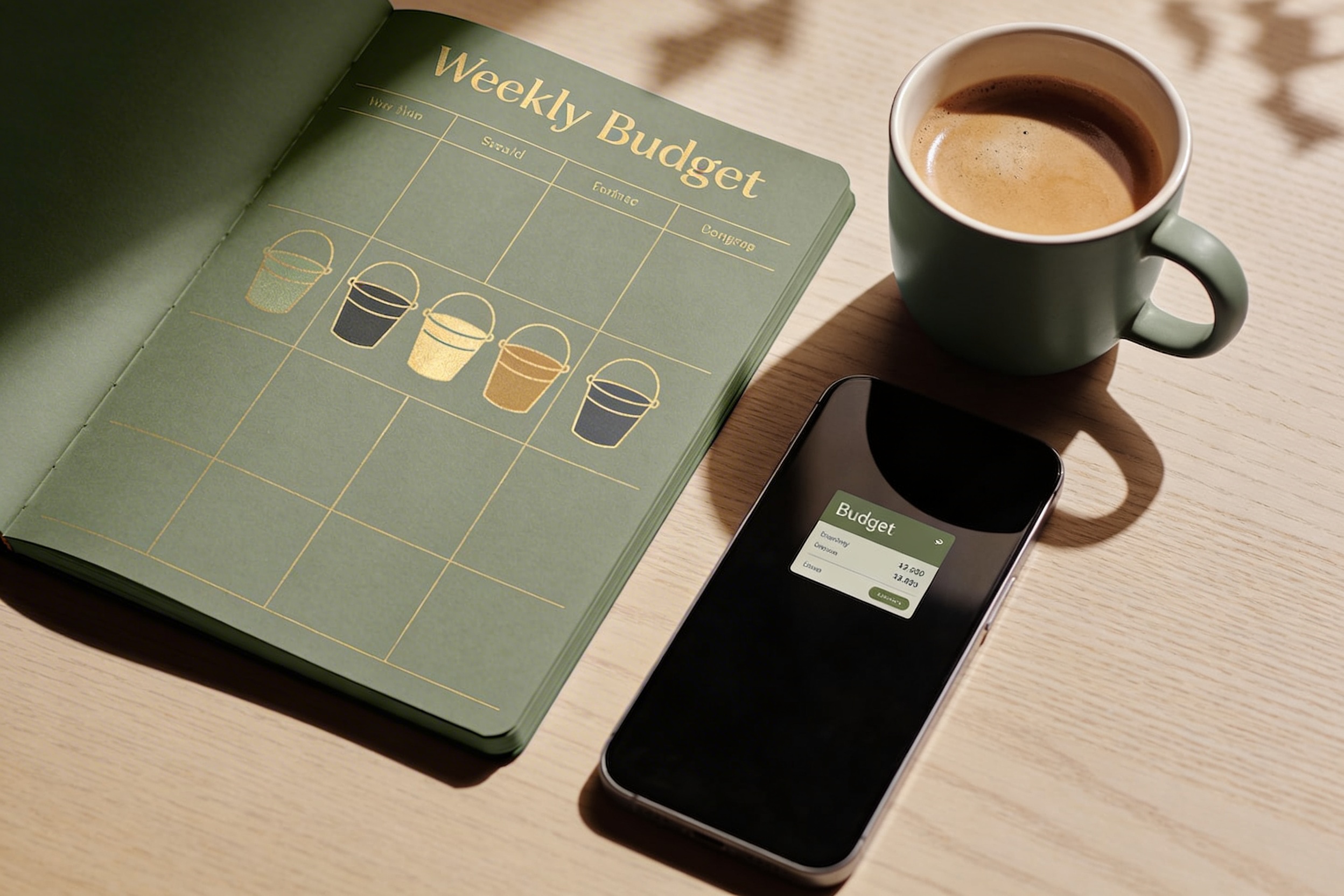
– Split money into 3–5 buckets that actually matter to you.
– Adjust a notch based on what happened last week.
That’s it. The rest is just filling in the blanks with your actual numbers. FYI, you won’t nail it the first week—and that’s totally normal. Think of budgeting like learning to ride a bike: wobbly at first, then smooth with practice.
Choose your 3-5 budget buckets
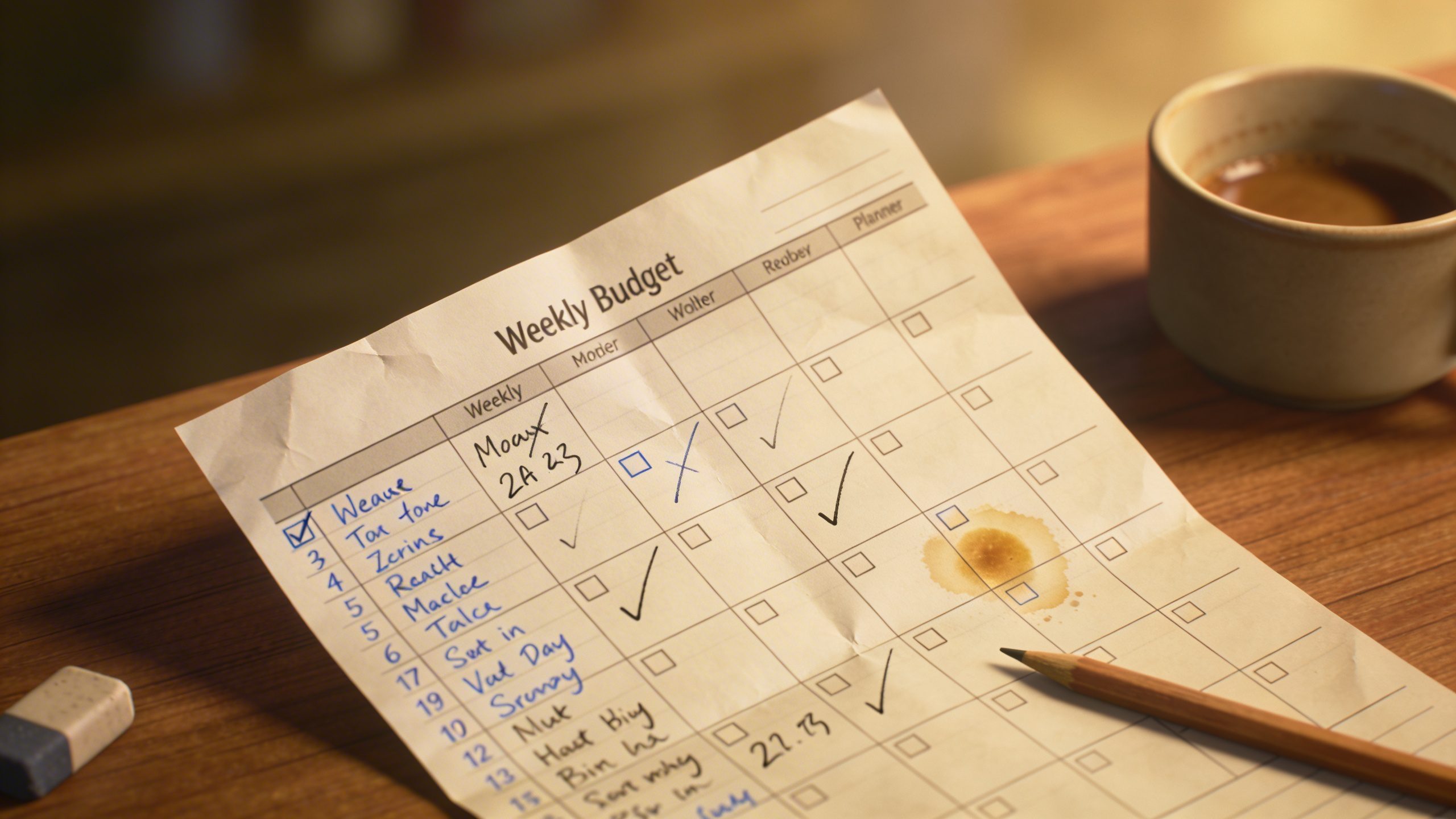
The goal is simplicity. Pick categories that reflect your real life and keep the list short enough to manage without losing your mind.
– Essentials: rent or mortgage, utilities, groceries, transportation.
– Habits and fun: dining out, streaming, hobbies, tiny splurges.
– Goals: savings, debt snowball, emergency fund, sinking funds for big purchases.
– Irregulars (optional): gifts, car maintenance, medical expenses, annual subscriptions.
Pro tip: name each bucket like a tiny label you can glance at and understand instantly. If you have to re-read a category to know what it means, simplify it.
- Calculate monthly income in total (salary, side gigs, passive stuff).
- Estimate weekly allowance for each bucket, based on reality.
- Leave a small “misc” cushion for those “oops” moments.
Track your week in 10 minutes
Short, sweet, not scary. The goal is to capture reality, not pretend it’s perfect. Here’s a quick method:
– Friday or Sunday: pull up your bank/app statements for the last 7 days.
– Mark each expense into one of your buckets.
– Compare actuals to plan and ask: where did I over/underfund?
If you’re feeling overwhelmed, start with groceries and coffee. They sneakily eat more budget than you’d expect. The beauty of a weekly rhythm is you can course-correct early, not after a big monthly bill.
Adjust in small, doable steps

You don’t need a dramatic budget overhaul. Small tweaks beat big promises.
– If you overspent on dining out this week, cut one lunch out next week.
– If you saved a bit extra, redirect it to debt or savings automatically.
– If you’re behind on savings, trim a less meaningful area by a few dollars and move the rest to your goal.
Ask yourself: what’s one tiny change I can actually commit to this week? The answer should feel easy, not painful or scary.
Turn budgeting into a habit, not a chore
Consistency wins here. Make budgeting a natural, quick ritual rather than a dreaded monthly obligation.
– Pick a fixed day and time for your weekly check-in.
– Use a simple template so you don’t reinvent the wheel every week.
– Celebrate small wins: crossing off a category under budget feels great, not dull.
If you like, reward yourself with a tiny treat when you stick to plan for a month. It doesn’t have to be big—just something that reinforces the behavior.
Dealing with debt without losing your mind
Debt is the elephant in the room that can derail a budget if you let it. But the plan is simple: attack it with consistency.
– List all debts with interest rates and minimum payments.
– Pick a strategy: debt avalanche (highest interest first) or debt snowball (smallest balance first). Both work; pick what motivates you.
– Add a monthly debt payment to your budget and automate it if you can.
Confession: I’m biased toward the avalanche method because it saves you money faster. IMO, quick wins aren’t cheating—they’re motivation.
Hiring a weekly budget buddy (optional, but fun)
Buddy systems work. Here’s how to do it without turning budgeting into a soap opera.
– Pair up with a friend or family member who also wants to get their money together.
– Meet for 15 minutes each week or text quick updates.
– Share tips, celebrate wins, and be honest about slip-ups.
If you’d rather not share numbers, set up a joint goal instead: save a certain amount by a date, or reach a spending limit for a category. Accountability helps, and it’s more fun than silent struggle.
Tools that actually help (without overwhelming you)
You don’t need a fancy app to budget well. Start with what you’ll actually use consistently.
– Simple spreadsheet: a one-page monthly budget with 3–5 columns (budget, actual, difference) is perfect to start.
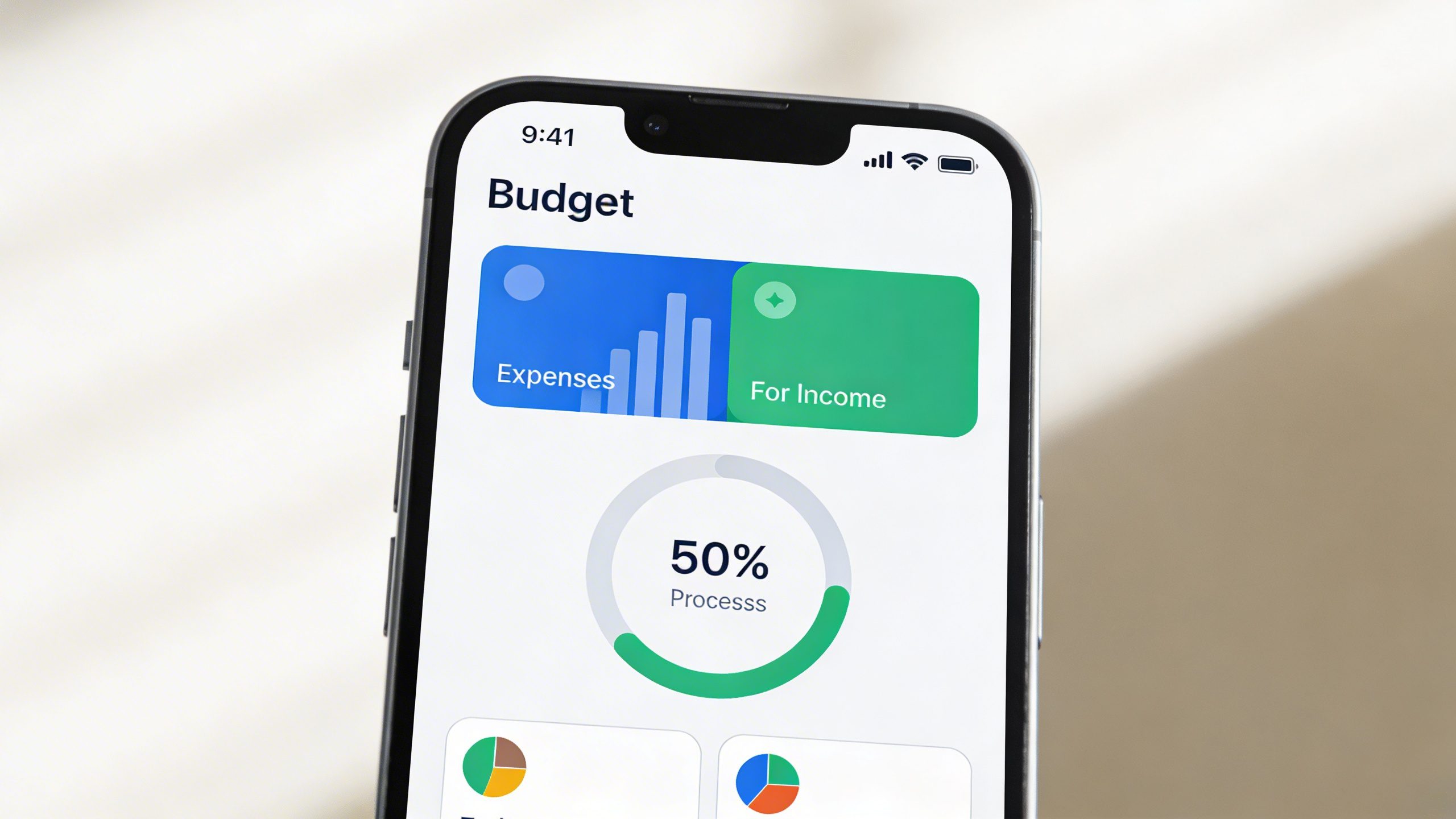
– Notable apps: choose ones that sync with your bank, but keep it lean—no endless dashboards.
– Auto-categorization is nice, but review weekly to avoid misclassifications.
FYI, the main goal is visibility, not complexity. If a tool becomes a barrier, ditch it.
Common mistakes (and how to dodge them)
We all trip up, so here are easy fixes for the typical budgeting blunders.
– Too restrictive right away: you’ll burn out. Start with 3–4 buckets and expand gradually.
– Neglecting irregular expenses: annual memberships, car maintenance, and birthdays sneak up. Proactively plan for them.
– Ignoring personal values: if a category makes you miserable, reframe it or adjust its limit. Budgeting should feel supportive, not punitive.
– Not updating your plan after life changes: new job, move, or a shift in priorities? Revisit your numbers within a week or two.
FAQ
Is a weekly budget slow or fast to implement?
A weekly budget is fast to implement and faster to sustain. You’ll likely get a decent sense of your numbers in 1–2 weeks. After that, it runs on autopilot with a 10-minute weekly checksum.
What if I don’t have much to budget yet?
Start small. Pick 2–3 buckets that matter most (groceries, coffee, savings). Budget a little in each, and track what you actually spend. You’ll be surprised how quickly you gain control, even on a tight income.
How do I handle variable income or irregular weeks?
Treat your average monthly income as the baseline and adjust weekly. If you earn more in a given week, allocate the excess to savings or debt. If you earn less, lean on the cushion you built and cut back in flexible categories.
How strict should I be with myself?
Be consistent, not perfect. If you slip, acknowledge it, learn, and reset. The goal is to build a sustainable habit, not a perfection contest that drains you.
Is it okay to overspend a little in one category?
Yes, as long as you can compensate in another category or in the following week. The key is visibility and quick adjustment, not guilt trips.
Conclusion
Here’s the bottom line: you don’t need a complicated system to take back your money. A simple weekly budget plan—3–5 buckets, a quick Friday or Sunday check-in, and small, repeatable tweaks—will transform how you think about spending. It’s less about policing every penny and more about creating freedom to spend on what genuinely matters to you. So give it a try this week: pick your buckets, set a tiny goal, and celebrate the win when Friday arrives. You’ve got this. FYI, the first week may feel awkward, but you’ll feel in control by week two. Start today and own your finances like a boss.