
How to Track Debt Payoff Progress (Simple & Motivating)
Paying off debt feels like running a marathon with no finish line in sight—until you start tracking your progress. Suddenly, that mountain of debt shrinks into manageable milestones, and you can actually *see* the light at the end of the tunnel. But here’s the kicker: most people track debt payoff like they’re scribbling grocery lists on napkins. Let’s fix that.
Why Tracking Debt Progress Matters (Besides the Obvious)

You wouldn’t drive cross-country without GPS, so why tackle debt blindfolded? Tracking does three magical things:
- Motivates you: Watching numbers drop is oddly satisfying—like popping bubble wrap, but for your wallet.
- Keeps you honest: No more “I’ll pay extra next month” lies. The numbers don’t lie.
- Helps you adjust: Spotting slow progress early lets you pivot before your budget implodes.
FYI, if you’re still using a mental tally or a crumpled receipt to track debt, we need to talk.
The Debt Tracking Method That Actually Works

Forget spreadsheets that look like NASA launch codes. Here’s the simplest way to track debt payoff without losing your mind:
Step 1: List All Debts Like You’re Snitching on Them
Grab every loan, credit card, and IOU from your shady cousin Larry. Write down:
- Total balance
- Interest rate (the villain in this story)
- Minimum payment
Step 2: Pick Your Payoff Strategy
Two popular options:
- Avalanche method: Attack the highest-interest debt first. Saves the most money, but progress feels slower.
- Snowball method: Pay off the smallest balance first for quick wins. Less math, more dopamine.
Pro tip: Choose the one you’ll actually stick with. Perfect plans fail if they’re boring.
Tools to Make Tracking Stupidly Easy
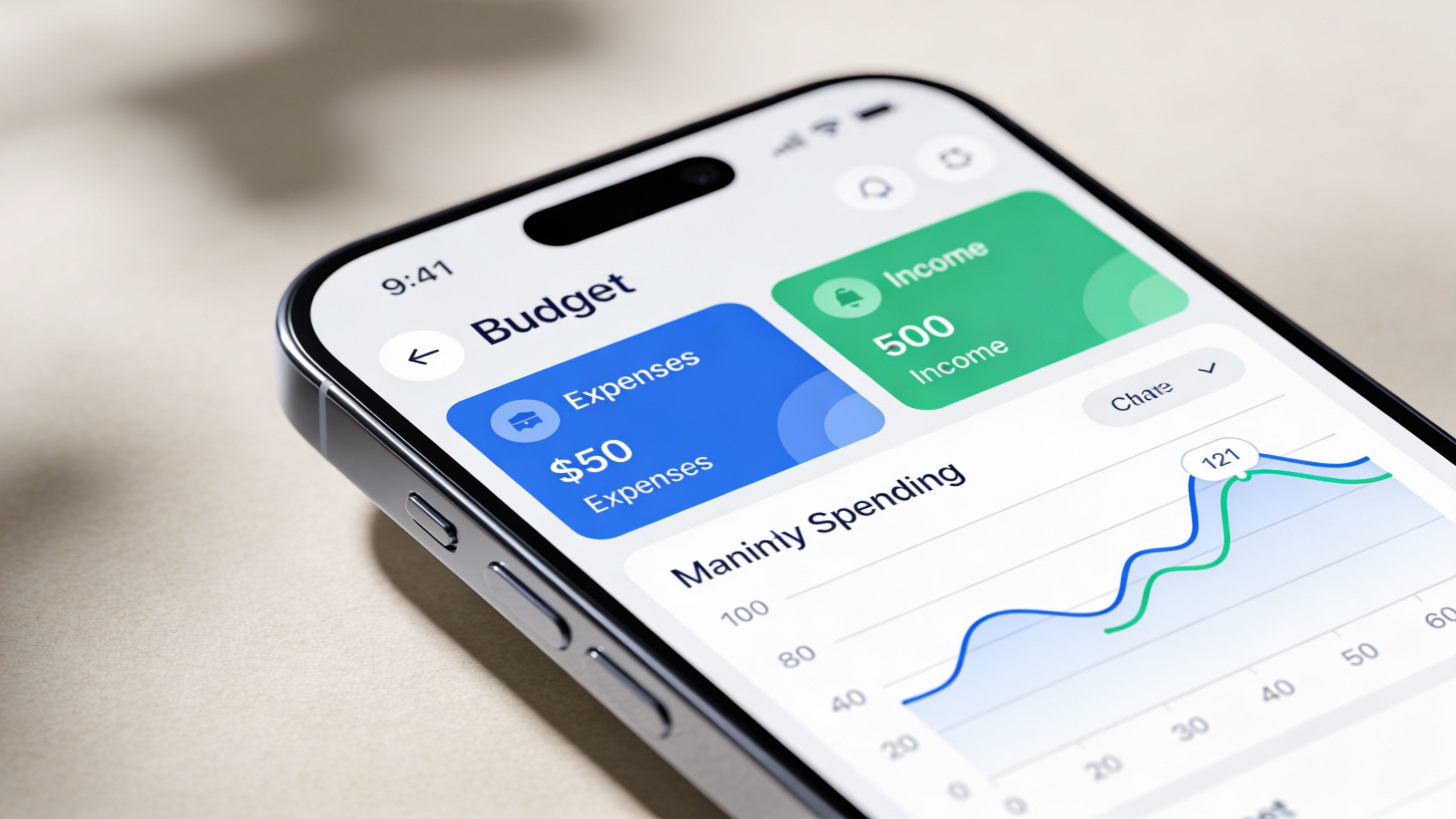
You’ve got options, from analog to techy:
Old-School: Pen and Paper (Or a Pretty Notebook)
Pros: No app notifications. Cons: You’ll lose the notebook.
Spreadsheet Nerds Rejoice: Google Sheets or Excel
Templates exist for lazy folks (no judgment). Bonus: Add charts to watch your debt nosedive.
Apps That Do the Work for You
Try Undebt.it (free) or YNAB (paid but worth it). They’ll calculate payoff dates and cheer you on.
How Often Should You Check Your Progress?

Weekly? Monthly? Here’s the deal:
- Too often: You’ll obsess. Debt isn’t a TikTok feed.
- Too rarely: You’ll forget the plan exists.
IMO, check every payday. Update balances, celebrate wins, and move on.
Celebrate Small Wins (Yes, Really)
Paid off a credit card? Treat yourself to a fancy coffee—not a shopping spree. Progress deserves rewards that won’t derail you.
Non-Bankruptcy-Inducing Celebration Ideas:
- Takeout from your favorite spot (budgeted, of course)
- A guilt-free lazy Sunday
- Texting a friend to brag (permission granted)
FAQ: Debt Tracking for the Overwhelmed
Should I track debt if it stresses me out?
Yes, but gently. Ignoring debt won’t make it vanish—ask anyone who’s ever ignored a parking ticket. Start with monthly check-ins and scale up.
What if my debt isn’t shrinking fast enough?
First, breathe. Then, reassess: Can you cut spending elsewhere? Negotiate lower interest rates? Side hustle? Small tweaks add up.
Is it worth tracking if I only have one loan?
Absolutely. One loan can still haunt you for years. Track it so you know exactly when freedom arrives.
How do I stay motivated when progress is slow?
Visual aids help. Tape a debt-free countdown calendar to your fridge. Or tape it to your cat. Whatever works.
Can I trust debt payoff calculators?
Mostly, yes. Just double-check the math—some calculators assume you’re a robot who never buys emergency pizza.
What’s the biggest tracking mistake?
Forgetting to update balances. If you’re still logging payments from 2019, we have a problem.
Go Forth and Conquer Your Debt
Tracking debt payoff isn’t glamorous, but neither is eating ramen for the third night in a row. The difference? One leads to financial freedom; the other leads to… more ramen. Pick your tools, check in regularly, and celebrate the wins. You’ve got this. (And if you don’t, blame cousin Larry.)